Allies, rivals and invaders, from the Samnites to the Arabs.
Peoples, allies and opponents 93
Aedui
Late Republic · Central Gaul
Long-standing Roman partners whose internal politics and rivalry with the Arverni and Sequani shaped Caesar's intervention; factions and allegiance shifted during the conquest.
Republic, especially 3rd-2nd centuries BCE · Greece
Distinct Greek federations alternated between Roman partnership and resistance; defeat and intervention transformed their autonomy without ending Greek civic institutions.
Red Sea kingdom engaged in trade, Christian kingship and Arabian intervention; its contacts with Rome included diplomacy and commerce rather than Roman provincial subordination.
Third century CE onward · Upper Rhine and southwest Germany
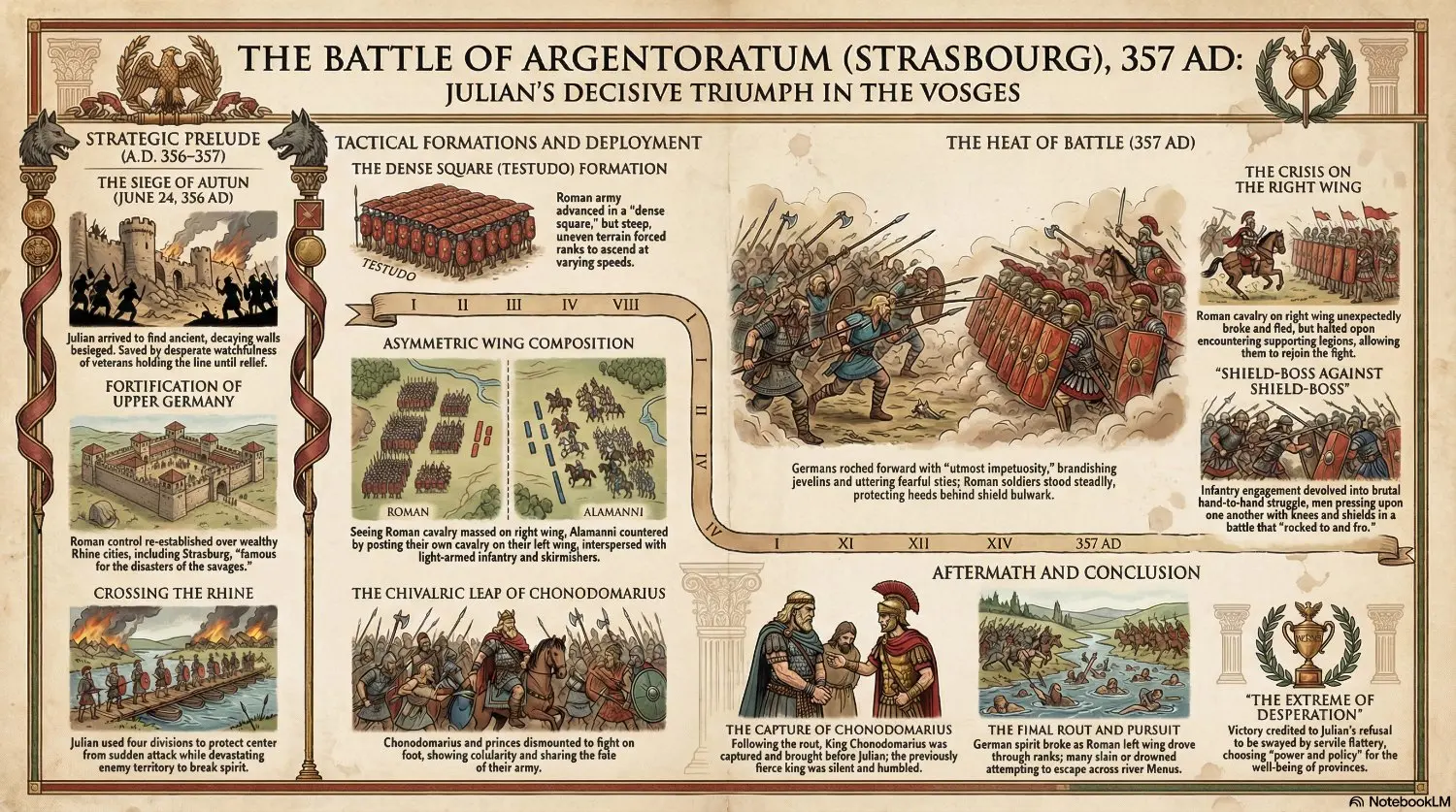
A changing confederation central to Roman frontier warfare, notably Strasbourg 357 CE; Roman defeats and treaties did not create an unchanging political bloc.
Fourth-fifth centuries CE and later · Steppe Gaul Iberia and Africa
Iranian-speaking groups with diverse trajectories: some served Rome, others joined Vandals and other migrating coalitions, while communities remained in the Caucasus.
Kingdoms and noble houses navigated Roman and Iranian intervention; Armenia was often a contested partner rather than simply a Roman province or Persian possession.
Powerful people of the Auvergne; Vercingetorix led a broad coalition against Caesar 52 BCE. Their subsequent civitas retained regional significance under Roman rule.
Sixth-eighth centuries CE · Middle Danube and Balkans
Steppe-centered khaganate employing mixed populations and pressuring eastern Roman frontiers; allied with Persia during the siege of Constantinople 626 CE.
Privileged Roman military recruiting community that revolted under Julius Civilis 69-70 CE; their history demonstrates that service and rebellion could involve the same networks.
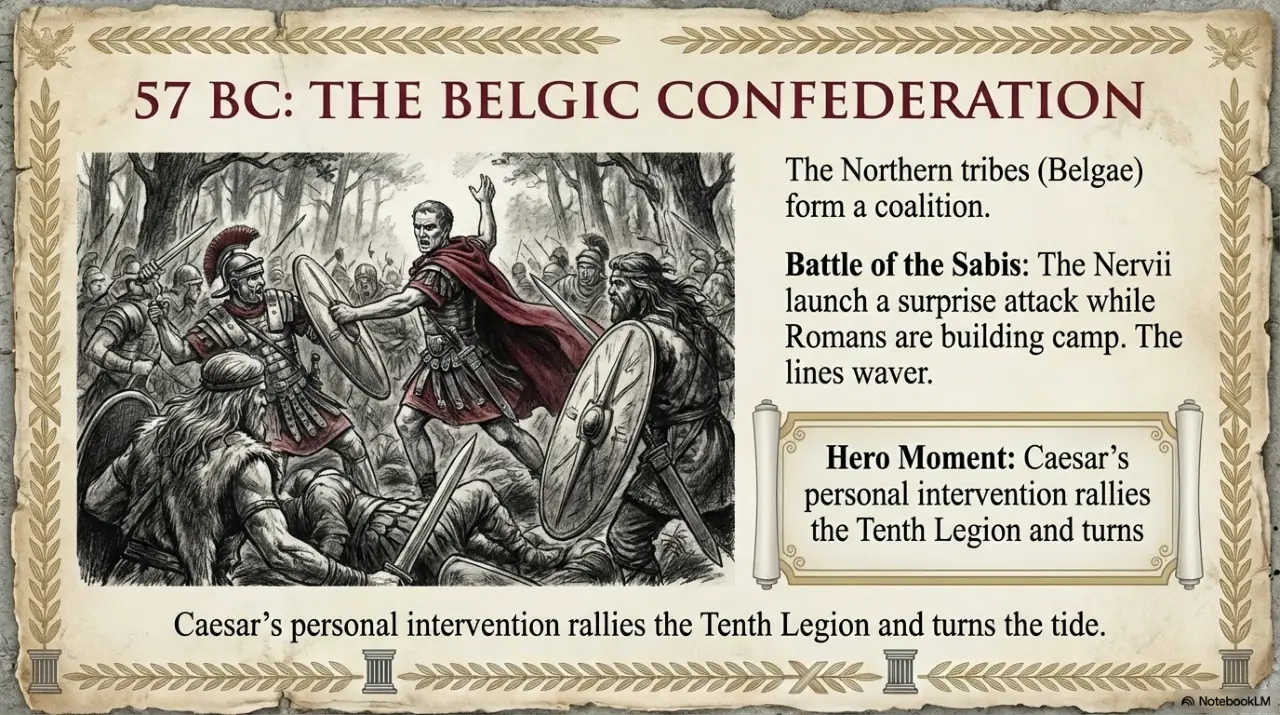
Caesar's collective name for northern peoples, including Nervii and others; the later province of Belgica had a related but distinct administrative scope.
Distinct groups and political formations involved in raids, treaties and frontier settlement south of Egypt; religious and diplomatic transitions differed by community.
Late Republic and Empire · Crimea and Taman peninsula
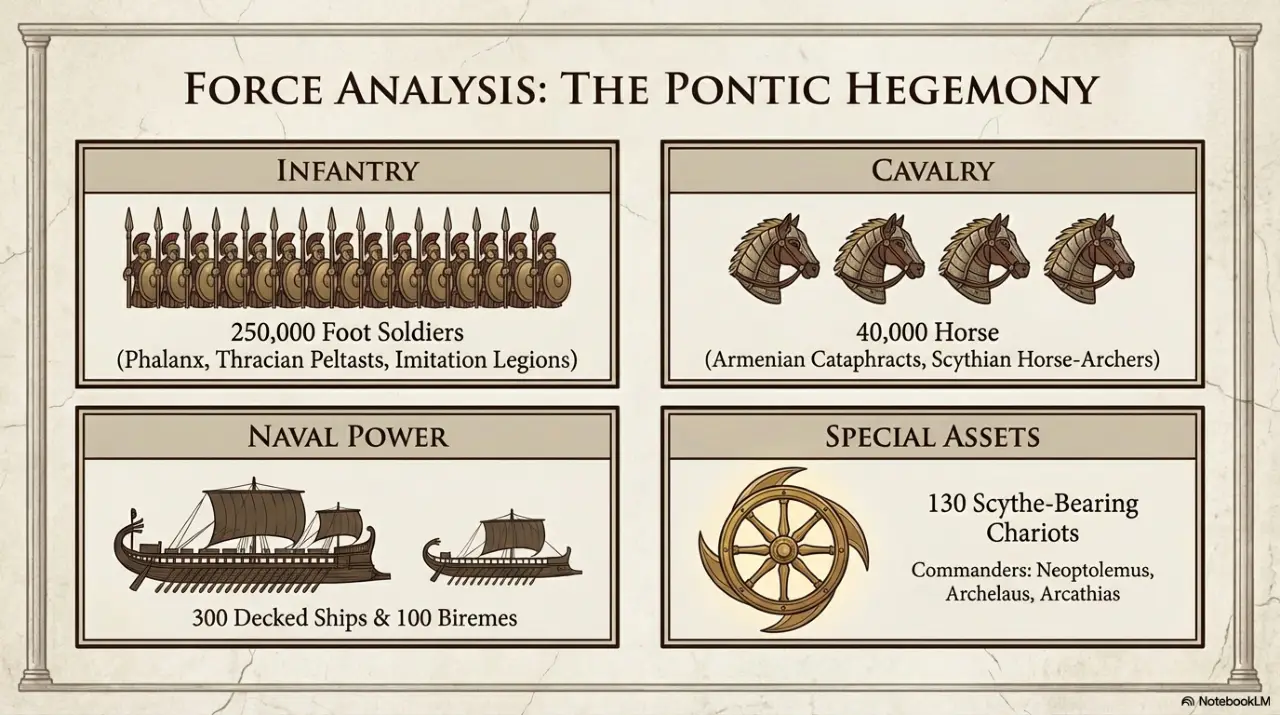
Black Sea client monarchy connected to Pontic grain, dynastic politics and Roman patronage; Roman recognition did not mean routine direct provincial government.
Large northern British grouping divided by rival rulers, including pro-Roman Cartimandua and resisting Venutius; Roman conquest followed shifting internal and external alliances.
An umbrella term for varied island communities and kingdoms, encountered by Caesar and later conquered in part under Claudius; local identities and institutions remained important.
Fifth-sixth centuries CE · Rhine and southeastern Gaul
Groups devastated near the Rhine and resettled in Sapaudia developed a kingdom integrated into Frankish expansion; federate service formed part of their history.
Roman name for northern groups beyond permanent provincial control, including opponents in Agricola's campaigns; geography and political coalitions should not be treated as static.
Communities around Capua and other wealthy centers entered differing relationships with Rome; Capua's Hannibalic alliance ended in severe Roman punishment 211 BCE.
Late Republic and Augustan Empire · Northern Iberia
Northern peoples subjected during Augustus' protracted wars 29-19 BCE, with later military recruitment and mining economies; provincial integration followed continuing coercion and accommodation.
Republic, especially 264-146 BCE · North Africa and western Mediterranean
Punic imperial power and commercial network, at times treaty partner before the three Punic wars; Rome destroyed Carthage 146 BCE, while Punic language and practices continued.
Late Republic and 1st century CE · Southeastern Britain
Neighboring political communities central to Caesar's contacts and Claudian conquest; dynastic power and relations with Rome changed before annexation.
Kingdom in the Caucasus, distinct from Iberian Spain, whose rulers negotiated with Rome and Iranian powers; religion and strategic passes shaped those relations.
Republic, especially 2nd century BCE · Central and northeastern Iberia
Communities combining Celtic-language and Iberian cultural contexts, including the Arevaci; Numantia became famous for prolonged resistance and destruction 133 BCE.
Republic and late antiquity · Eastern Black Sea and western Georgia
Colchis and later Lazica occupied a strategic coast between Roman and Iranian spheres; the Lazic War reflects local royal decisions as well as imperial rivalry.
Republic and Empire · Lower Danube and Carpathians
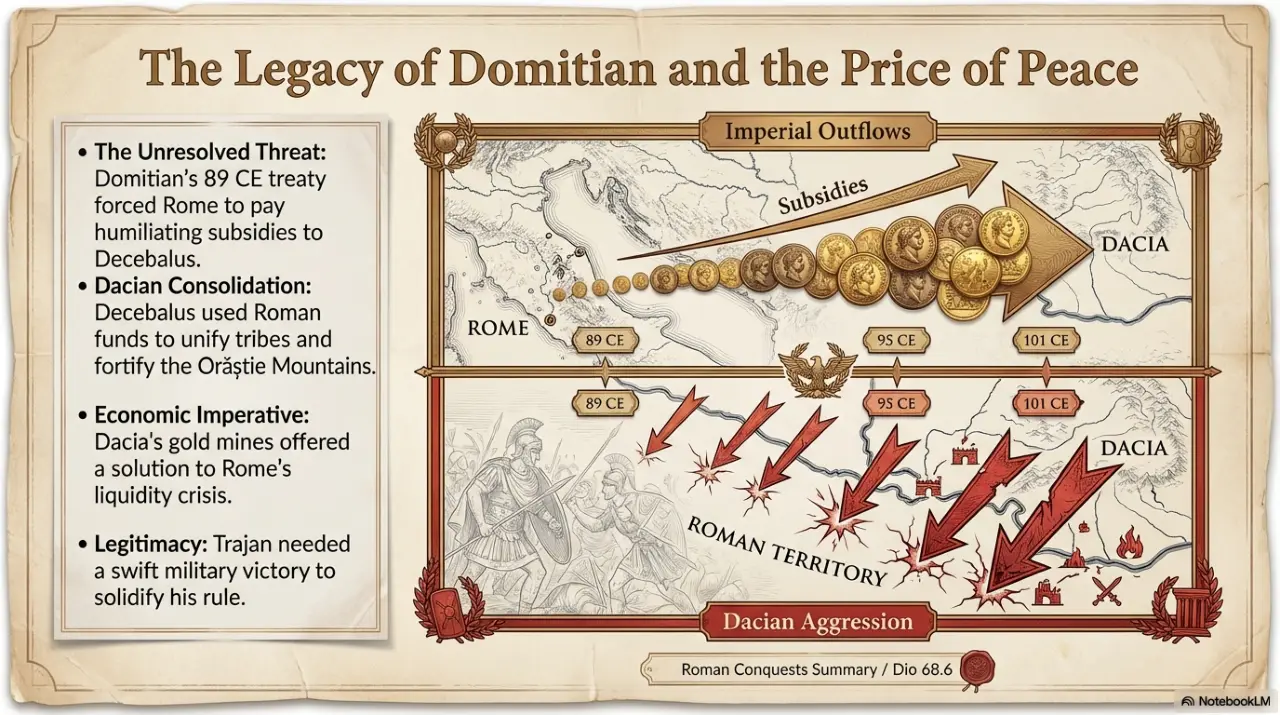
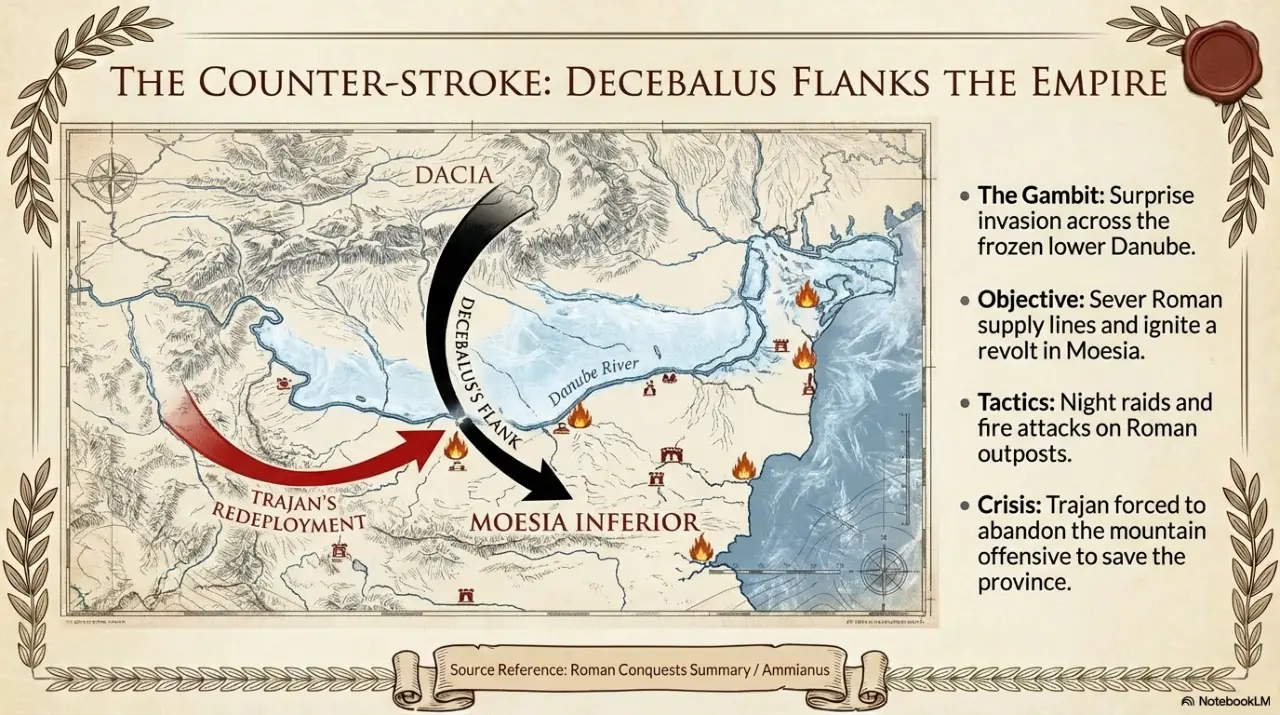
Related but variably used ancient names; kingdoms under Burebista and Decebalus challenged Roman power. Trajan conquered part of this wider world in 106 CE.
Early Rome to late Republic · Etruria and northern/central Italy
Urban communities with their own language, religious expertise and political histories; Rome fought and incorporated different Etruscan cities rather than conquering one unified nation.
Third century CE onward · Lower Rhine and northern Gaul
Confederated groups became raiders, soldiers, settlers and regional rulers. Frankish military service within Roman politics preceded post-imperial Merovingian kingship.
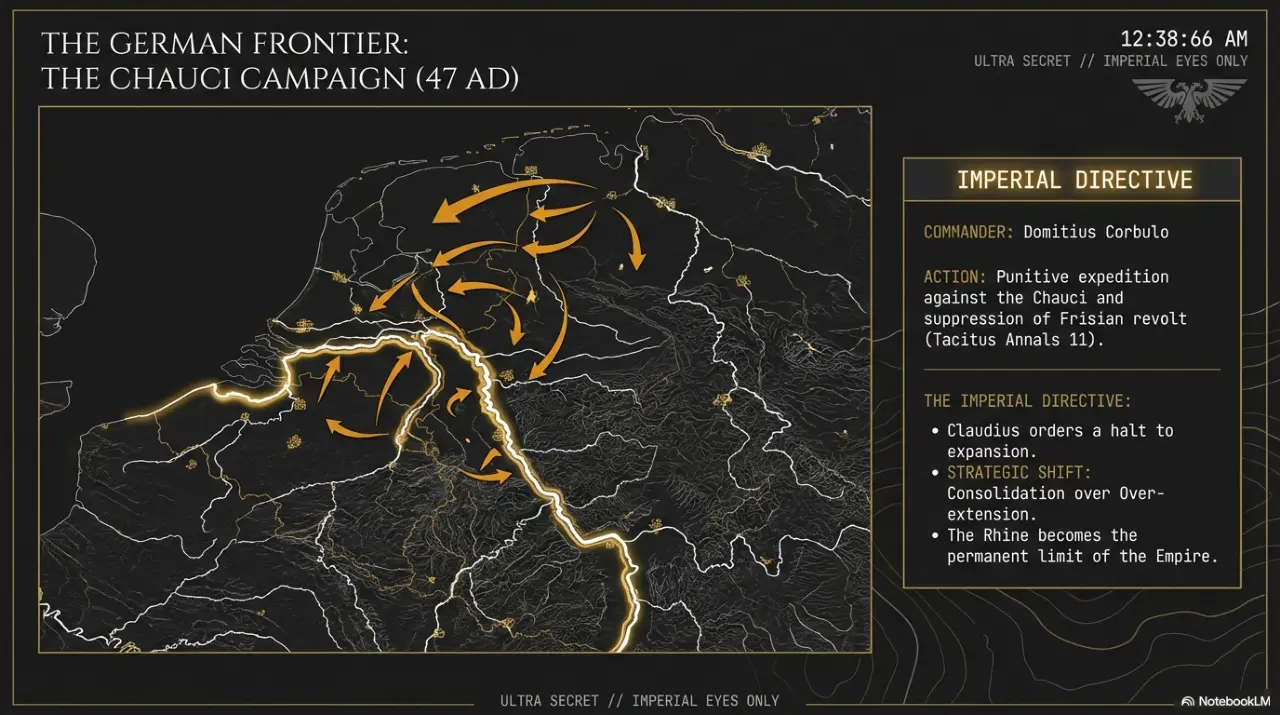
Distinct coastal groups involved in Roman tribute, recruitment, naval operations and conflict; tidal landscapes shaped both imperial campaigns and local livelihoods.
Roman label for diverse groups south of the main coastal settlements, appearing as cavalry, allies and opponents; it does not denote one continuous state.
Saharan kingdom with irrigated settlements and trans-desert exchange, involved in diplomacy and conflict with Roman Africa; desert geography did not mean political isolation.
Broad ancient labels for diverse communities, languages and political forms. Caesar's conquest created Roman provincial government, not an instantaneous uniform cultural identity.
Republic to late Empire · Central and northern Europe
A linguistic and ancient ethnographic grouping encompassing numerous changing societies. Roman usage did not identify one state or a uniform permanent enemy.
Principally 6th century CE · Syrian and Arabian frontier
Arab ruling coalition allied with eastern Rome, important in warfare and Christian patronage; the labels Ghassanid and Jafnid do not describe every Arab allied group.
Third century CE onward · Black Sea Balkans and western kingdoms
Changing group identities and coalitions connected raids, Roman service, migration and successor states; later Visigoth/Ostrogoth labels should not be projected unchanged into every earlier episode.
Independent or dependent poleis such as Tarentum and Syracuse alternated between alliance, resistance and incorporation; Greek civic and cultural life survived Roman conquest.
58 BCE and imperial period · Swiss plateau and Gaul
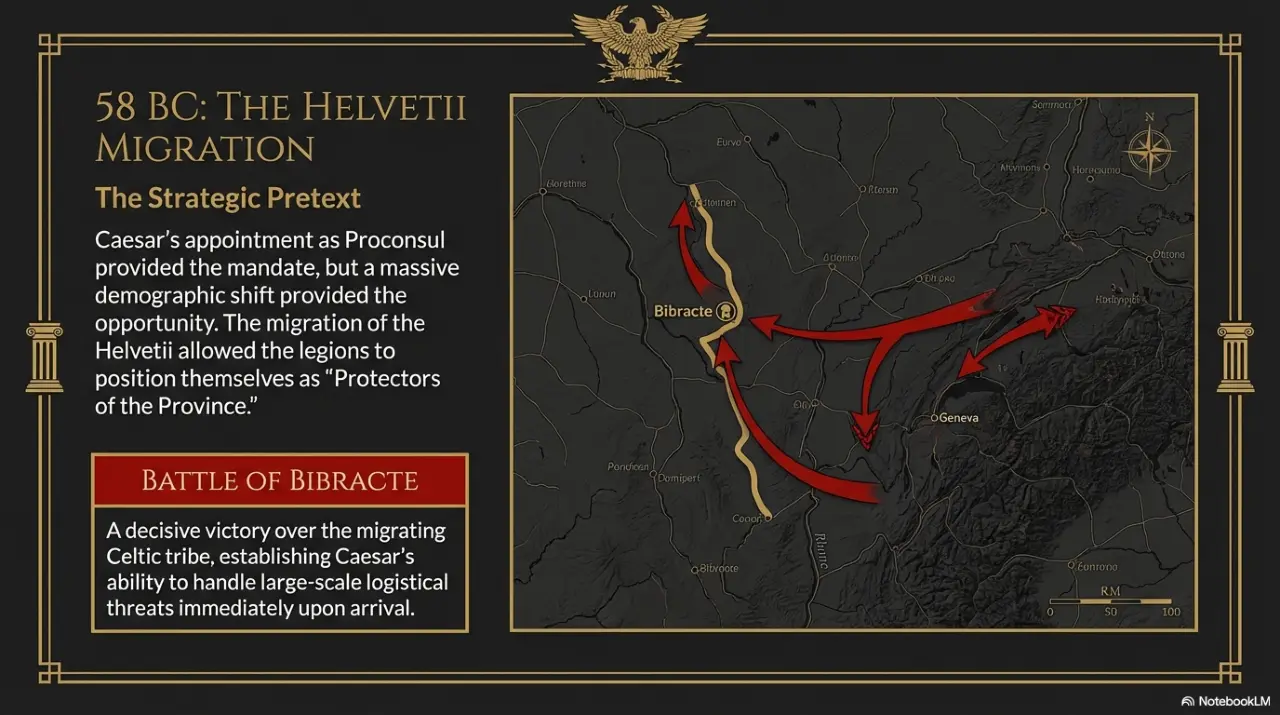
Their migration prompted Caesar's opening Gallic campaign and defeat near Bibracte; survivors were returned to their homeland, later integrated into imperial provincial structures.
Distinct groups active as soldiers and regional rulers after Hunnic collapse; Odoacer's coalition and eastern Roman service involved varied identities.
Arabian kingdom with complex Jewish, Christian and other religious histories; Aksumite and Sasanian interventions connected it to wider imperial rivalry.
Late 4th-fifth centuries CE · Pontic and Danubian steppe
A mobile imperial coalition incorporating many peoples; Attila negotiated tribute and fought both eastern and western Roman powers before the coalition fragmented.
First-fourth centuries CE · Plain east of middle Danube
Sarmatian groups important in the Marcomannic wars and later frontier settlements; some cavalry were transferred into Roman service in Britain after peace terms.
Regional cultural and linguistic groupings rather than one kingdom; Rome absorbed varied city networks, agricultural districts and mining zones through conquest and negotiation.
Roman and Greek umbrella labels encompassed distinct communities; Dalmatae were one important group, while later Illyricum was an administrative and military designation.
Republic and Empire · Levant and Mediterranean diaspora
Diverse communities connected by religion and institutions, with differing civic and political circumstances; revolt, diaspora life and imperial service cannot be reduced to one permanent allegiance.
Late antiquity to 602 CE · Lower Mesopotamia and Arabian frontier
Arab dynasty centered on al-Hira, generally connected to Sasanian patronage; its destruction changed frontier arrangements before the great seventh-century wars.
Republic, especially 5th-1st centuries BCE · Latium and Italy
Communities sharing political and linguistic ties with Rome; defeated in the Latin War 338 BCE, they received varied statuses before later expansion of citizenship.
Southern Italian peoples whose relations with Greek cities and Rome shifted through the Pyrrhic and Punic wars; communities faced confiscation and changing legal status.
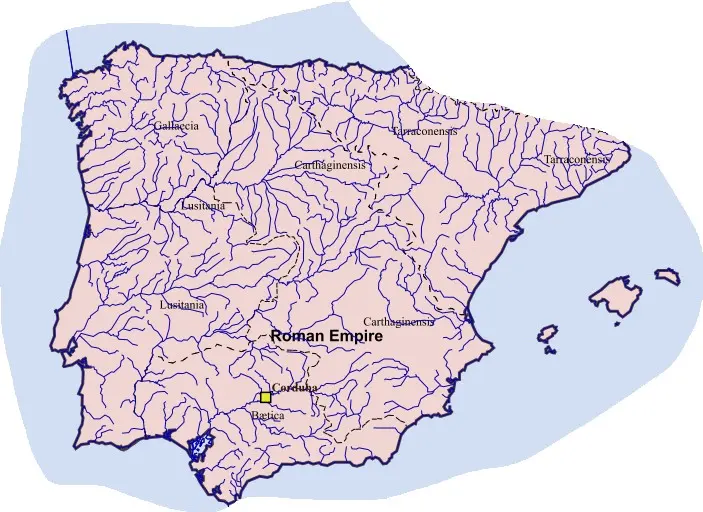
Groups whose resistance under Viriathus challenged Roman expansion; their ancient territory and the later province called Lusitania were not identical.
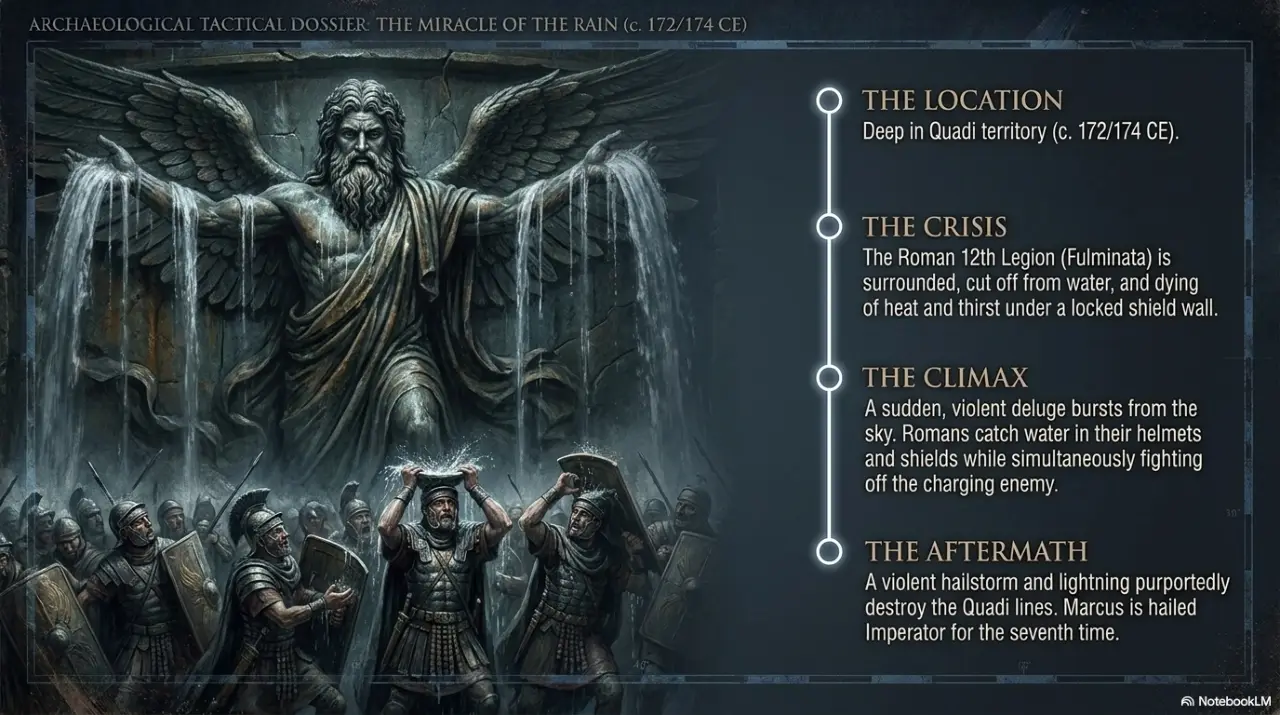
Kingdom under Maroboduus and later Danubian coalitions faced Roman pressure, diplomacy and war; Marcus Aurelius' campaigns did not annex their whole territory.
Republic and early Empire; annexed 106 CE · Southern Levant and Arabia
Kingdom centered on Petra and Bostra linked caravan commerce, agriculture and royal power; annexation formed Arabia Petraea while local communities continued.
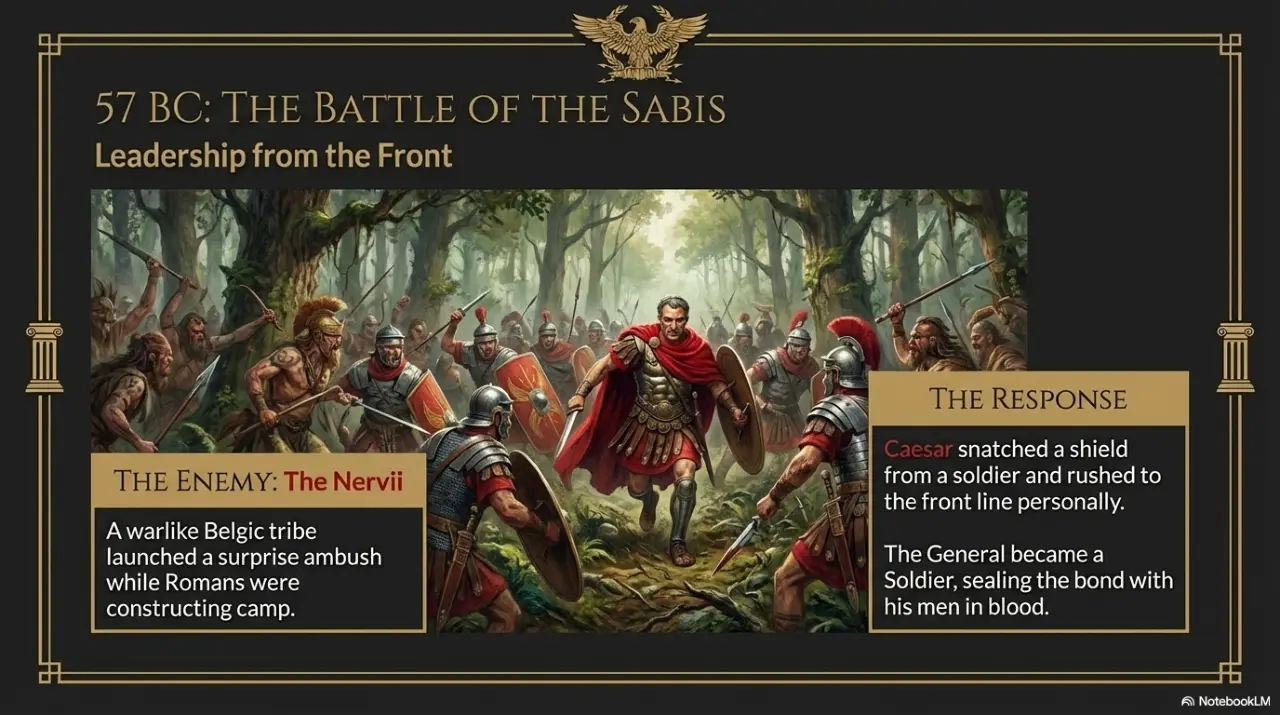
People prominent in the battle at the Sabis against Caesar and later resistance; Roman narration of their martial character is a situated source portrayal.
11th-12th centuries CE · Southern Italy Sicily and Balkans
Later orientation: western rulers who displaced eastern Roman authority in southern Italy and campaigned in the Balkans, sometimes negotiating as well as fighting.
North African kingdoms supplied cavalry and alternated among rival alliances; Massinissa backed Rome, Jugurtha fought it, and royal territories were progressively annexed.
Fifth-sixth centuries CE · Danubian region and Italy
Gothic kingdom under Theodoric ruled Italy while negotiating Roman legitimacy; Justinian's wars destroyed its kingdom but did not remove all Gothic people.
Empire, especially 3rd century CE · Syrian desert and eastern Mediterranean
Citizens of a wealthy oasis city whose rulers Odaenathus and Zenobia expanded power during imperial crisis; Aurelian ended the separatist regime 272 CE.
Republic and early Empire · Middle Danube and Sava region
Diverse communities incorporated during Augustan campaigns and the revolt 6-9 CE; Pannonia later supplied soldiers and emperors within Roman provincial institutions.
Late Roman collective name for northern peoples, prominent in frontier warfare and later kingdoms; not a single timeless tribe identical to all earlier Caledonians.
Republic to 30 BCE · Egypt and eastern Mediterranean
Dynasty ruling Egypt negotiated loans, alliances and Roman intervention; Cleopatra VII's defeat ended royal independence and made Egypt an imperial province.
Neighbors often allied with Marcomanni or Sarmatian groups, appearing in wars, treaties and client kingship; their political relationship with Rome varied across reigns.
Neighboring central Italian people prominent in Roman origin traditions and historical incorporation; Sabine identity persisted within an increasingly Roman political landscape.
Religious community centered on Mount Gerizim with distinct traditions and political experiences; late Roman revolts and imperial policies profoundly affected its communities.
Confederated highland peoples who fought Rome in successive wars and later the Social War; defeat did not erase their regional communities or political resistance.
Republic and Empire · Pontic steppe and Danubian plains
Iranian-speaking steppe populations including Iazyges and Roxolani; Roman texts often generalize them, while groups served as allies, opponents and military settlers.
224-651 CE · Iran Mesopotamia and neighboring regions
Ardashir's dynasty replaced Arsacid rule and became Rome's main eastern rival, conducting diplomacy and warfare across Mesopotamia, Armenia and the Levant.
Late Roman and early medieval periods · North Sea coasts and Britain
A broad label for seafaring and mainland groups; Roman coastal-defense terminology and later migration narratives do not prove one coordinated invasion.
Celtic-associated community at the Danubian crossroads, involved in repeated Roman campaigns and later regional incorporation; ancient labels sometimes combine different populations.
Late Roman and early medieval periods · Ireland and western Britain
Latin label associated with raiders and settlers from Ireland, later linked with Gaelic polities in Britain; it differs from modern nationality terminology.
Republic, especially 2nd-1st centuries BCE · Eastern Mediterranean and Asia
Hellenistic monarchy defeated in the Roman-Syrian War; territorial losses and dynastic struggles preceded Pompey's annexation of its Syrian remnant 64 BCE.
Later orientation: a Turkic-led imperial and dynastic world whose victory at Manzikert 1071 CE preceded major Anatolian political change; it was not a classical Roman tribe.
Names for differing pre-Roman Sicilian populations whose histories interacted with Greek and Punic colonization; they should not be collapsed into a single indigenous state.
Sixth century CE onward · North of Danube and Balkans
Labels in late Roman sources for varied communities involved in raiding, settlement and military alliances; neither name describes a single centralized state.
Early Empire to sixth century CE · Central Europe and northwestern Iberia
Ancient umbrella name and later specific political formations; a Suevic kingdom developed in Gallaecia after the Rhine crossings and was annexed by Visigoths 585 CE.
Fourth century CE · North of lower Danube and Balkans
Gothic grouping associated with Athanaric and Fritigern; many crossed into Roman territory 376 CE. The relationship to later Visigothic identity is historical development, not simple equivalence.
Many communities and kingdoms, sometimes Roman allies and auxiliary recruits and sometimes opponents; direct annexation of the main client kingdom followed in 46 CE.
Distinct central Italian populations incorporated through war, alliance and citizenship; their territories became important recruitment and settlement zones.
Fifth-eighth centuries CE · Balkans Gaul and Iberia
Political formations associated with Alaric and later kingdoms received settlements in Roman Gaul and developed Iberian rule; treaty status and Roman relations changed repeatedly.
Neighboring peoples important in Rome's traditional accounts of early warfare; their political organization and the chronology of individual campaigns require caution.