Legions · The legions, by number
07 Legio II Adiutrix
The Second Helper
Identity. Founded by Vespasian in 70, drawing on Ravenna fleet personnel. Its naval origins resemble those of I Adiutrix but belong to a different foundation. Pegasus and Capricorn are associated symbols.
Historical outline. The Second moved from the Flavian recovery of the Rhine to service in Britain and then to the Danube. Its British postings and later Pannonian establishment show how an army of civil-war victory became a provincial institution. Aquincum supplied its long-term center, while detached contingents and temporary replacement garrisons complicate any simple base map.
Selected chronology
- 70: creation and participation in the suppression of the Batavian revolt.
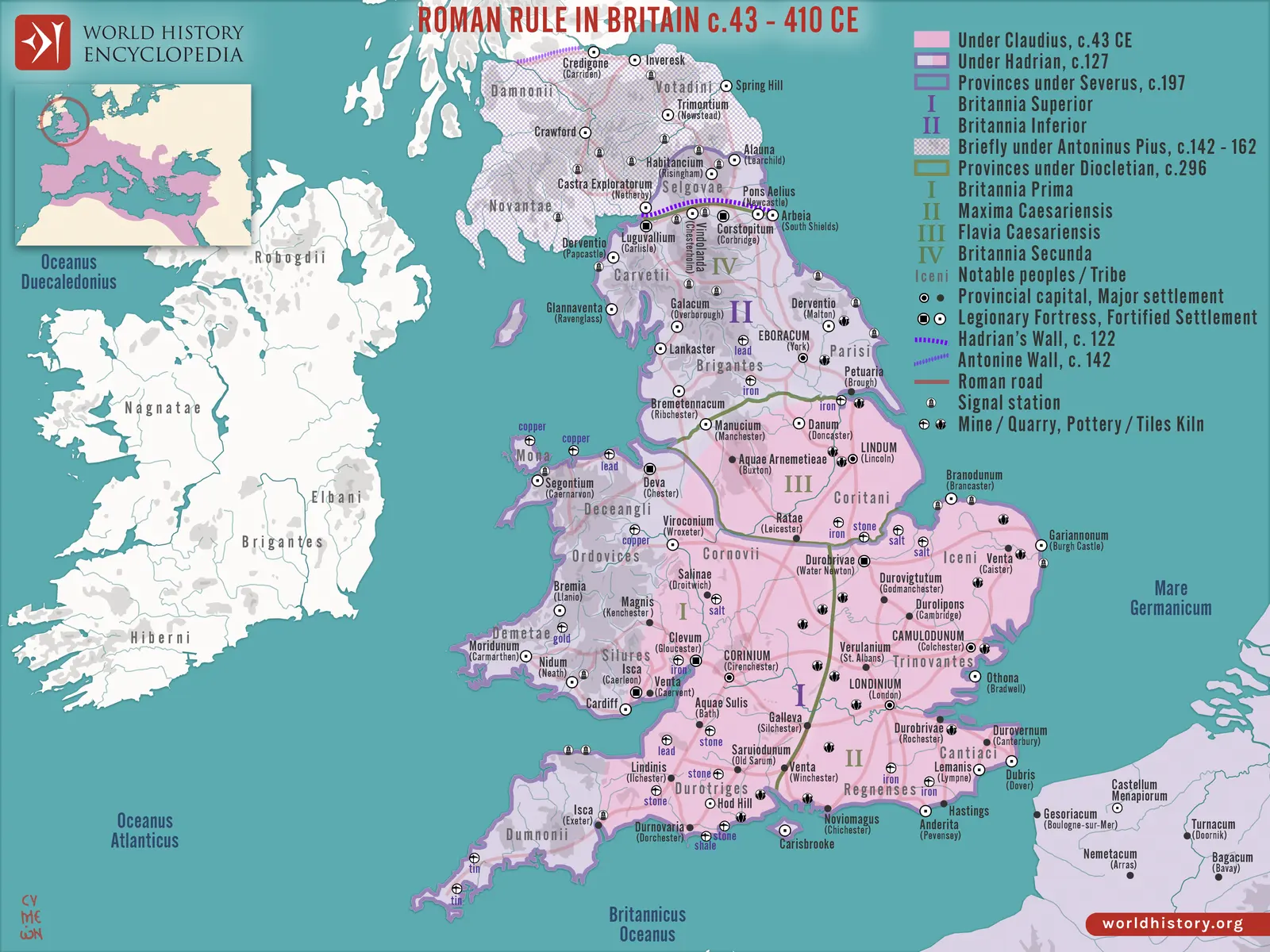
- Early 70s–80s: British service; Lincoln and Chester are associated stations, though their precise sequence requires care.
- Late 80s: transfer to the Danubian wars under Domitian.
- Trajanic period: service in the Dacian campaigns; Aquincum became the lasting base.
- Second–third centuries: Danubian and eastern campaigning; Hadrian had earlier served as a military tribune.
- Late Roman period: continued association with Pannonia, without a securely documented single endpoint.
From a victorious fleet to an expeditionary legion
Vespasian’s new Second drew on the Ravenna fleet personnel who had supported the Flavian cause. The foundation rewarded useful political service while converting available manpower into a legion suited to the new regime’s provincial needs. Its identity should therefore be understood in the context of the civil war’s ending, when the victor had to restore frontiers and redistribute men whose loyalties had recently divided the empire.
The suppression of the Batavian revolt supplied an early operational test. The river country demanded transport, crossings, coordination between separated forces, and the reduction of fortified positions. Subsequent transfer to Britain placed the legion in a different conquest landscape, where campaigns against the Brigantes and the occupation of northern districts depended on roads, forts, intelligence, and allied or auxiliary troops.
Aquincum and the Sarmatian frontier
Aquincum stood on the Danube opposite the plains associated with the Sarmatian Iazyges. Its legionary fortress was part of an urban complex that included military settlements, civilian administration, workshops, and river traffic. The headquarters could remain there while troops marched into the northern-war zones or served in an eastern expedition. A temporary absence required substitute troops and continuing maintenance of the fortress and its stores.
The wars under Marcus Aurelius brought exceptionally hard campaigning and replacement needs. Long service did not mean an unchanged body of men: transfers from other regiments, new recruits, disease, battle losses, and retirement continually remade the institution.
Officers and identity
Hadrian served as a military tribune before becoming emperor. His connection illustrates the legion’s place in elite military careers; its working continuity depended equally on professional centurions and administrative personnel. Pegasus and Capricorn expressed the regiment’s corporate identity. They do not establish a unique type of armor or tactics reserved to the Second. Its distinctiveness lay chiefly in its Flavian origins, unusually mobile early career, and lasting integration into the middle Danubian military world.