Figures · Conquest and transformation of the Republic
RF-011 Publius Cornelius Scipio Africanus
Life and career
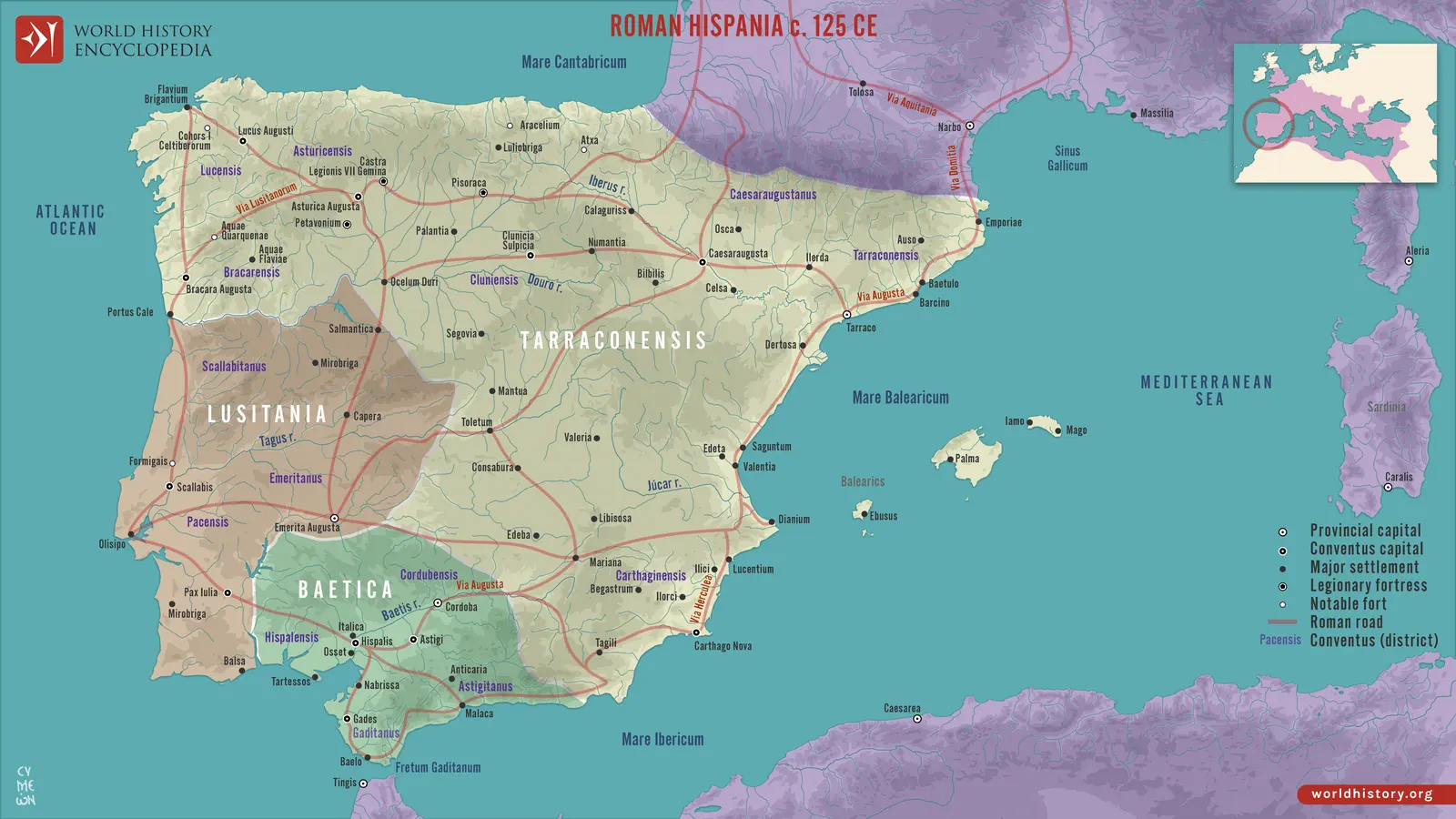
His father and uncle's deaths in Iberia gave his Spanish command a familial and public significance. He combined battlefield aggression with recruitment of allies and management of captured communities. New Carthage mattered as a base, arsenal, harbor, and repository of hostages, so its capture was more than a spectacular assault.
Scipio rebuilt Roman fortunes in Iberia after the deaths of his father and uncle. The capture of New Carthage and victory at Ilipa weakened Carthage's military position before he shifted the war to Africa. Alliance with the Numidian king Masinissa and victory over Hannibal at Zama placed him at the center of Rome's Mediterranean ascendancy. Later disputes over money, influence, and accountability reveal the friction between exceptional command and Republican political expectations.
Leadership and historical significance
The African expedition shifted pressure onto Carthage and worked through a changing Numidian political landscape. Masinissa's support was integral to the balance of power and to Roman cavalry effectiveness. Scipio's use of intelligence, rapid concentration, and negotiation should be studied alongside his later image of inspired confidence. His postwar difficulties show that victory did not free a Roman aristocrat from accusations about accounts, influence, or exceptional prestige. The Republic needed successful commanders while remaining anxious about what their success could authorize.
Landmarks
- 209 BCE — New Carthage.
- 206 BCE — Ilipa.
- 202 BCE — Zama.
Historical uncertainty
Keep him distinct from Scipio Aemilianus, destroyer of Carthage in 146 BCE. Polybius's access to Scipionic circles is valuable but does not make his portrait disinterested.
Connected dossiers: Hannibal Barca, Marcus Porcius Cato the Elder, Publius Cornelius Scipio Aemilianus.