Figures · Conquest and transformation of the Republic
RF-016 Publius Cornelius Scipio Aemilianus
Life and career
His birth into the Aemilii and adoption into the Cornelii illustrate how Roman aristocratic identity could be created through legal kinship. His intellectual associations linked Greek learning with elite Roman command. These relationships matter because the surviving record is unusually close to the social circles responsible for celebrating him.
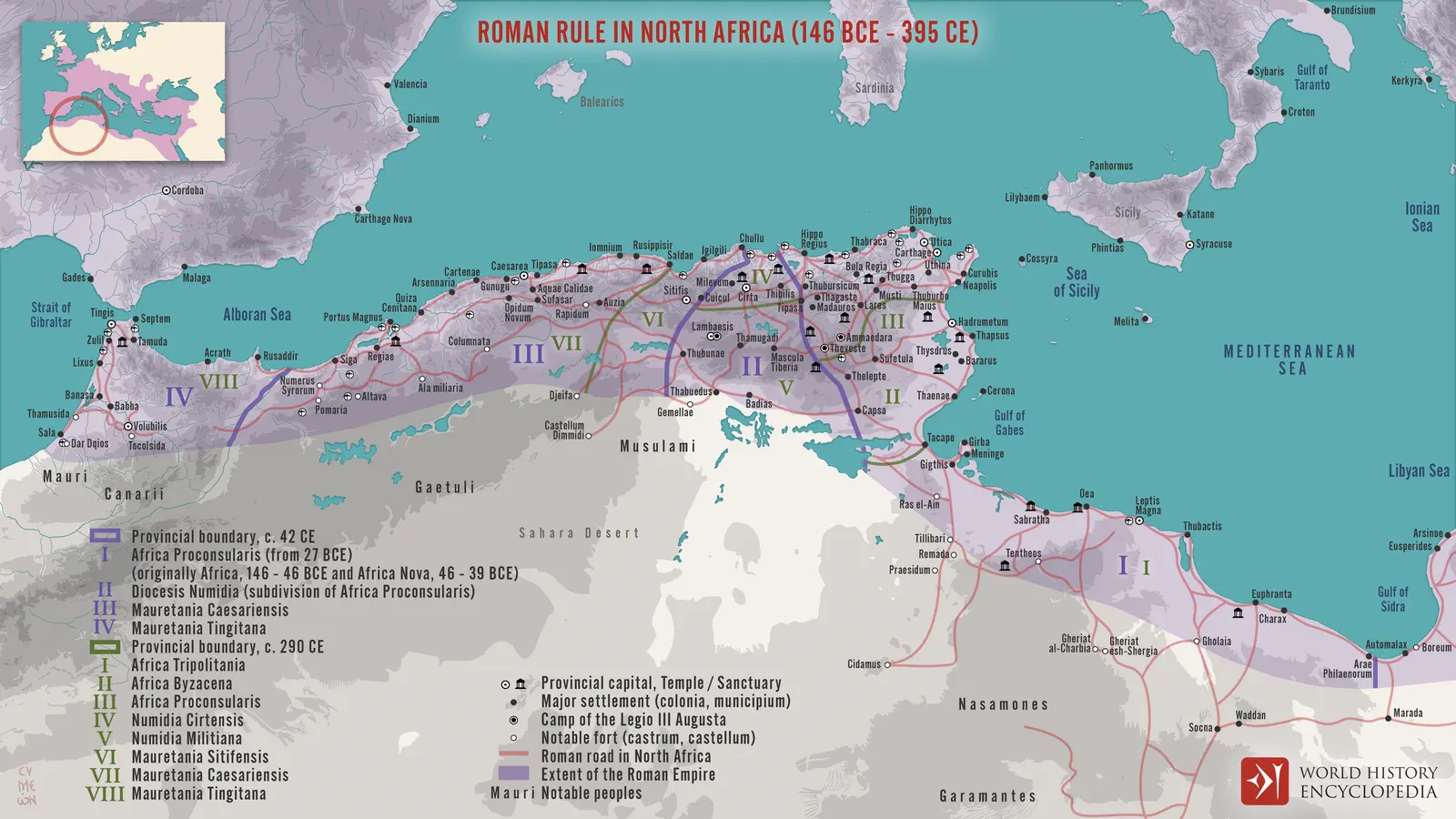
Adopted into the Scipionic family and born a son of Paullus, Aemilianus united major aristocratic connections with military reputation. He captured Carthage in 146 BCE and Numantia in 133 BCE after tightening siege discipline and restricting supply. His relationship with Polybius gives his career an unusually close literary witness. His final years also belong to the political conflicts surrounding Tiberius Gracchus and the redistribution of land.
Leadership and historical significance
At Carthage and Numantia, success required the organization of labor, siege works, supply denial, discipline, and endurance. The resulting destruction was an instrument of settlement, not merely an accidental by-product of combat. His association with both cultural refinement and the annihilation of cities is central to the dossier. In domestic politics he could occupy a position different from that of his Gracchan relatives; kinship did not generate a single political program within the Roman aristocracy.
Landmarks
- 146 BCE — destruction of Carthage.
- 133 BCE — fall of Numantia.
- 129 BCE — death at Rome.
Historical uncertainty
Do not merge his African victory with the elder Scipio's defeat of Hannibal. Reports of his sudden death do not establish a proven assassination.
Connected dossiers: Publius Cornelius Scipio Africanus, Lucius Aemilius Paullus, Tiberius Sempronius Gracchus, Polybius.