Figures · Conquest and transformation of the Republic
RF-013 Marcus Porcius Cato the Elder
Life and career
Cato's Tusculan background and advancement as a new man made lineage an insufficient explanation of his authority. He constructed status through service, oratory, economy, and a publicly austere style. The combination of cultural criticism and familiarity with Greek intellectual life is more complicated than a simple rejection of everything Greek.
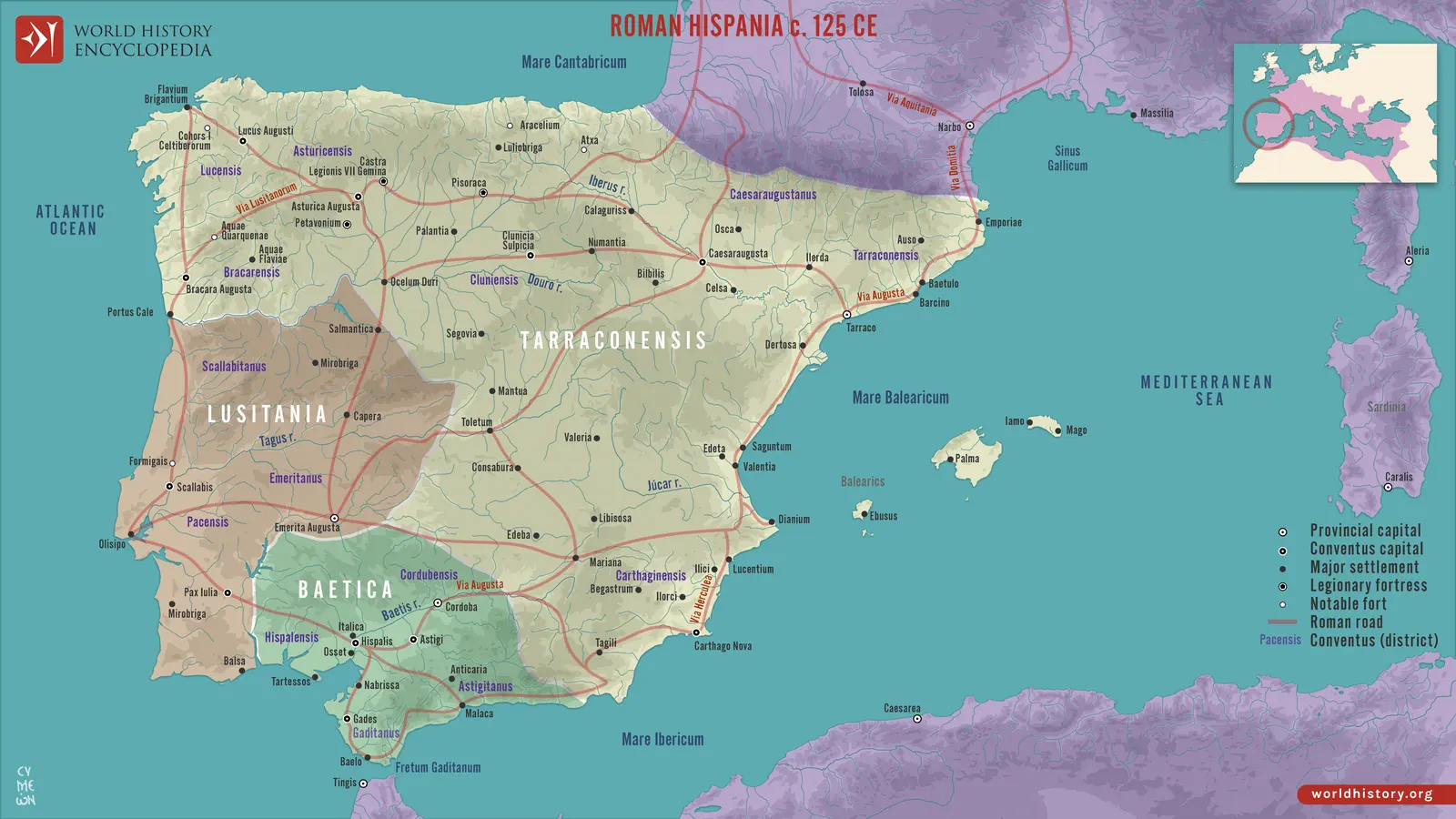
Cato combined military service, administrative intervention, moral regulation, and literary activity. His career supplies a major example of a Roman statesman fashioning authority through claims of discipline and resistance to luxury. Campaigning in Iberia and participation in eastern warfare sit beside his censorship and later hostility toward Carthage. His agricultural writing opens a different archive: the management of land, labor, and enslaved people beneath the public language of virtue.
Leadership and historical significance
His agriculture treats land and labor as objects of management, including the exploitation and sale of enslaved people. This practical world belongs in the same dossier as his public defense of inherited virtue. His opposition to Carthage in old age translated assessments of danger into a memorable political demand. The lasting importance is the creation of a model of censorial statesmanship: a claim that military power and wealth require social discipline, with the claimant himself setting the terms of proper Roman behavior.
Landmarks
- 195 BCE — consulship and Spanish campaigning.
- 184 BCE — censorship.
- Final years — advocacy of action against Carthage.
Historical uncertainty
His moral stance is a political position, not a neutral account of social decline. He is not Cato the Younger, who died at Utica in 46 BCE.
Connected dossiers: Publius Cornelius Scipio Africanus, Publius Cornelius Scipio Aemilianus, Marcus Porcius Cato the Younger.