Figures · Reform rivalry and the Republic in civil war
RF-031 Marcus Porcius Cato the Younger
Life and career
Cato's public identity drew on the memory of his famous ancestor and on a cultivated style of austerity. Personal integrity could confer authority in a political culture where bribery and indebtedness were recurrent accusations. Yet moral consistency did not eliminate the need to make alliances, judge procedures, or decide when opposition might drive others toward force.
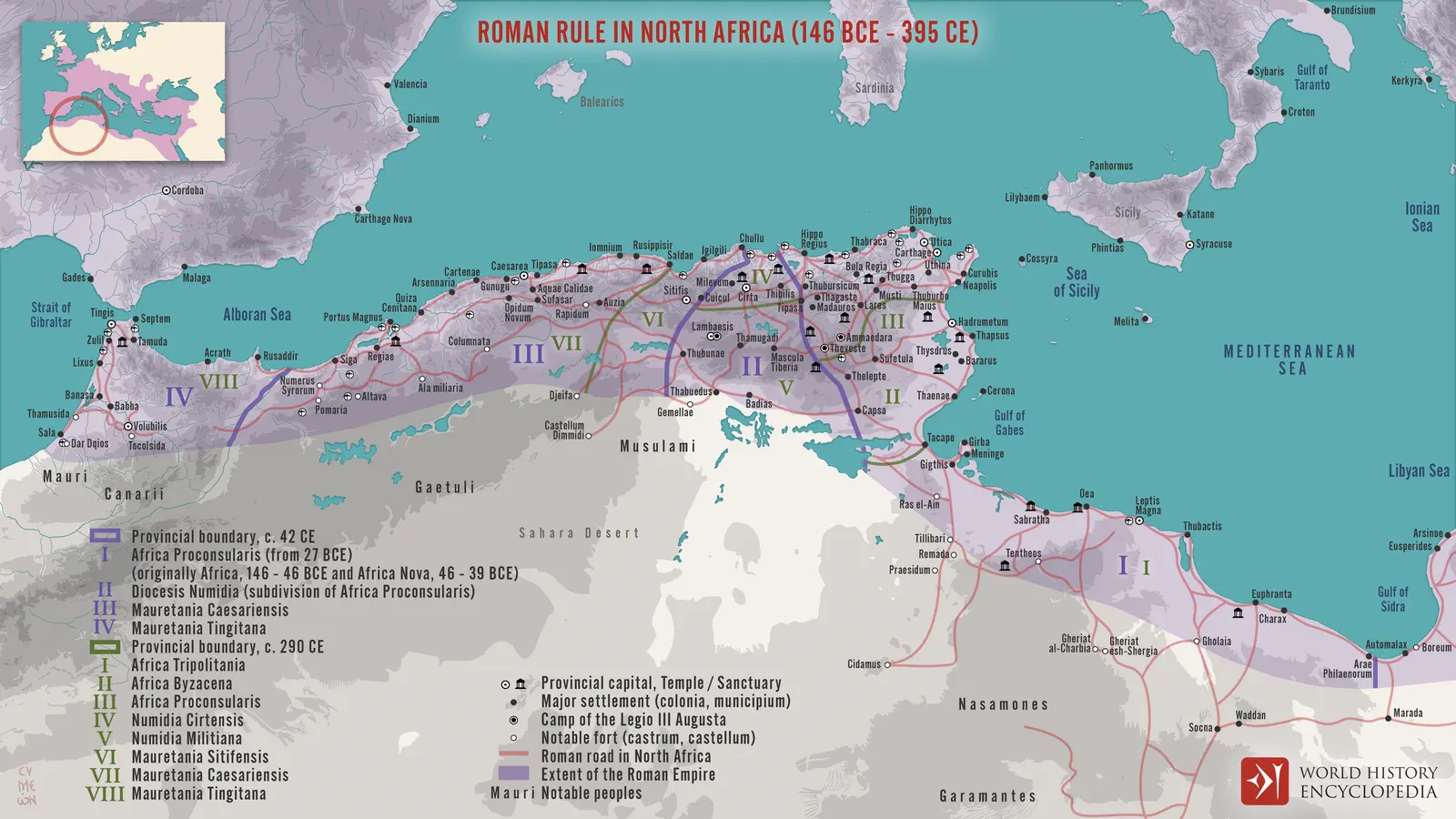
Cato made moral consistency and resistance to exceptional power central to his political identity. His intervention in the Catilinarian debate, opposition to the triumviral coalition, and alignment with Pompey's camp placed him within successive struggles over senatorial authority. After defeat of the Republican forces in Africa, he killed himself at Utica. His posthumous image became a contested argument about liberty, virtue, and the legitimacy of Caesar's victory.
Leadership and historical significance
He could resist compromise on grounds that preserved principle while narrowing available settlements. His refusal to accept a place in Caesar's victorious order made suicide a final political statement, but the meaning of that statement was immediately disputed. Admirers made him a symbol of freedom; Caesar's supporters could portray him as obstinate or self-dramatizing. The dossier should treat that contest over memory as part of his influence, not choose one posthumous image as the complete historical man.
Landmarks
- 63 BCE — Senate debate over the conspirators.
- 58–56 BCE — mission concerning Cyprus.
- 46 BCE — suicide at Utica.
Historical uncertainty
The saintly or inflexible Cato of later reception is an interpretation. Distinguish his political choices from later Stoic and Republican memorialization.
Connected dossiers: Marcus Porcius Cato the Elder, Marcus Tullius Cicero, Gaius Julius Caesar.