Figures · Command dynastic survival and western fragmentation
RF-118 Majorian
Life and career
His military career and relationship with Ricimer placed him within the circle that replaced Avitus. An emperor needed more than a title in Italy: he had to gain recognition, restore revenues, and coordinate local elites and armies across provinces already divided by competing rulers. His western campaigning addressed these problems directly.
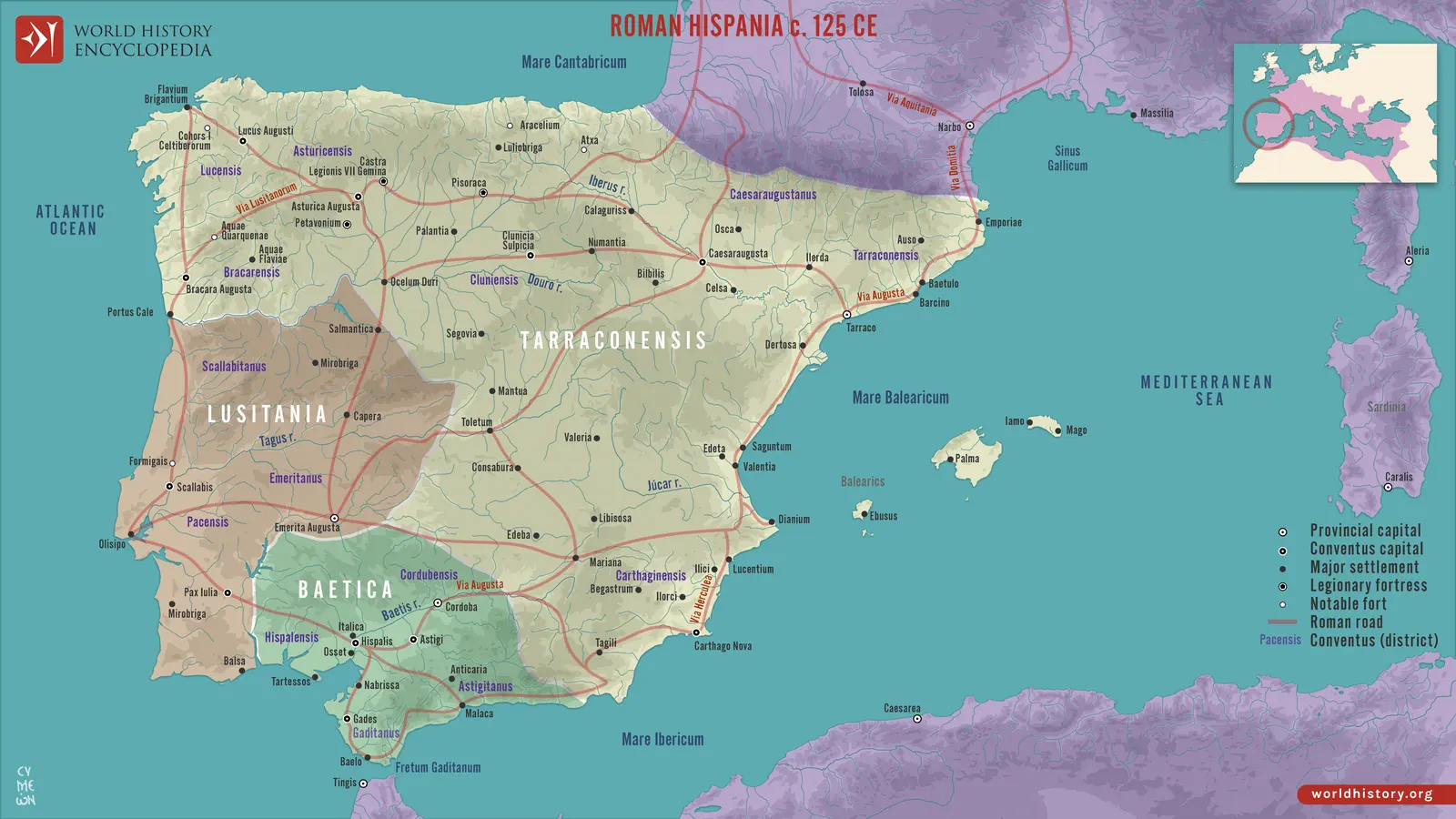
Majorian attempted to restore western authority through campaigning, legislation, and preparations for an expedition against the Vandals. His activities in Gaul and Iberia suggest a ruler seeking resources and cooperation beyond Italy. The loss of his fleet undermined the African project. On his return to Italy he was deposed and killed under Ricimer's dominance. His reign offers a concrete example of attempted recovery constrained by military resources and political dependence.
Leadership and historical significance
Legislation concerning civic obligations, public buildings, and economic life projected a ruler attentive to repair as well as conquest. Yet the African expedition was crucial because control of North African resources could alter the western state's position. Its failure left him vulnerable to the military partner who had helped make him emperor. His dossier illustrates the difference between an energetic restoration program and possession of the political resources needed to survive its first major reverse.
Landmarks
- 457 CE — accession.
- 458–460 CE — operations in Gaul and Iberia.
- 460 CE — loss of expedition fleet.
- 461 CE — deposition and death.
Historical uncertainty
Sidonius's panegyric is a programmatic appeal and celebration, not an impartial assessment. Details of the fleet's loss vary and should not be reduced to a proven single act of betrayal.
Connected dossiers: Ricimer, Gaiseric, Flavius Aetius.