Figures · Command dynastic survival and western fragmentation
RF-117 Gaiseric
Life and career
Leadership of Vandals and Alans gave him a following whose political identity had already changed through movement and war. The North African crossing transferred that following into a region of agricultural wealth, ports, and established Roman communities. Occupation required the organization of property, taxation, military allegiance, and relations with provincial elites.
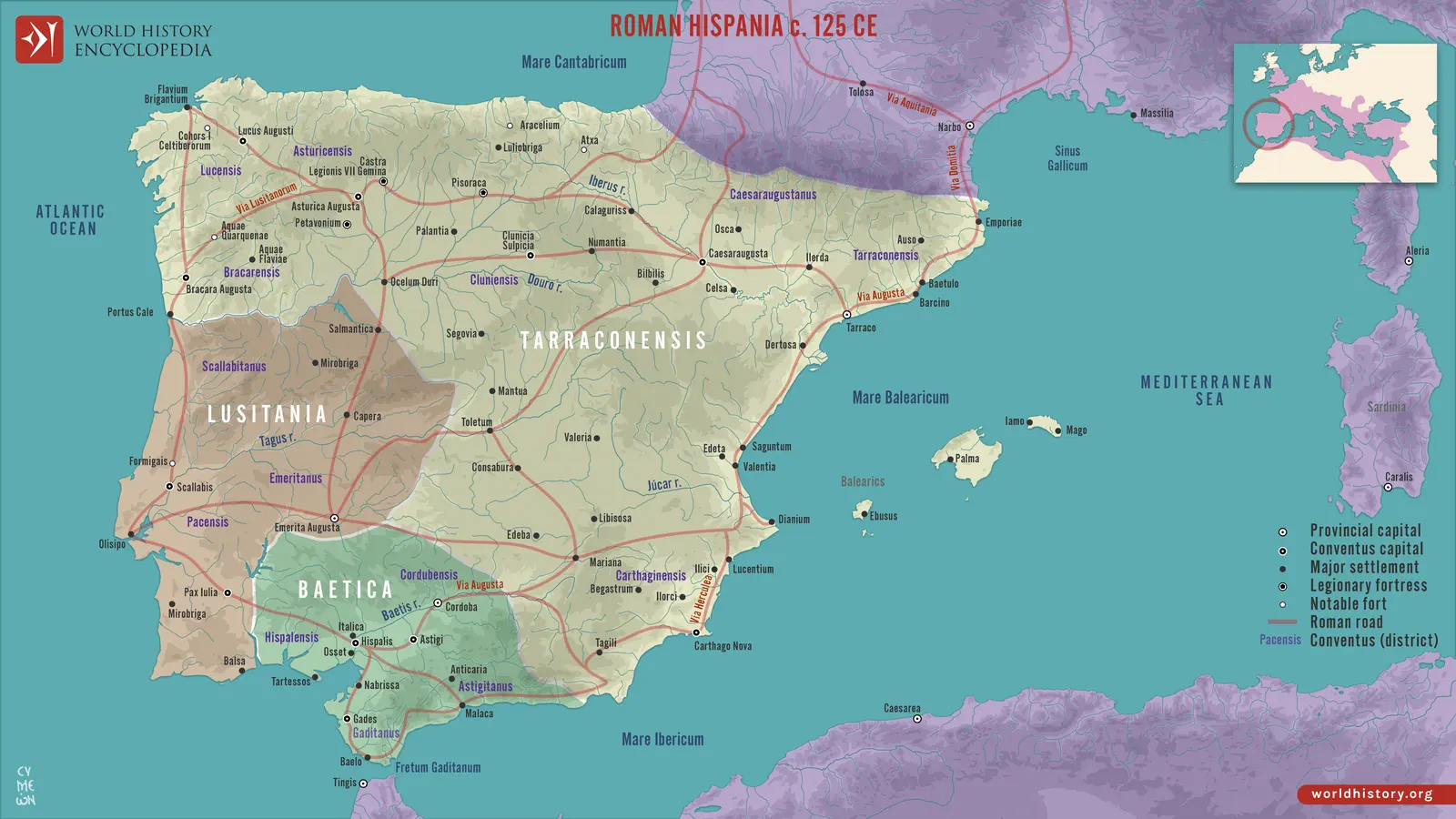
Gaiseric led the move from Iberia into North Africa and captured Carthage, establishing a maritime kingdom within one of the western empire's most valuable regions. The sack of Rome in 455 CE and the defeat of the great imperial expedition of 468 CE demonstrate the strength of his position. His rule transformed Mediterranean fiscal and strategic relationships and complicated every subsequent western attempt at recovery.
Leadership and historical significance
Naval power let his kingdom act beyond its land frontiers and intervene in imperial succession. The capture of members of the imperial family created dynastic leverage as well as captives. Religious policies toward Nicene Christians contributed to conflict and later hostile memory, but varied over time and should not erase the kingdom's use of Roman economic and administrative structures. His success made North Africa an independent center of Mediterranean power for generations.
Landmarks
- 429 CE — crossing into Africa.
- 439 CE — capture of Carthage.
- 455 CE — sack of Rome.
- 468 CE — defeat of imperial expedition.
Historical uncertainty
Accounts of invitations by Boniface or Eudoxia are contested literary explanations. Vandal does not mean indiscriminate destruction in the modern sense of the word.
Connected dossiers: Galla Placidia, Flavius Aetius, Majorian, Ricimer.