Figures · Command dynastic survival and western fragmentation
RF-116 Attila
Life and career
His rise took place within a Hunnic world already connected to Roman service, tribute, embassies, and the political uses of hostages. Shared rule with Bleda preceded sole supremacy. Wealth extracted from the empire could sustain prestige and distribute rewards across a coalition whose cohesion required continuing management.
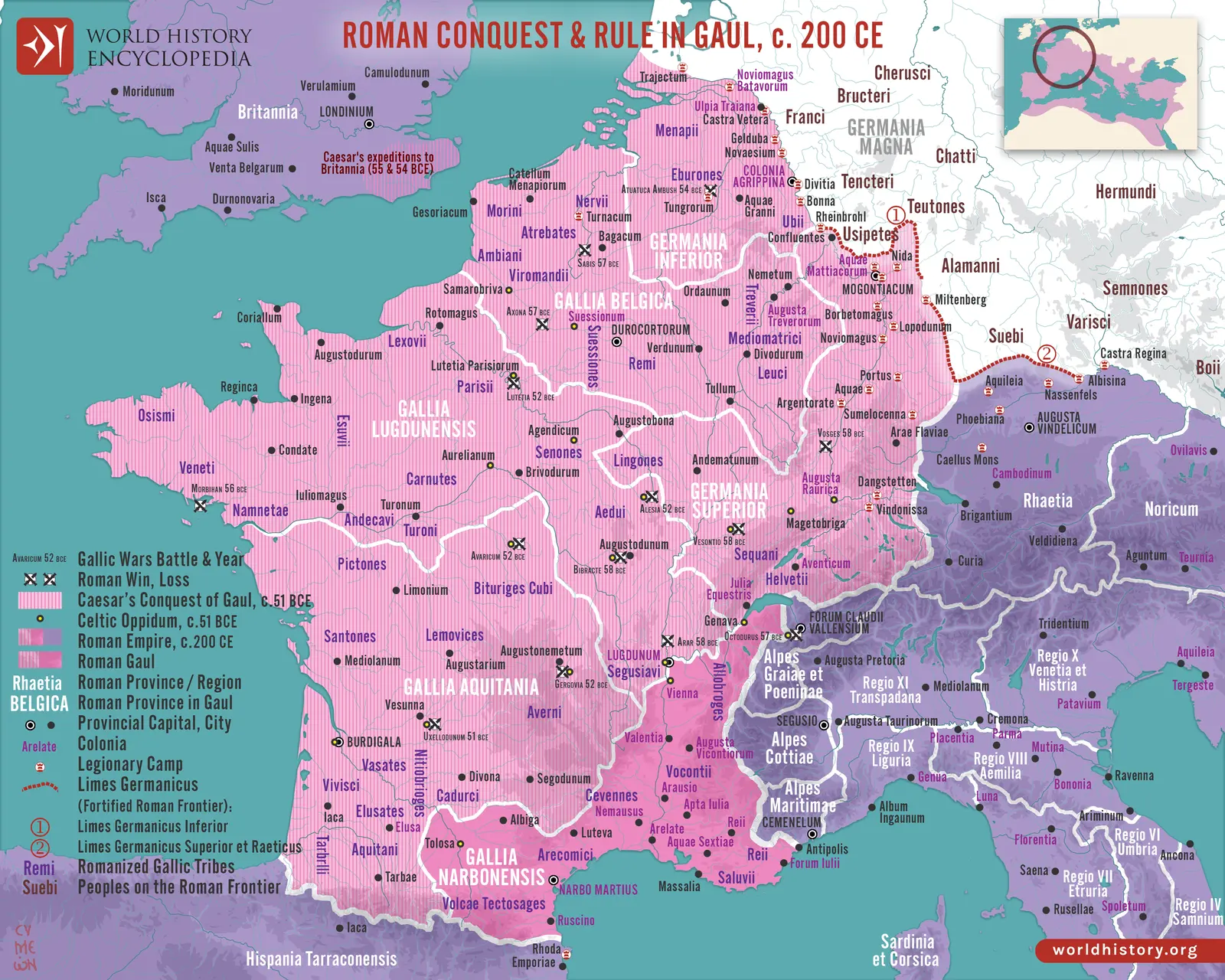
Attila built power through tribute demands, military campaigns, and diplomacy with both imperial courts. His western expeditions in 451 and 452 CE placed Gaul and Italy within a wider history of pressure on the Balkans and eastern government. His regime depended on a coalition of followers and subject peoples, not a centralized modern nation-state. Its rapid fragmentation after his death illustrates the importance of personal rule and negotiated allegiance.
Leadership and historical significance
His method combined threats, negotiation, rapid devastation, and demands framed as obligations under prior agreements. The western campaigns did not replace pressure on the East with one unchanging plan to conquer Rome. After his death, rival heirs and subject leaders contested the distribution of power. His legacy as an embodiment of destruction often obscures the sophistication of this diplomatic economy and the extent to which Roman politics helped create opportunities for it.
Landmarks
- 447 CE — major Balkan campaign.
- 451 CE — invasion of Gaul.
- 452 CE — invasion of Italy.
- 453 CE — death.
Historical uncertainty
Jordanes preserves material connected to Priscus but writes later. Stories explaining his withdrawal from Italy should be compared with disease, supply, and military pressures rather than assigned to one miraculous encounter.
Connected dossiers: Flavius Aetius, Gaiseric, Theodoric the Great.