Legions · The legions, by number
30 Legio X Gemina
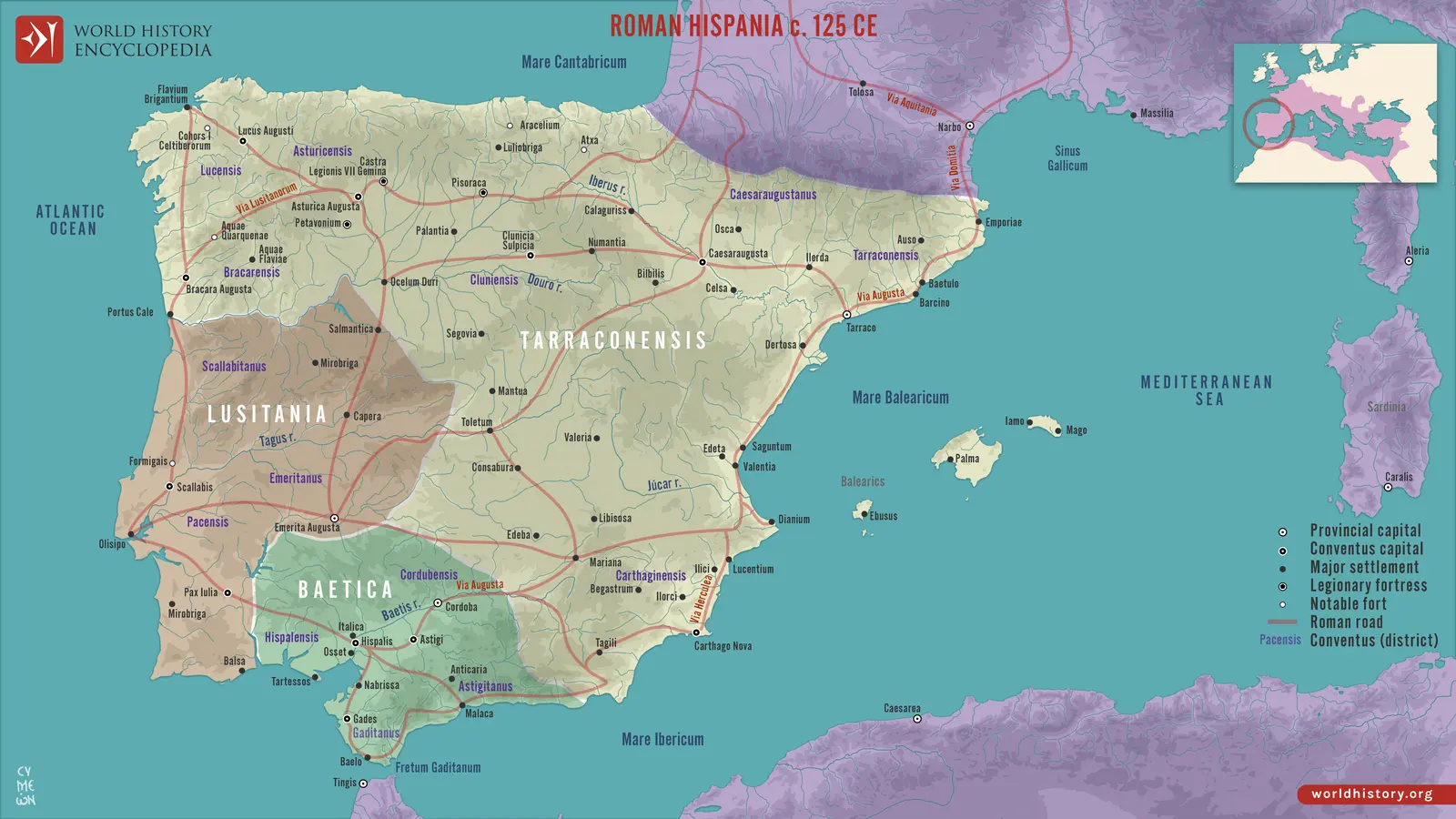
The imperial X Gemina served in Spain, the Danubian system, and the Lower Rhine before its long association with Vindobona/Vienna.
Endpoint: late Roman Danubian survival; precise final termination uncertain. Related identities: X Fretensis, whose Syrian, Judaean, and Red Sea biography belongs to a different institution.
Selected chronology
- By 58 BCE: the Caesarian Tenth in service.
- 55 BCE: participation in the first British expedition.
- After Caesar’s death: reconstitution and later combined identity.
- Early empire: Spanish and Danubian phases.
- After 70: Lower Rhine establishment at Nijmegen.
- Early second century onward: enduring association with Vienna.
The trusted Tenth and its remaking
Caesar’s use of the Tenth as a trusted force gave the number exceptional literary prestige. The Ariovistus episode, the battle at the Sabis, and the British landing supplied a series of remembered moments in which confidence and example mattered. The standard-bearer’s action at the landing belongs to that tradition of command, shame, and collective courage; it should not be turned into a universal method used by every Roman amphibious expedition.
The late Republican regiment was discharged and reconstituted. The later Gemina institution incorporated a changed body of personnel and an inherited military memory. Its relationship to the earlier Equestris identity is historical, but the imperial legion was not simply Caesar’s original men living indefinitely under a new surname.
From Spain through the Rhine to Vienna
The Tenth’s Spanish service connected it with the Augustan conquest and the settlement of veterans. Subsequent movement through the Danubian and Lower Rhine establishments placed it at different strategic junctions. Nijmegen belonged to the post-Batavian military reconstruction; Vienna became the enduring later imperial center.
Vindobona linked river transport with roads and provincial settlements. The Tenth’s presence there extended into the wider military economy through construction, detached service, supplies, and administration. Its occupation must be distinguished from XIV Gemina’s earlier Vienna phase.
Bull, honorifics, and late organization
The bull preserved a familiar motif among Caesarian legionary lineages. Imperial titles accumulated and disappeared as rulers rewarded service and political allegiance. These titles are valuable chronological clues, but they do not supply a complete order of battle. The later Danubian divisions show a corporate identity redistributed across new responsibilities. Its enduring story is the transformation of a celebrated Republican military memory into a long provincial institution at the edge of Roman Pannonia.