Figures · The Severans and the struggle to preserve the empire
RF-080 Severus Alexander
Life and career
Alexander's government presented restraint and consultation as a correction to his predecessor's rule. Julia Mamaea's prominence and the use of experienced officials were sources of stability but could be read by soldiers as excessive court control. The killing of Ulpian by praetorians exposed the limits of civilian authority near the palace.
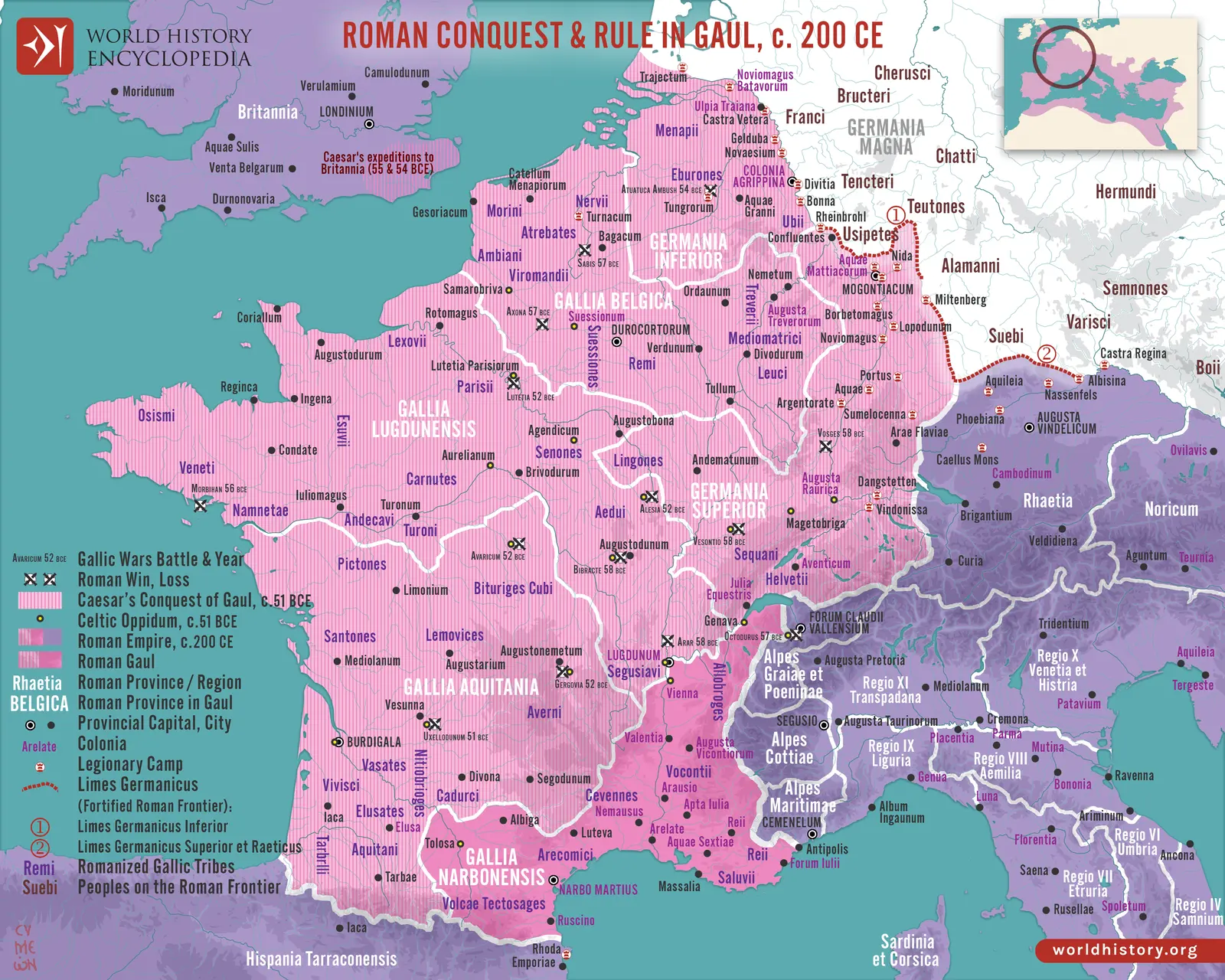
Alexander's reign was shaped by his mother Julia Mamaea and advisers within the imperial court. The rise of the Sasanian monarchy changed Rome's eastern strategic setting, while pressure on the Rhine created additional demands. His killing by troops in 235 CE ended the Severan dynasty and opened a period of repeated military accessions. The contrast between his favorable literary image and his failure to maintain army support is the central archival problem.
Leadership and historical significance
The emergence of the Sasanian monarchy forced Rome to reassess an eastern relationship previously managed against Arsacid rulers. A second military challenge on the Rhine then tested imperial resources and confidence. Whether negotiation was prudent or dishonorable depended on the audience judging it. The troops who killed Alexander and his mother selected a different model of leadership in Maximinus. His fall illustrates the vulnerability of dynastic legitimacy when an army judged the emperor's presence inadequate to its expectations.
Landmarks
- 222 CE — accession.
- 231–233 CE — eastern campaign.
- 235 CE — killing on the Rhine frontier.
Historical uncertainty
The Historia Augusta's portrait of an ideal ruler contains extensive invention and literary construction. Reported victory over Persia should not be accepted without comparing other evidence.
Connected dossiers: Elagabalus, Julia Domna, Septimius Severus.