Figures · The Severans and the struggle to preserve the empire
RF-075 Septimius Severus
Life and career
His background at Lepcis Magna joined North African municipal prominence to advancement within the imperial service. Marriage to Julia Domna connected the dynasty to an important Syrian family. Victory in civil war required both the defeat of rivals and the reconstruction of legitimacy: association with the Antonine house supplied an adoptive genealogy that served that purpose.
Severus emerged victorious from the civil wars after Commodus's death. He defeated rival emperors Niger and Albinus, campaigned against Parthia, and based dynastic legitimacy partly on association with the Antonines. Military rewards and the army's relationship with the emperor became prominent features of his settlement. His last campaigns took place in Britain, where he died at York, leaving Caracalla and Geta as competing heirs.
Leadership and historical significance
Increased rewards and privileges for soldiers strengthened the bond between the emperor and army while enlarging fiscal obligations. His campaigns and public building connected military achievement with dynastic display across several provinces. The final British expedition offered his sons a shared command setting but did not reconcile them. The settlement left the state with two adult heirs whose competing households and claims could not be contained by family rhetoric.
Landmarks
- 193 CE — proclamation and seizure of power.
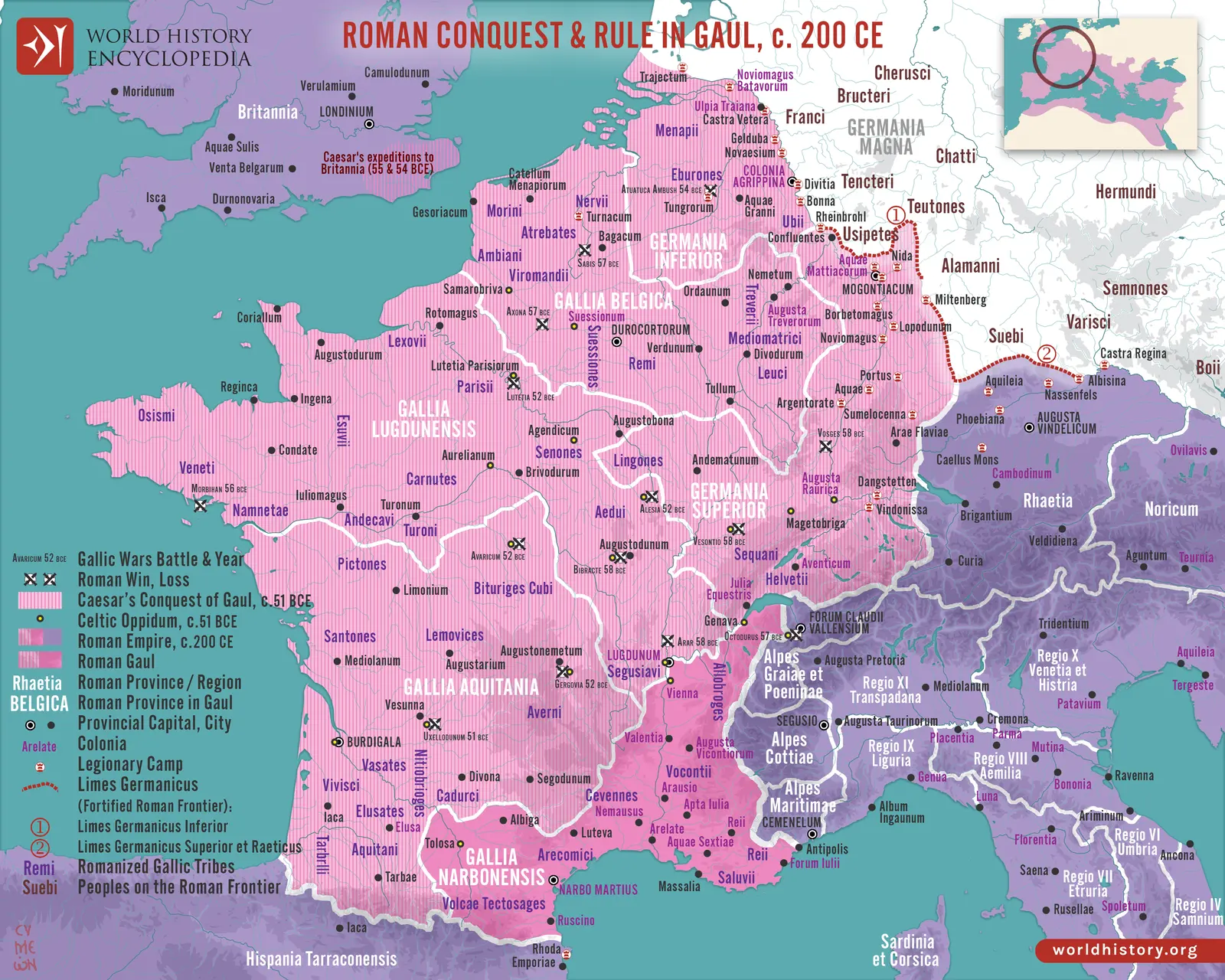
- 197 CE — defeat of Albinus near Lugdunum.
- 198 CE — capture of Ctesiphon.
- 211 CE — death.
Historical uncertainty
The emperor's African birthplace does not establish modern racial categories. Literary advice attributed to him about enriching soldiers is a memorable summary, not a complete budgetary program.
Connected dossiers: Julia Domna, Caracalla, Commodus.