Figures · Civil war the Flavians and the Antonine empire
RF-066 Domitian
Life and career
As Vespasian's younger son, Domitian possessed dynastic legitimacy but initially less military prestige than his brother. His long reign gave him the opportunity to develop a distinct governing style and build relationships beyond the Senate. Frontier diplomacy and payments could be rational instruments even when hostile accounts represented them as humiliation.
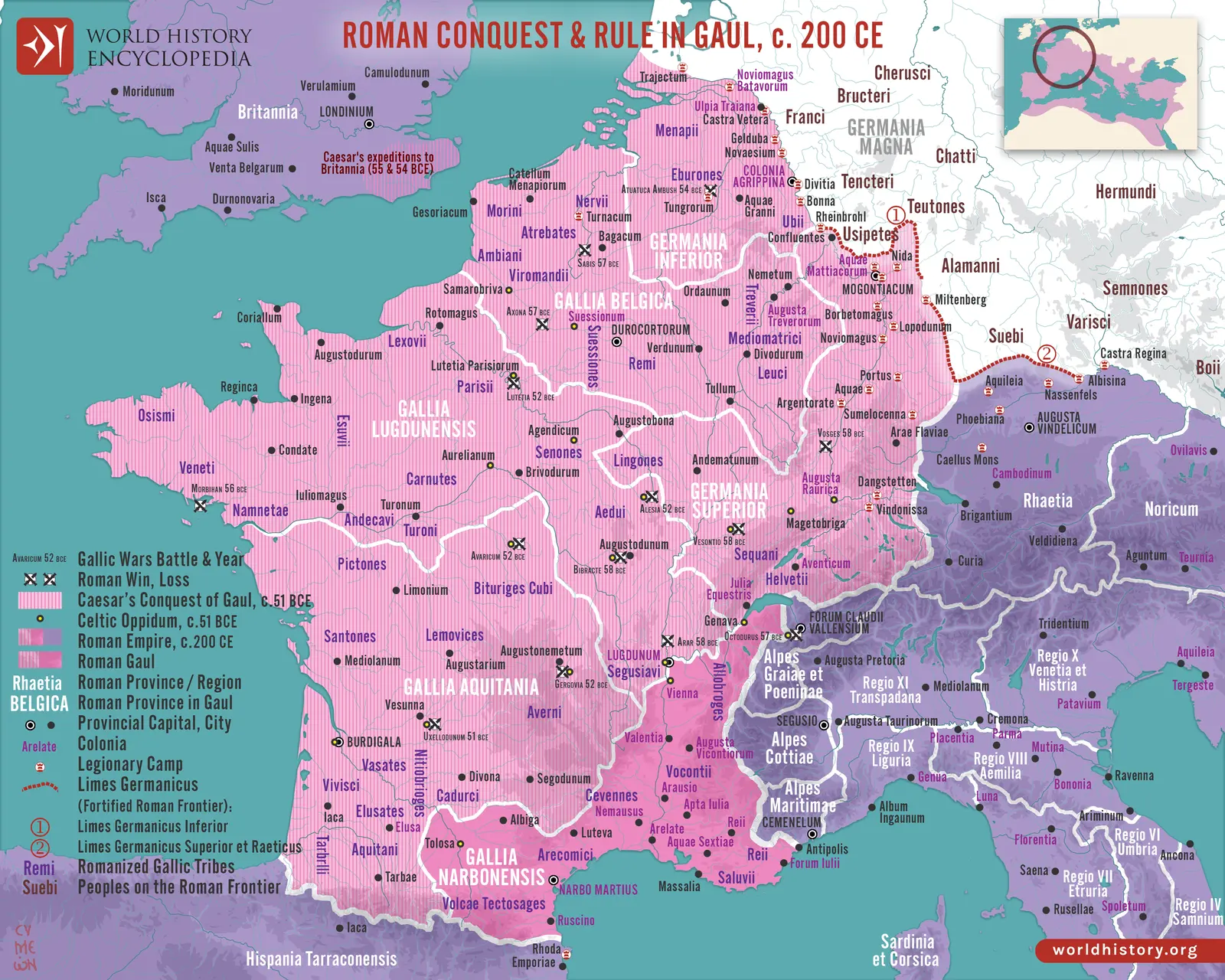
Domitian combined close attention to government and military affairs with an increasingly antagonistic relationship with segments of the senatorial elite. Frontier operations, especially on the Rhine and Danube, accompanied building and a forceful projection of imperial authority. His assassination produced condemnation of his memory and an influential hostile literary tradition. His dossier requires comparison between administrative and material evidence and texts written under the rulers who succeeded him.
Leadership and historical significance
His insistence on hierarchy and personal authority narrowed the space in which senators could display independent distinction. Trials, confiscations, and the memory of endangered elite families supplied material for later condemnation. At the same time, military sites, provincial careers, coinage, and public works preserve a regime more substantial than a caricature of palace terror. His case demonstrates why the hostility of surviving literary witnesses must be recognized without simply reversing it into an equally uncritical rehabilitation.
Landmarks
- 83 CE — German campaigning.
- 80s–90s CE — Danubian wars.
- 96 CE — assassination.
Historical uncertainty
Tacitus, Pliny, and Suetonius wrote in the aftermath of his fall. Their accounts illuminate elite fear and resentment but cannot alone establish the quality of every provincial policy.
Connected dossiers: Vespasian, Titus, Gnaeus Julius Agricola, Nerva.