Figures · Gothic Italy and the eastern Roman imperial system
RF-131 Belisarius
Life and career
His command grew from service in the eastern armies and close imperial trust. His household, especially Antonina, formed part of the network through which favors, information, and protection circulated. An expeditionary general had to sustain that trust while operating far from the court and controlling forces that could make him seem politically dangerous.
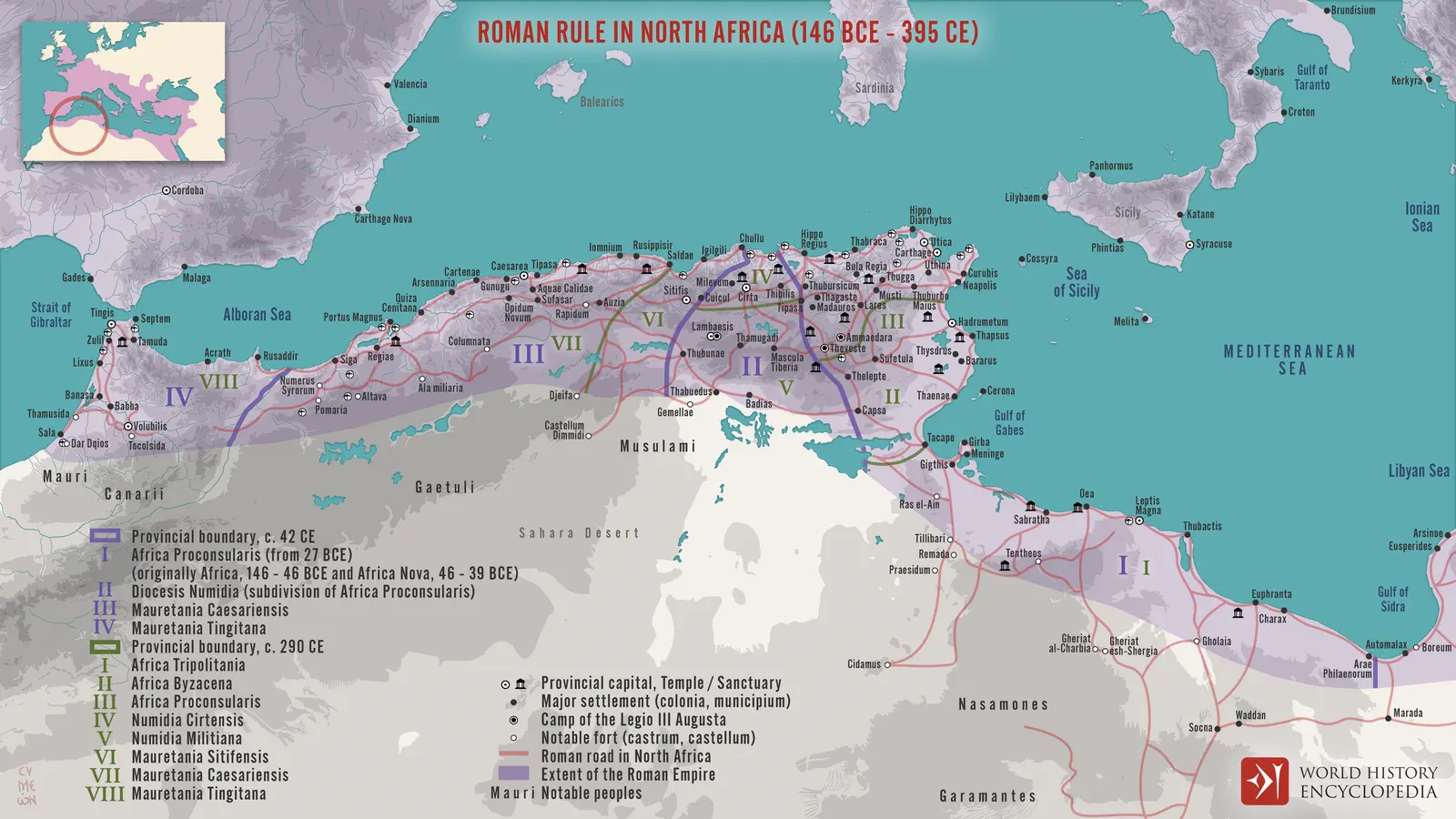
Belisarius served on the Persian frontier before commanding the expedition that overthrew the Vandal kingdom. In Italy he took Rome, defended it against siege, and captured Ravenna, but the Gothic war continued after his recall. His later service again combined frontier war and court dependence. Procopius's position on his staff makes the career unusually well documented while introducing a close and sometimes antagonistic personal perspective.
Leadership and historical significance
In Africa and Italy he combined mobility, negotiation, engineering, naval support, and carefully chosen engagements. The defense of Rome exposed a commander to shortages, civilian pressure, and disputes among his officers as much as to assault. The invitation to accept a western imperial position at Ravenna made the boundary between useful delegation and threatening independence unusually visible. His repeated recalls and renewed commands show dependence on imperial favor without reducing the career to a simple story of ingratitude.
Landmarks
- 530 CE — Dara.
- 533–534 CE — African campaign.
- 536–538 CE — capture and defense of Rome.
- 540 CE — Ravenna.
Historical uncertainty
He was a general, not an emperor or an independent king. The story that he ended life as a blinded beggar is a later legend without a sound contemporary foundation.
Connected dossiers: Justinian I, Theodora, Narses, Procopius of Caesarea, Totila.