The data
Historical Events and Geographical Accounts from Antiquity and Late Antiquity
In the text Book VIII · Chapter 3: Adrianople and the Gothic Settlement
| Entity Name | Type | Geographical Location | Key Events and Descriptions | Historical Period/Date (Inferred) | Primary Figures | Source |
|---|---|---|---|---|---|---|
| Goths | Tribe | Scandza (Scandinavia), Scythia, Dacia, Moesia, Italy, and Thrace | Migrated from Scandza to Gothiscandza and later settled in Scythia. Divided into Visigoths (Theruingi) and Ostrogoths (Greuthungi). They sought refuge in the Roman Empire but revolted due to mistreatment, leading to the victory at Hadrianopolis. Sacked Rome in 410 A.D. and were eventually defeated by Belisarius. | c. 1490 B.C. to 551 A.D. | Berig, Filimer, Fritigern, Alaric, Theoderic the Great | 1, 2 |
| Huns | Tribe | Scythia, Pannonia, Central Europe, and the Azov Sea region | Described as a savage race of nomadic horsemen. They drove the Alani and Goths from their lands and launched massive campaigns against the Western Empire. They were eventually stopped at the Catalaunian Fields. | c. 370s–453 A.D. | Balamber, Attila, Bleda, Ellac | 1, 2 |
| Rome | City | Italy | Capital of the Roman Empire; suffered a great sack by the Goths in 410 A.D. and later by the Vandals in 455 A.D. Successfully defended by Belisarius against a year-long Gothic siege in the 6th century. | c. 753 B.C. to 476 A.D. (Fall of West) | St. Augustine, Alaric, Gaiseric, Belisarius | 1, 3-5 |
| Ravenna | City | Northern Italy, Adriatic coast | A highly fortified city surrounded by marshes and the Po river. Served as the seat of power for the Western Empire, Odoacer, and the Ostrogothic Kingdom. | Late 5th – 6th Century A.D. | Odoacer, Theoderic, Honorius, Vittigis | 1, 4, 5 |
| Battle of Hadrianopolis | Conflict | Outside Hadrianopolis, Thrace (Modern Edirne, Turkey) | A catastrophic Roman defeat by a combined force of Goths and Alani. Roughly two-thirds of the Roman army perished, including Emperor Valens. The city itself was later unsuccessfully besieged by the Goths. | August 9, 378 A.D. | Valens, Fritigern, Alatheus, Saphrax | 2 |
| Belisarius | Primary Figure | Sicily, Southern Italy, Rome, and Mesopotamia | Byzantine general under Justinian who captured Sicily, Naples, and Rome. Defeated the Persians at Daras and captured the fortress of Sisauranon. He played a key role in suppressing the Nika Insurrection. | 530–549 A.D. | Belisarius, Justinian, Vittigis, Antonina | 5, 6 |
| Entity Name | Type | Geographical Location | Key Events and Descriptions | Historical Period/Date (Inferred) | Primary Figures | Source |
|---|---|---|---|---|---|---|
| Antioch | City | Syria, on the River Orontes | The most important city of the Eastern Roman Empire. Captured, plundered, and burned to the ground by Chosroes I after its citizens insulted him. Survivors were enslaved or resettled. | June 540 A.D. | Chosroes I, Germanus, Megas, Julian | 6 |
| Theoderic | Leader | Italy, Ravenna | Leader of the Goths who defeated Odoacer and ruled as 'rex' of Italy for thirty-seven years. Known for justice and wisdom, though he executed Symmachus and Boethius late in his reign. | 489–526 A.D. | Theoderic, Zeno, Odoacer, Symmachus, Boetius | 5 |
| Chosroes I | Leader | Persia | King of the Persians who captured Antioch and Petra, and unsuccessfully besieged Edessa and Daras. His reign was marked by intense conflict with the Byzantine Empire. | 531–579 A.D. | Chosroes I, Justinian, Belisarius | 6 |
| Vandals | Tribe | Germany, Spain, and North Africa | Migrated through Gaul and Spain to Africa where they founded a kingdom. They sacked Rome in 455 A.D. before being defeated by Belisarius. | c. 1st Century A.D. to 534 A.D. | Visimar, Gaiseric, Huneric, Gelimer | 1 |
| Battle of the Catalaunian Fields | Conflict | Gaul (Modern France) | Massive battle where a coalition of Romans and Visigoths stopped Attila's Huns; King Theodorid of the Visigoths was killed in the fray. | 451 A.D. | Attila, Aëtius, Theodorid, Thorismud | 1, 4 |
| Edessa | City | Mesopotamia (Osroene) | Famed for its perceived invincibility due to a letter from Jesus to Augarus. Chosroes I failed to capture it after a massive siege involving an 'agger'. | 544 A.D. | Augarus, Chosroes I, Martinus, Stephanus | 6 |
| Nika Insurrection | Conflict | Byzantium (Constantinople) | A massive riot arising from the Blue and Green chariot factions. Much of the city was burned, including the Hagia Sophia. Ended when Belisarius and Mundus executed the usurper Hypatius. | January 532 A.D. | Justinian, Theodora, Hypatius, Belisarius, Mundus | 6 |
| Petra | City | Lazica (Colchis), on the Euxine Sea | Founded by Justinian; site of a trade monopoly that led to the revolt of the Lazi. Captured by Chosroes I via tunneling, and later besieged by Roman forces. | 541–549 A.D. | John Tzibus, Chosroes I, Goubazes, Dagisthaeus | 6 |
| Daras | City | Mesopotamia | Built by Emperor Anastasius as a stronghold against Persians. Site of a major battle where Belisarius defeated the Persians. Later targeted by a failed ruse by Chosroes I. | 530 A.D. | Anastasius, Belisarius, Hermogenes, Perozes | 6 |
| Ephthalitae Huns | Tribe | North of Persia | Known as White Huns; established with a lawful constitution and a single king. They destroyed the Persian army under King Perozes using a hidden trench stratagem. | 484 A.D. | Perozes, Eusebius, Cabades | 6 |
| Amida | City | Mesopotamia | Besieged by King Cabades for eighty days and captured via an underground passage. Later recovered by the Romans through purchase for 1,000 pounds of gold. | 502–504 A.D. | Cabades, Jacobus, Glones, Anastasius | 6 |
| Lazica | Kingdom | Ancient Colchis, Caucasus region | A Christian nation and Roman ally that revolted to the Persians due to Roman oppression before eventually seeking Roman aid to expel them. | 541–549 A.D. | Goubazes, Chosroes I, Dagisthaeus, Mermeroes | 6 |
| Iberians | Tribe/Nation | Asia, near the Caspian Gates | A Christian nation subject to Persia. They revolted when King Cabades attempted to force Persian religious rites upon them and fled to Lazica for protection. | 527–532 A.D. | Gourgenes, Cabades, Justinus | 6 |
| Amalasuntha | Leader | Italy, Ravenna | Daughter of Theoderic and regent for Atalaric; attempted to reconcile Gothic rule with Roman culture; eventually imprisoned and killed by Theodatus. | 526–535 A.D. | Amalasuntha, Atalaric, Justinian, Theodatus | 5 |
| Theodatus | Leader | Tuscany, Italy | Nephew of Theoderic who became king after Atalaric; known for avarice and cowardice; murdered Amalasuntha and was later killed by Optaris. | 534–536 A.D. | Theodatus, Amalasuntha, Peter, Vittigis | 5 |
| Franks (Germans) | Tribe | Gaul (Modern France/Germany) | Barbarian nation that expanded across Gaul, defeating Visigoths and Burgundians. Entered into complex alliances with both Romans and Goths. | 5th – 6th Century A.D. | Theoderic, Alaric the Younger, Theudibert | 5 |
| Halani (Alani) | Tribe | Scythia, near the Tanaïs River | Warlike nomads who worship a naked sword. Conquered by or allied with the Huns; participated in the invasion of Thrace and the Battle of Hadrianopolis. | Late 4th Century A.D. | Farnobius | 2 |
| Entity Name | Type | Geographical Location | Key Events and Descriptions | Historical Period/Date (Inferred) | Primary Figures | Source |
|---|---|---|---|---|---|---|
| Tzani | Tribe | Border of Armenia and Persarmenia | Formerly autonomous barbarians known for plundering. Subjugated by general Sittas through kindness, converted to Christianity, and became Roman soldiers. | 527–565 A.D. | Sittas, Justinian | 6 |
| Eruli | Tribe | Danube region, Thule | Nomadic barbarian people known for ritual suicide for the elderly; served as Roman allies but were notoriously unstable. | Late 5th – 6th Century A.D. | Rodolphus, Justinian, Suartuas | 5 |
| Gepidae | Tribe | Vistula River, Dacia | Kinsmen of the Goths who were slower in migration; frequently in conflict with the Goths and later the Huns. | c. 3rd – 6th Century A.D. | Fastida, Ardaric | 1, 4 |
| Amazons | Tribe | Caucasus, Asia Minor | Scythian-born female warriors who conquered various provinces in Asia and built the temple of Diana at Ephesus. | Mythical/Ancient Period | Lampeto, Marpesia, Penthesilea | 1 |
| Scythia | Region | Eastern Europe / Central Asia | Described as the second home of the Goths; a vast land bordering Germany and the Pontic Sea, inhabited by numerous tribes. | Ancient to Early Medieval | Jordanes, Josephus | 1, 4 |
| Constantinople | City | Thrace/Bosphorus | The imperial capital; Goths attempted to attack it after Hadrianopolis but were deterred by Saracen auxiliaries. | 378 A.D. | Valens, Julius | 2 |
| Naples | City | Campania, Italy | Strongly fortified city captured by Belisarius after his troops entered via an unused aqueduct channel. | 536 A.D. | Belisarius, Stephanus, Pastor, Asclepiodotus | 5 |
| Sisauranon | Fortress | Mesopotamia | A Persian stronghold captured by Belisarius. The Persian garrison was sent to Byzantium and eventually to Italy to fight the Goths. | 541 A.D. | Belisarius, Bleschames, George | 6 |
| Lentienses | Tribe | Modern Germany/Switzerland border | Part of the Alamannic race; broke their treaty with Rome and were defeated by Gratian at the Battle of Argentaria. | 378 A.D. | Priarius, Gratian | 2 |
| Argentaria | City/Location | Near modern Horburg, France | Location of the battle where the Roman generals Nannienus and Mallobaudes defeated the Lentienses. | 378 A.D. | Nannienus, Mallobaudes, Priarius | 2 |
| Taifali | Tribe | Near the river Gerasus (Pruth) | Allies of the Goths described as living a life of shame. Defeated by Frigeridus and banished to work the fields in Italy. | 377–378 A.D. | Frigeridus, Farnobius | 2 |
More from “Gothic Wars”
- The dataNotebookLMLate Roman Political and Ecclesiastical History (323–425 AD)
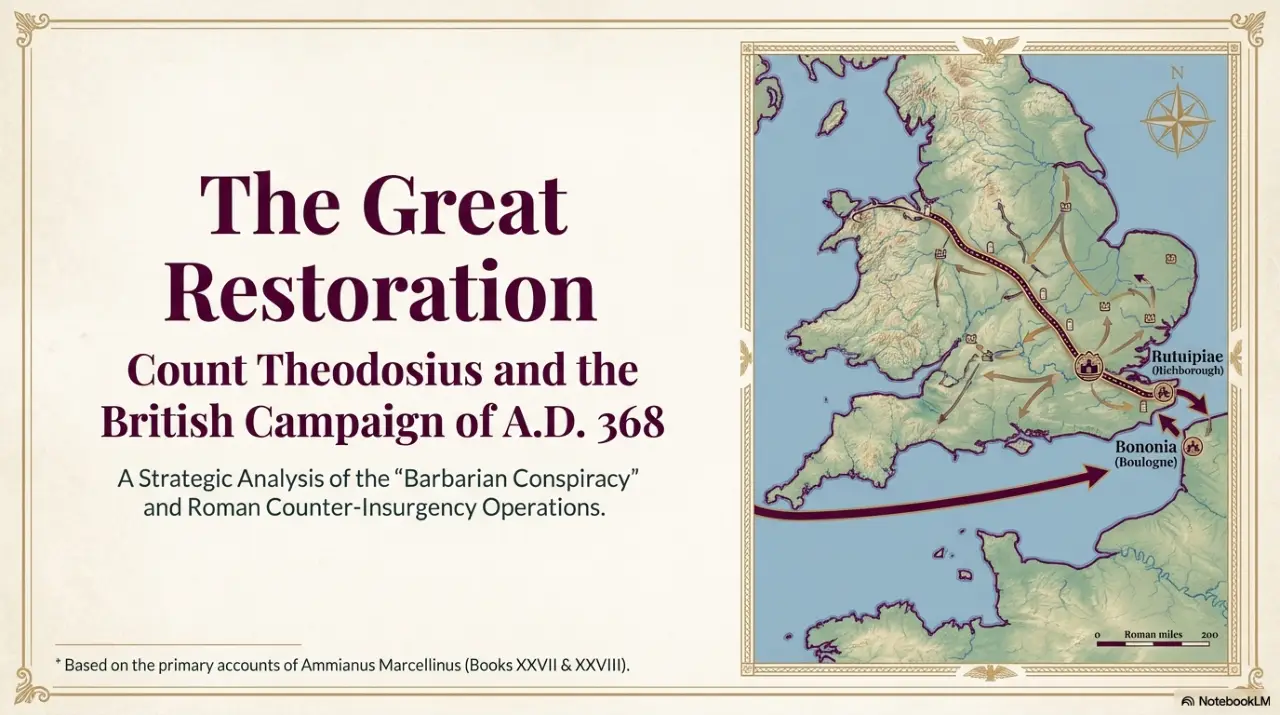 SlidesNotebookLMTheodosius Crisis Management in Roman Britain
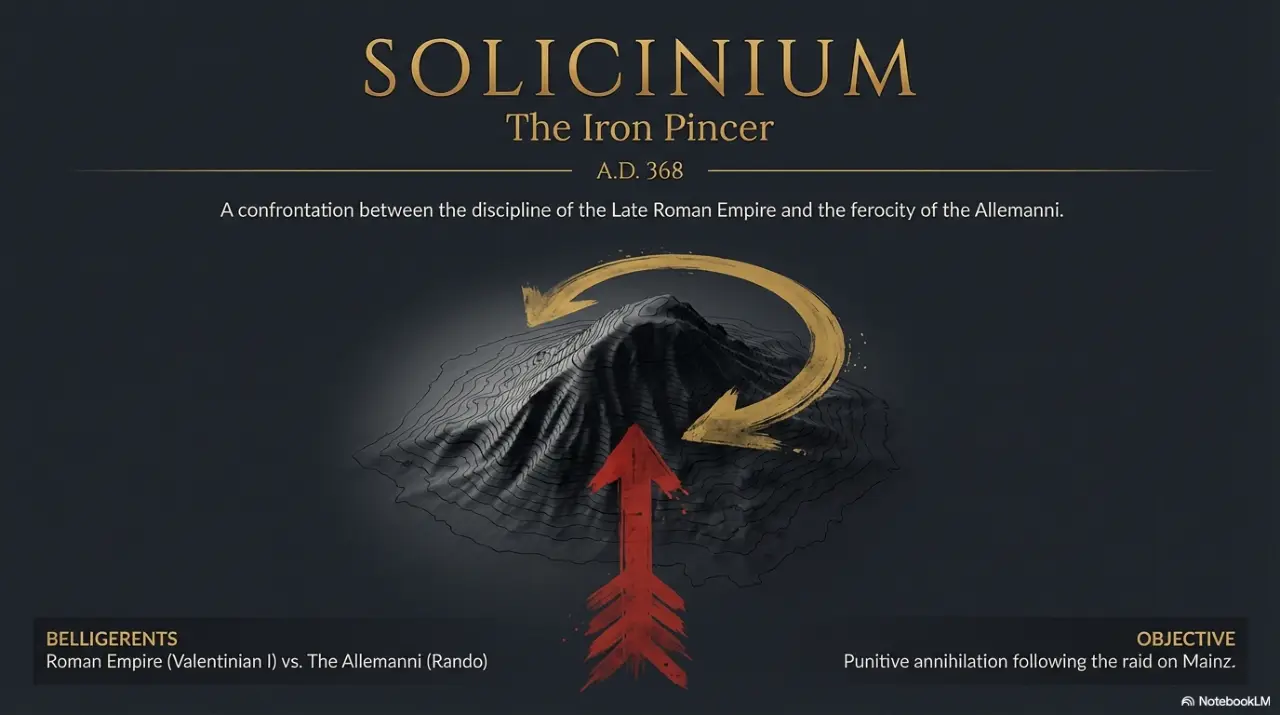 SlidesNotebookLMSolicinium The Iron Pincer
- The dataNotebookLMList of Wars and Conflicts Mentioned in Ammianus Marcellinus
- The dataNotebookLMPeople and Groups in the Roman History of Ammianus Marcellinus
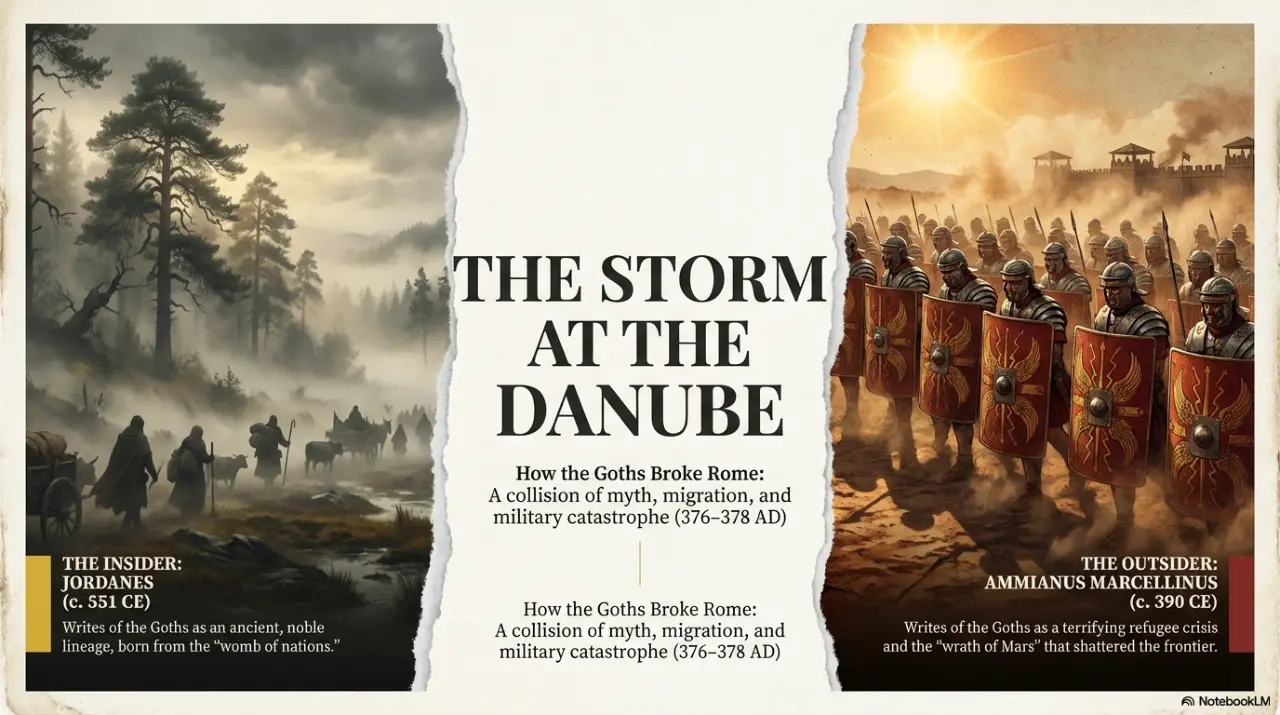 SlidesNotebookLMGoths Shatter Rome
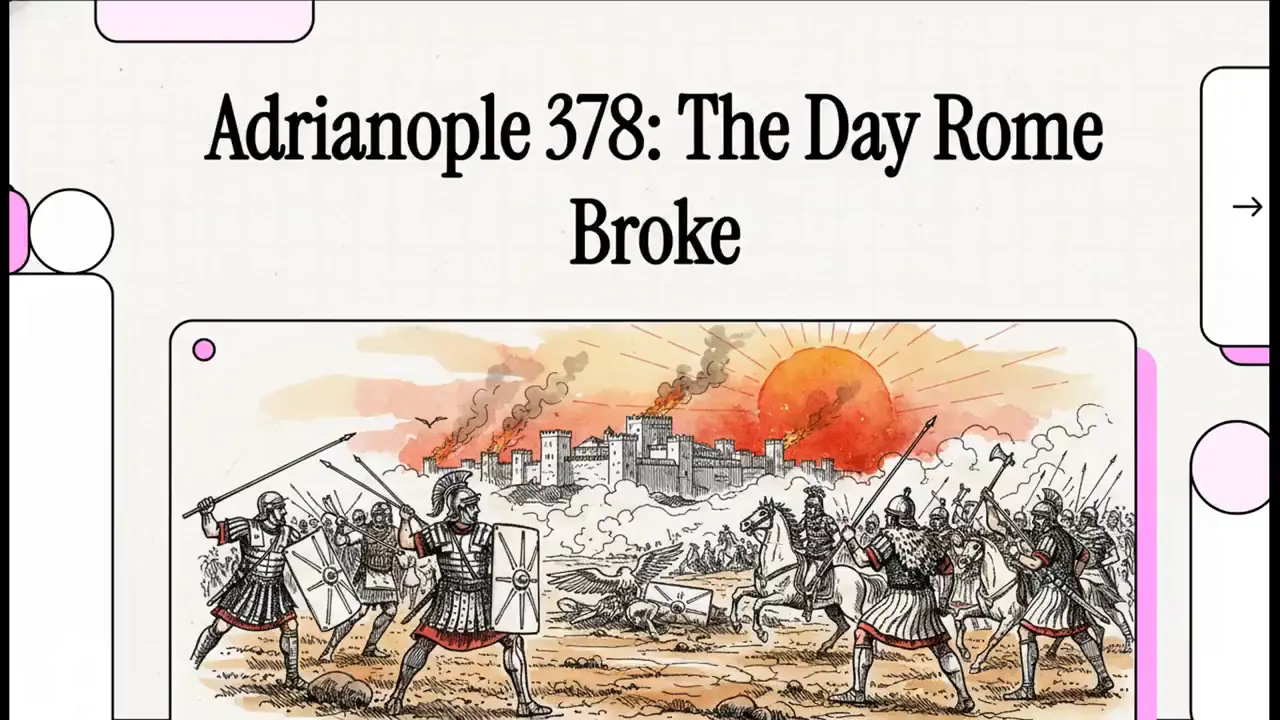 Watch · 7:51NotebookLMAdrianople 378: The Day Rome Broke
- The dataNotebookLMHistorical Events and Geographical Accounts from Antiquity and Late Antiquity
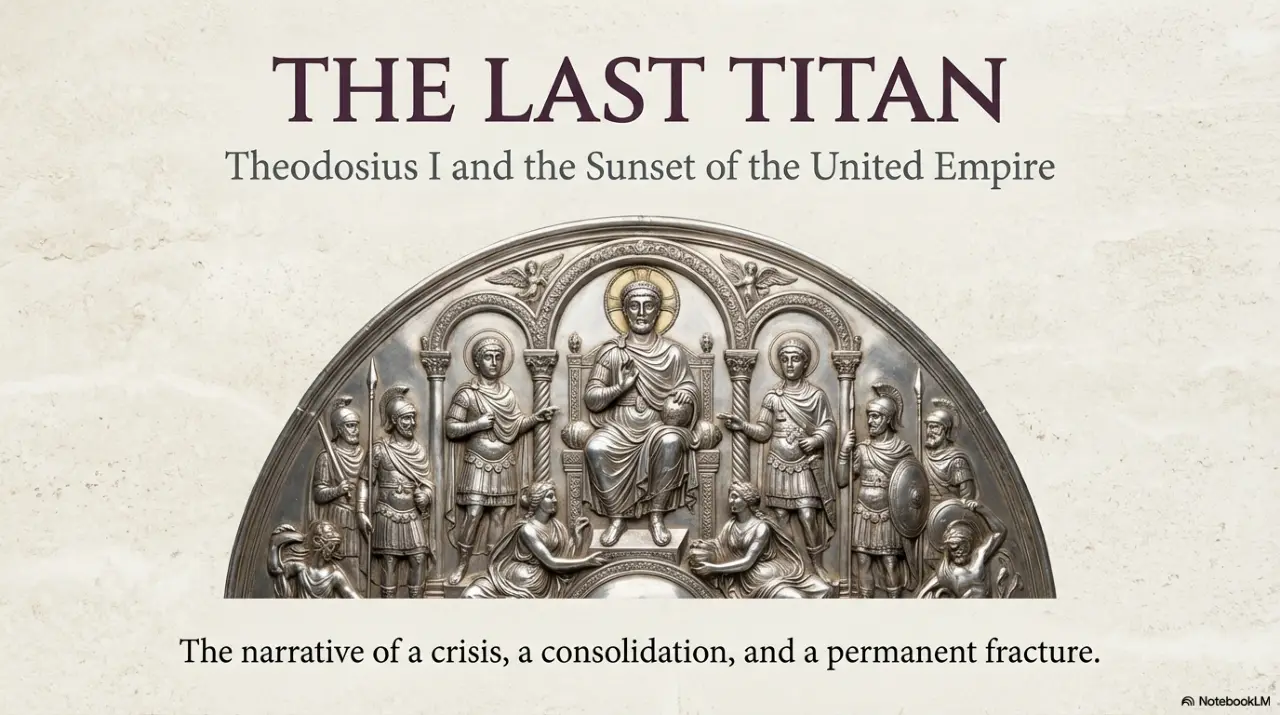 SlidesNotebookLMThe Last Titan Roman Sunset
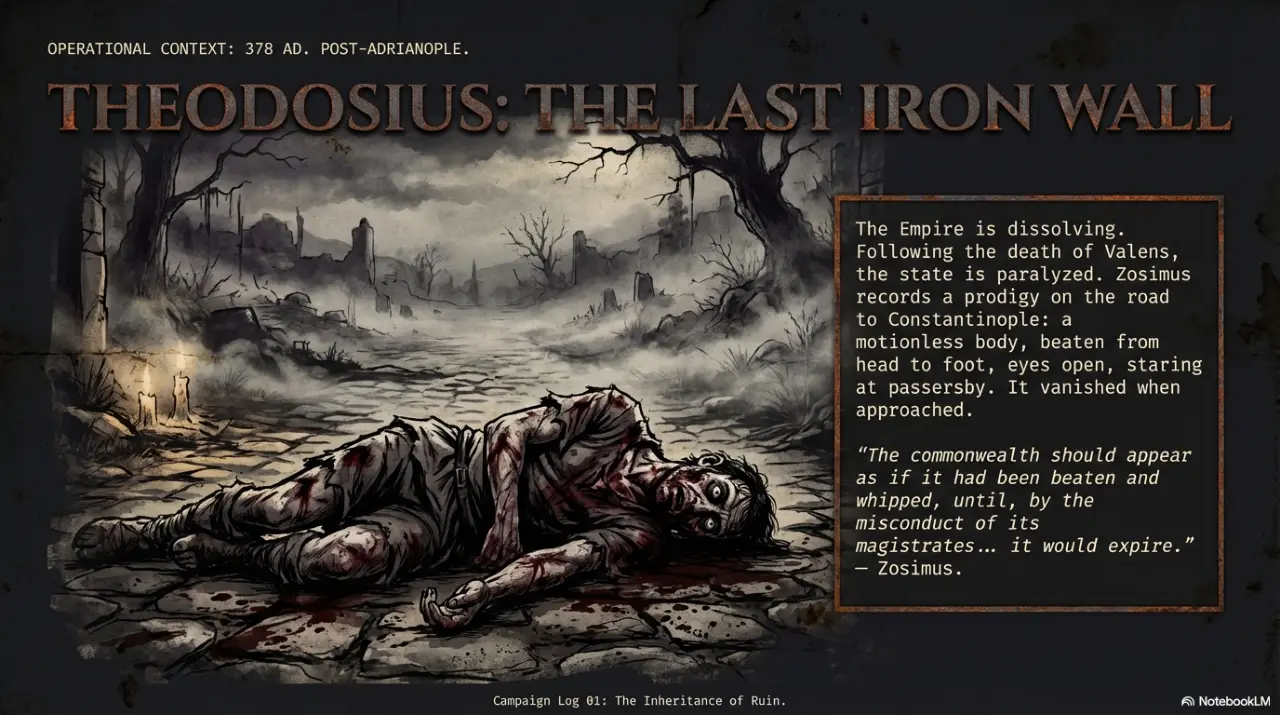 SlidesNotebookLMTheodosius Last Iron Wall
 SlidesNotebookLMJustice Betrayed War Unwon