Figures · Collegial emperors Constantine and his successors
RF-091 Maximian
Life and career
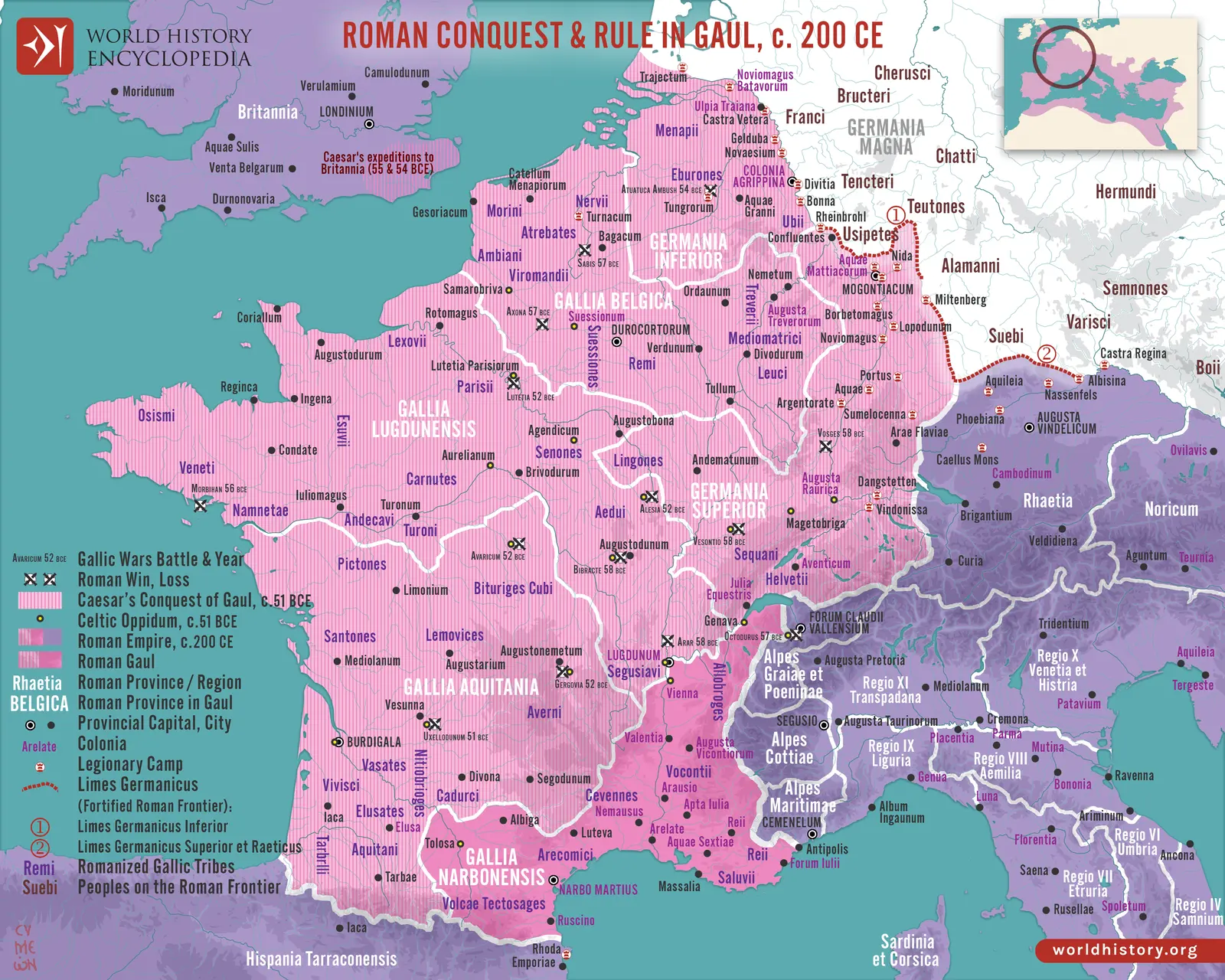
Maximian shared rule with Diocletian and represented the western military half of the senior imperial partnership. Campaigns in Gaul, frontier defense, the problem of Carausius in Britain, and operations in North Africa required repeated movement and delegation. The title Herculius gave his public role a divine association complementary to Diocletian's Jovian presentation. Joint abdication in 305 CE attempted to subordinate personal rule to a planned succession, but his return to politics exposed the continuing power of family interests and accumulated prestige.
Leadership and historical significance
Relations with his son Maxentius and son-in-law Constantine changed with circumstances, ending in his death after a failed challenge to Constantine. His dossier shows both the practical effectiveness of collegial emperorship and the inability of the tetrarchic design to make retired rulers and biological sons politically irrelevant. The same man could be a partner in orderly succession and an agent of its breakdown.
Landmarks
- 286 CE — Augustus.
- 305 CE — abdication.
- 306–310 CE — renewed political intervention.
- 310 CE — death.
Historical uncertainty
His several returns and resignations require careful chronology. The victor's account of his final conspiracy is not an impartial record of motives.
Connected dossiers: Diocletian, Maxentius, Constantine I, Constantius I.