Figures · Collegial emperors Constantine and his successors
RF-095 Maxentius
Life and career
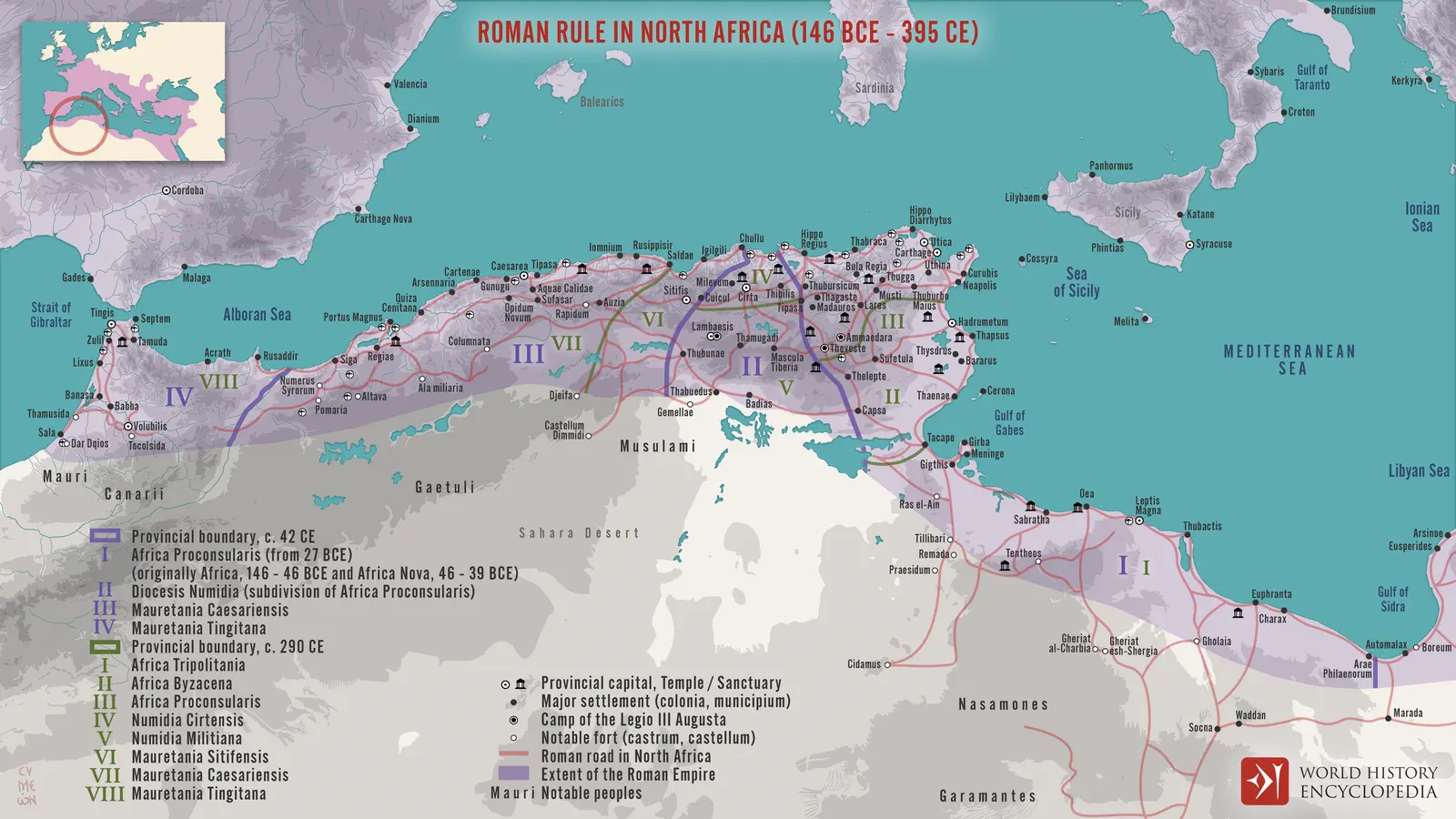
The son of Maximian, Maxentius claimed power at Rome during the breakdown of tetrarchic succession. Support from the guard and a presentation as defender of the capital gave him a political basis distinct from frontier acclamation alone. His regime sponsored major building, including the basilica later associated with Constantine, and emphasized Rome's religious and civic standing. Relations with his father and other rulers shifted repeatedly, while control of Africa became essential to provisioning and legitimacy.
Leadership and historical significance
Constantine's invasion of Italy ended with the battle at the Milvian Bridge and Maxentius's death in the Tiber. The victor's presentation made him a tyrant whose defeat appeared divinely sanctioned. His dossier restores a governing regime behind that label: an emperor using dynasty, urban support, resources, and monumental patronage in a world where several claimants could plausibly call themselves Roman rulers.
Landmarks
- 306 CE — proclamation at Rome.
- 308 CE — challenge from Maximian and imperial negotiations.
- 312 CE — Milvian Bridge and death.
Historical uncertainty
The sequence of the bridge's failure and battlefield movement is disputed. A victory narrative should not supply a complete psychological account of his decision to fight.
Connected dossiers: Constantine I, Maximian, Galerius, Licinius.