Figures · Collegial emperors Constantine and his successors
RF-098 Julian
Life and career
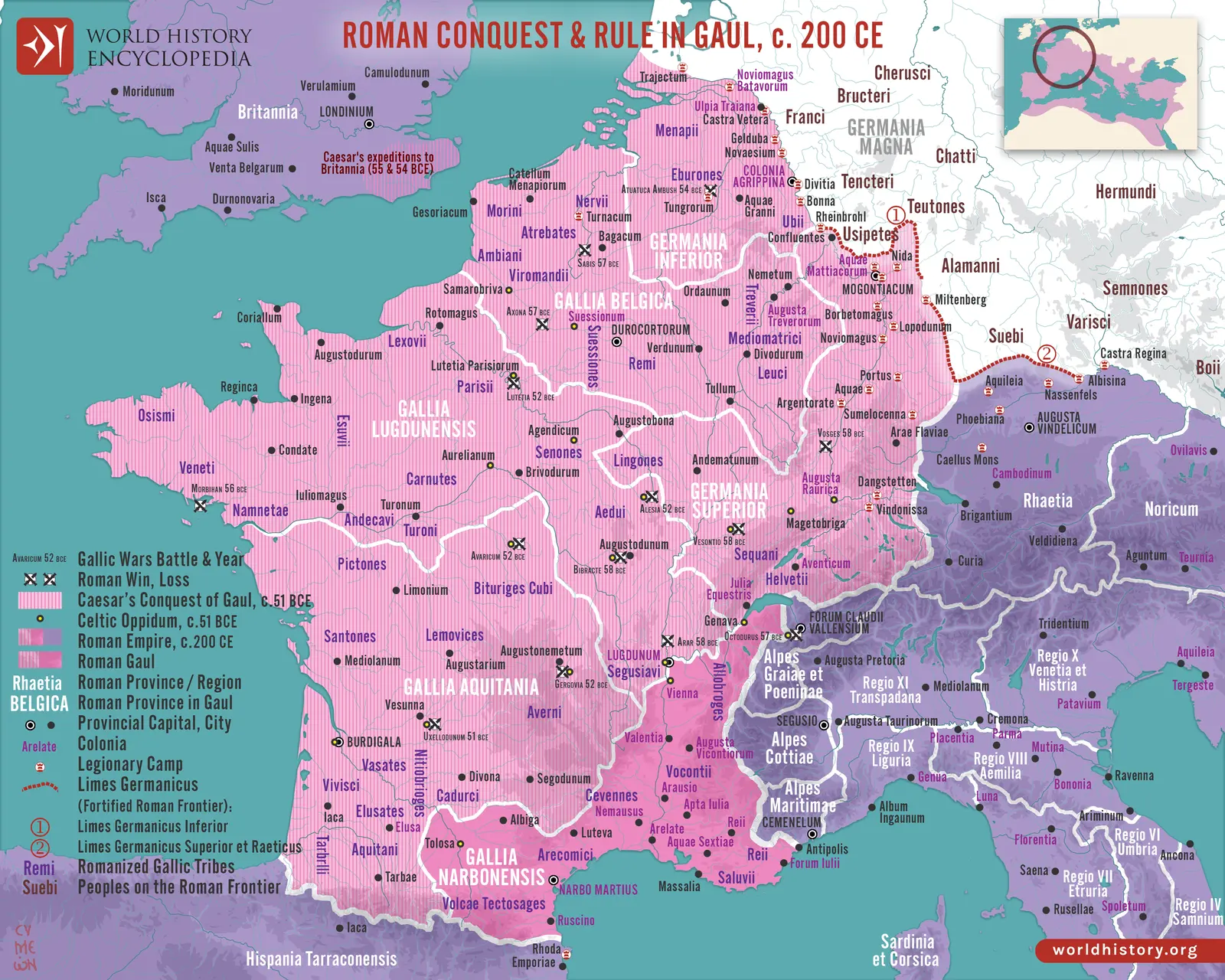
Survival of dynastic violence and a managed education shaped his view of the ruling house and religious life. Appointment as Caesar placed an apparently dependent prince in a military setting where success could generate independent acclaim. His rise in Gaul combined imperial authorization with the risk that effective service would produce a new sovereign.
Julian gained military standing in Gaul before being acclaimed Augustus by his troops. After Constantius's death he attempted to revive traditional cults and reshape the relationship between religion, education, and imperial authority. His Persian campaign reached the vicinity of Ctesiphon but ended in retreat and his death. His philosophical and polemical writings, together with detailed contemporary narrative, provide unusually rich windows onto the ambitions and frustrations of a short reign.
Leadership and historical significance
His religious project reorganized cult, moral example, charity, and education rather than restoring an unchanged past. Friction at Antioch showed how imperial austerity and urban expectations could conflict. The Persian campaign joined ambition and logistical vulnerability: reaching the enemy capital did not provide a secure route to victory. His death left later admirers and opponents free to project onto him the future that his brief reign never had time to test.
Landmarks
- 357 CE — Strasbourg.
- 360 CE — acclamation as Augustus.
- 361 CE — sole rule.
- 363 CE — Persian campaign and death.
Historical uncertainty
Ammianus admired him but records criticism as well. His alleged final words acknowledging Christ are a later Christian tradition and must not be treated as a verified deathbed statement.
Connected dossiers: Constantius II, Constantine I, Ammianus Marcellinus.