Figures · Conquest and transformation of the Republic
RF-019 Gaius Sempronius Gracchus
Life and career
Gaius inherited both his brother's political memory and the practical difficulty of turning grievance into stable legislative support. He developed programs that touched consumers, settlers, tax interests, courts, and the Italian allies. That range increased his reach but also made the coalition difficult to hold together when proposals benefited one constituency at another's expense.
Gaius developed a broader program than his brother's, including grain provision, colonization, judicial changes, and proposals affecting Rome's Italian allies. His measures sought multiple constituencies while reshaping the balance between senators, equestrians, and popular institutions. Opposition culminated in armed confrontation and a lethal crackdown under the consul Opimius. Gaius's career is central to any archive of the interaction between social policy and the expansion of emergency powers.
Leadership and historical significance
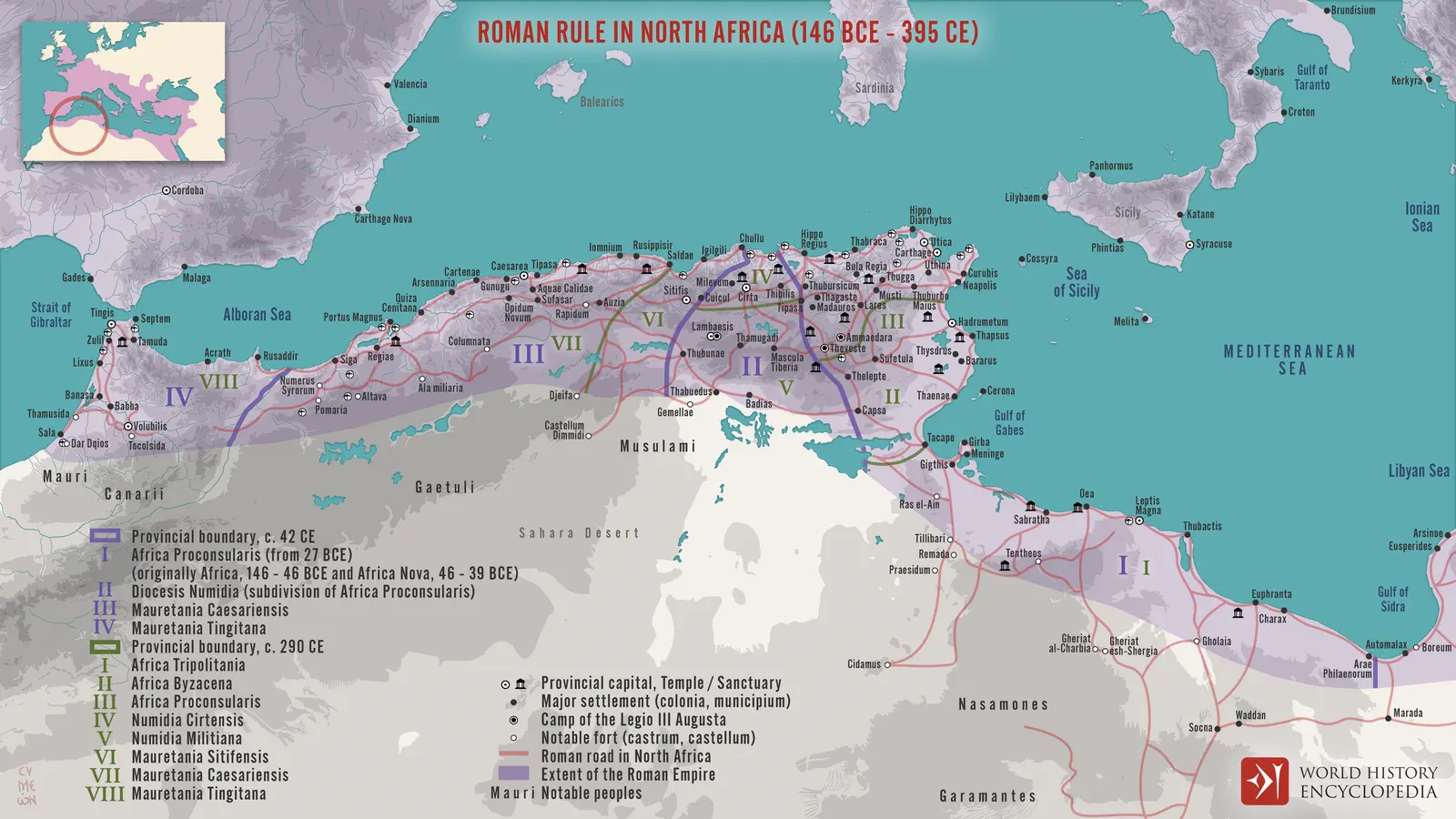
His legislative method used the tribunate to redistribute authority among institutions and status groups, rather than relying on a single measure. The colony at Carthage brought religious objection and territorial symbolism into the struggle. Opponents could compete through alternative popular offers as well as senatorial obstruction. The final repression demonstrated that an emergency declaration might legitimate action without a conventional trial. His dossier is essential to the history of political organization, public provision, and the widening gap between lawful office and secure civic protection.
Landmarks
- 123–122 BCE — tribunates and legislative program.
- 121 BCE — confrontation and death.
Historical uncertainty
The reform program changed over time. Avoid presenting every surviving proposal as enacted law, particularly in discussions of citizenship for the Italian allies.
Connected dossiers: Tiberius Sempronius Gracchus, Gaius Marius.