Figures · Historians writers and custodians of Roman memory
RF-136 Gaius Sallustius Crispus
Life and career
Sallust participated in the politics he later diagnosed. His historical introductions place the narrator at a reflective distance from public life, but the act of withdrawal itself becomes a claim to moral authority. Accounts of ambition and greed give a unifying explanation to conflicts whose participants also had concrete institutional and economic grievances.
Sallust's monographs on Catiline and Jugurtha turn particular conflicts into arguments about ambition, corruption, and the moral condition of the Roman elite. His political experience and connection to Caesar make him an involved interpreter of the late Republic. Speeches, character contrasts, and compressed narrative give the works explanatory force but demand close attention to composition. His fragmentary Histories also matter for the post-Sullan period.
Contribution and historical significance
The paired portraits of Caesar and Cato show that moral distinction did not belong exclusively to one political side. Jugurtha's success through bribery exposes the international consequences of competition at Rome. His lasting influence lies in the compact combination of causation and character, a style that can illuminate political behavior while tempting readers to accept a literary diagnosis as a complete social explanation.
Landmarks
- 63 BCE — Catilinarian conspiracy, the subject of a later monograph.
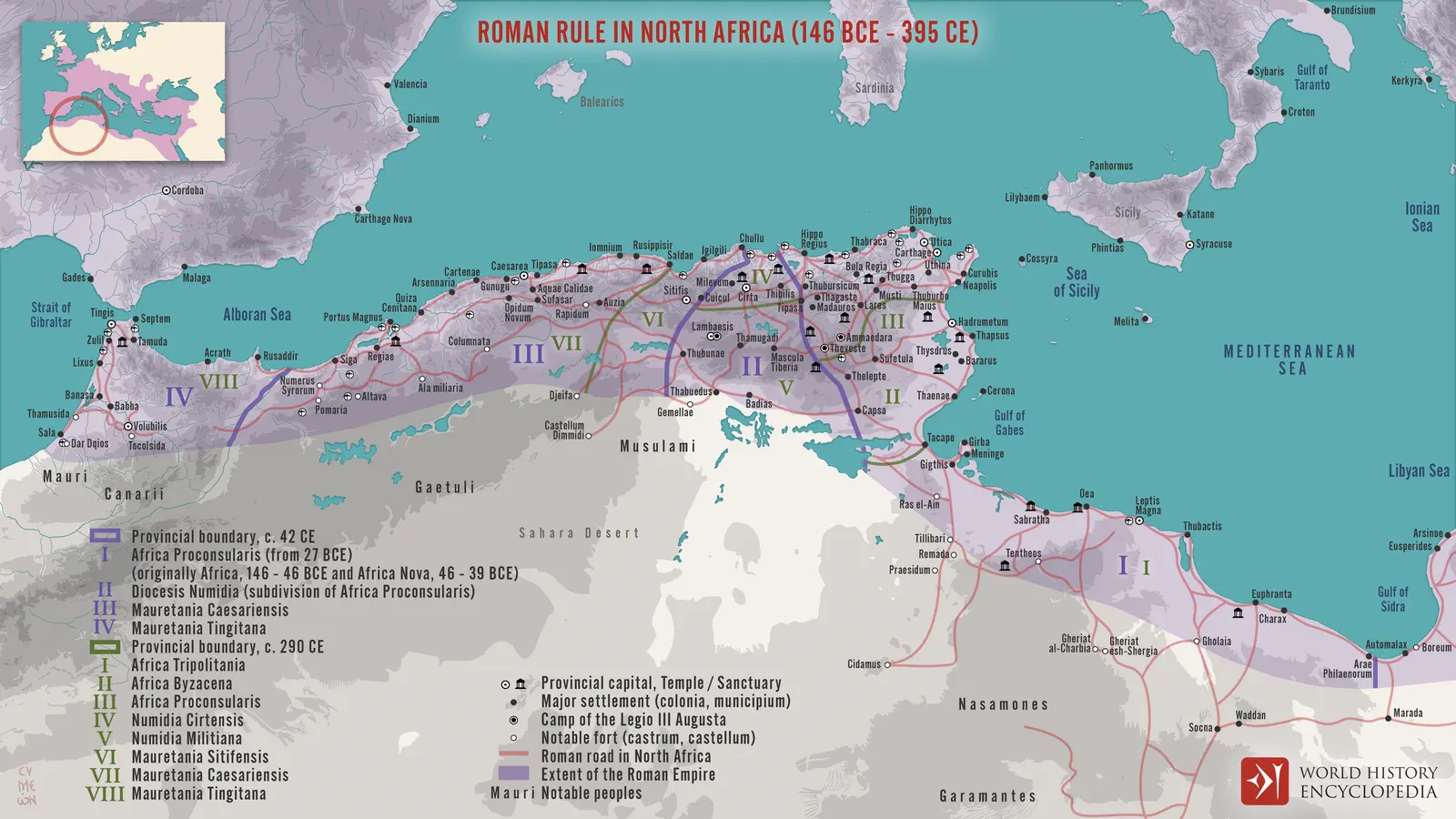
- 46 BCE — governorship in Africa.
- Later career — historical writing.
Historical uncertainty
His speeches are literary constructions. A narrative condemning corruption does not independently establish the author's own disinterest or supply a complete picture of non-elite political aims.
Connected dossiers: Lucius Sergius Catilina, Gaius Marius, Marcus Tullius Cicero, Gaius Julius Caesar.