The data
Roman Emperors and Major Political Events (Foundation to 500 AD)
In the text Book VIII · Epilogue: The Audit of the Eight Hundred Years
| Ruler or Figure | Years of Reign | Method of Accession | Major Wars and Conquests | Key Domestic Acts or Policies | Fate or Cause of Death | Character Summary | Source |
|---|---|---|---|---|---|---|---|
| Romulus | 37 years | Founder of the city | Conquered the Caeninenses, Antemnates, Crustumini, Sabines, Fidenates, and Vejentes. | Chose a hundred older men to name as senators; seized young women from neighboring tribes for wives. | Deified (believed translated to the gods) after disappearing in a tempest. | Regarded as the first founder of Rome and son of Mars. | 1 |
| Numa Pompilius | 43 years | Elected king | Engaged in no wars. | Established laws and customs; divided the year into ten months; founded sacred rites and temples. | Died a natural death. | Of no less service to the state than Romulus; transformed the Romans from robbers to a civilized state. | 1 |
| Tullus Hostilius | 32 years | Succeeded to the throne | Conquered the Albans; overcame the Vejentes and Fidenates. | Increased city dimensions by adding the Coelian hill. | Struck by lightning and consumed together with his house. | Re-commenced war following Numa's peaceful reign. | 1 |
| Ancus Martius | 24 years | Succeeded (grandson of Numa) | Fought against the Latins. | Added Aventine and Janiculan hills; founded Ostia on the sea-coast. | Died a natural death. | Grandson of Numa who expanded the city's infrastructure. | 1 |
| Priscus Tarquinius | 38 years | Invested with government | Conquered the Sabines; first to enter the city in triumph. | Doubled senators; built the Circus and commenced the Capitol; built walls and sewers. | Killed by the sons of Ancus. | A builder king who expanded the Senate and territorial land. | 1 |
| Servius Tullius | 45 years | Placed on the throne | Defeated the Sabines. | Instituted the census; annexed the Quirinal, Viminal, and Esquiline hills; formed trenches around walls. | Cut off by the machinations of his son-in-law Tarquin the Proud. | First to record the citizen count (84,000); son of a captive woman. | 1 |
| Lucius Tarquinius Superbus | 25 years | Seized power through criminal machinations | Overcame the Volsci; reduced Gabii and Suessa Pometia; built Jupiter's temple in the Capitol. | Tyrannical rule ending in expulsion after his son offered violence to Lucretia. | Forced into flight; died in private station at Tusculum 14 years later. | The seventh and last king, whose pride led to the end of the monarchy. | 1 |
| Diocletian | 20 years | Conferred by the army | Subdued Achilleus in Egypt; various wars in conjunction with Maximian against Carpi and Sarmatians. | Divided the empire into four; introduced royal ceremonies/adoration; heavy taxation and price limiting ordinance. | Voluntarily abdicated; died of grief and illness in retirement. | A crafty and sagacious author of misery who introduced the tetrarchy. | 1, 2 |
| Galerius | 18 years | Appointed Caesar by Diocletian; became Emperor upon Diocletian's abdication. | Victory over Narseus and the Persians in Armenia. | Instigated the Great Persecution of Christians; imposed severe capitation taxes; reduced Pretorian Guards. | Died of a horrible malignant ulcer and putrefaction. | A man of native barbarity and unbounded arrogance, known as a persecutor. | 1, 2 |
| Constantine | 31 years | Proclaimed Emperor in Britain by the soldiers. | Defeated Maxentius at the Milvian Bridge; overthrew Licinius; conquered Goths and Franks. | Restored Christian worship; founded Constantinople; enacted many laws. | Died a natural death at Nicomedia; deified. | A man of great energy and military success who transformed the state into a Christian empire. | 1, 2 |
More from “Roman Wars of Expansion”
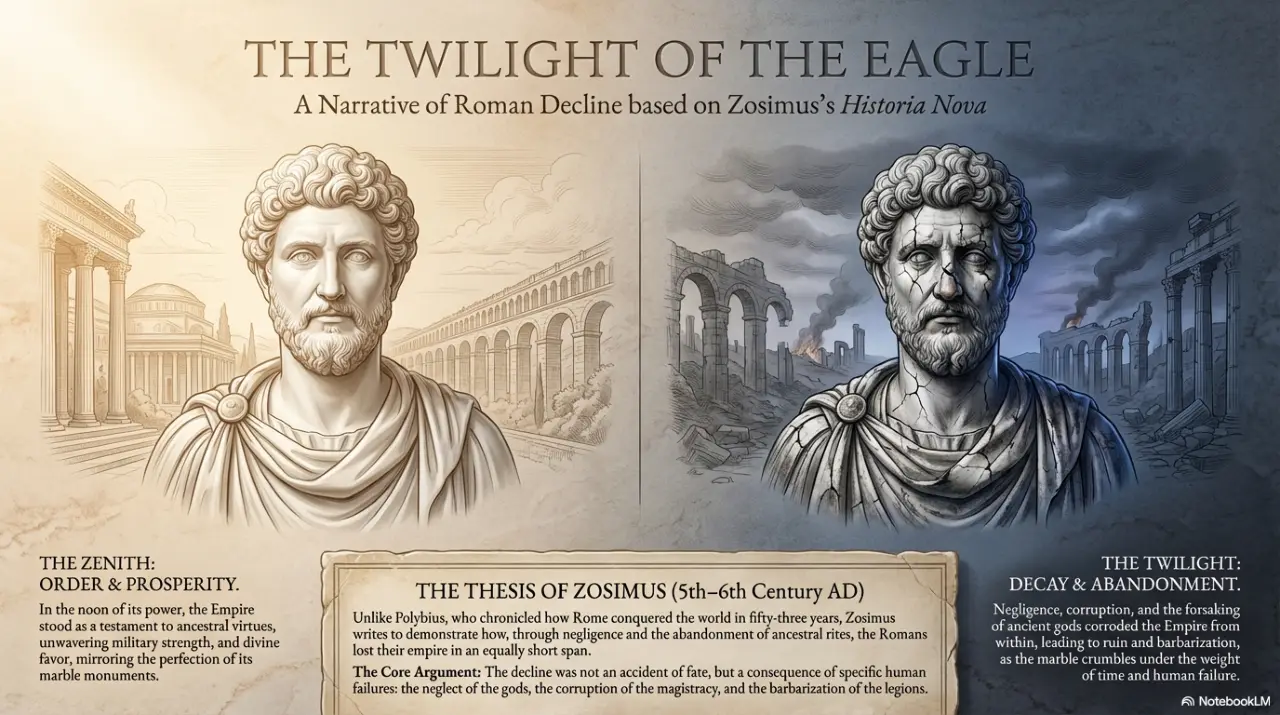 SlidesNotebookLMRome A Pagan Tragedy
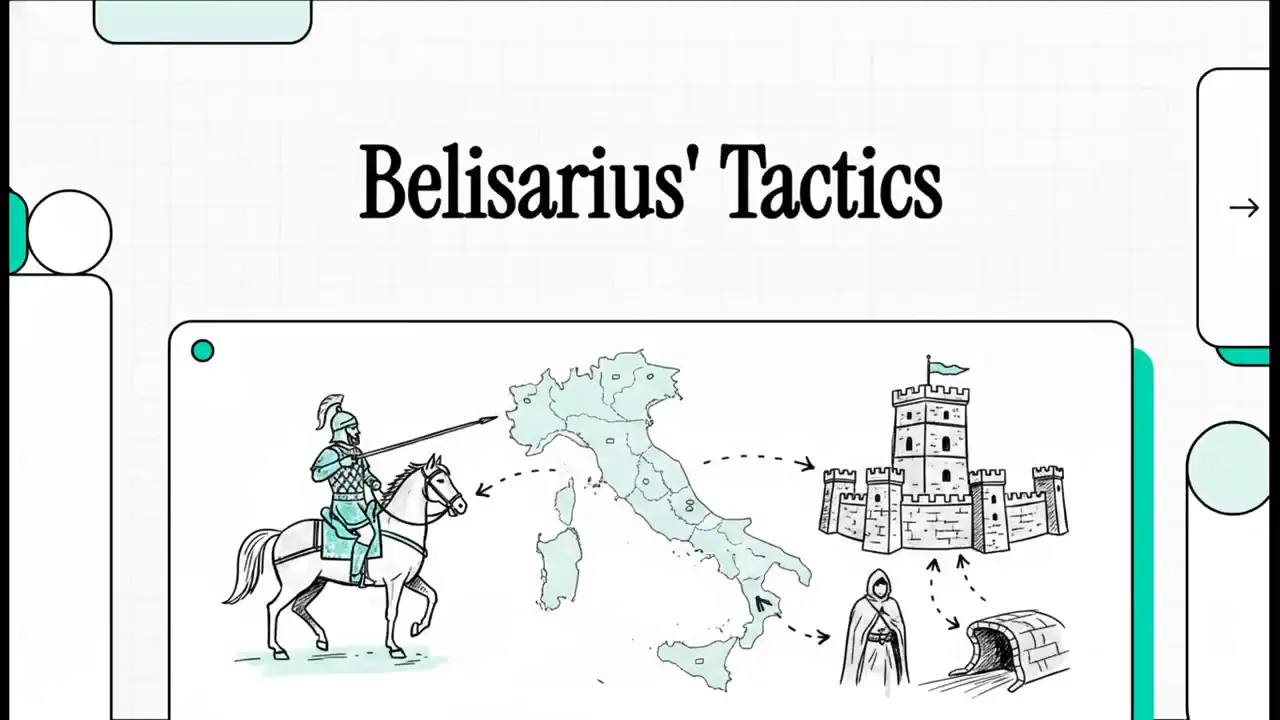 Watch · 8:43NotebookLMBelisarius' Tactics
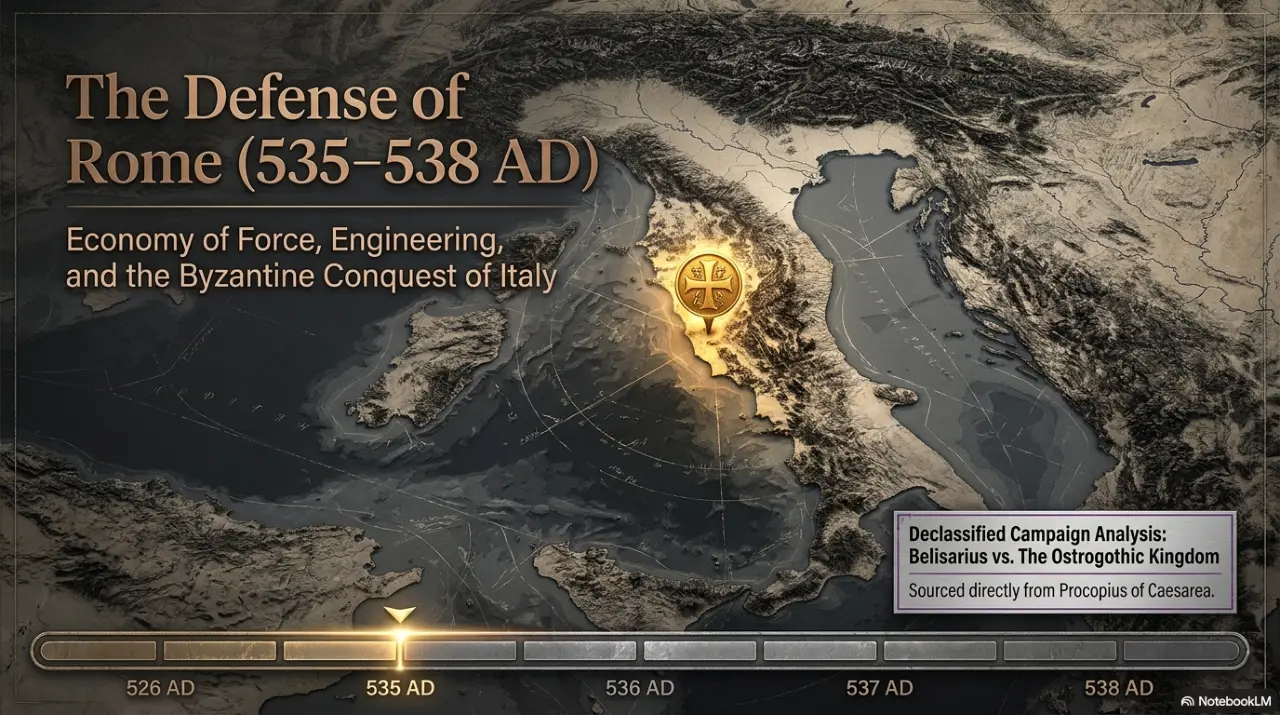 SlidesNotebookLMThe Defense of Rome
- The dataNotebookLMTimeline of Major Military Engagements and Events (474-538 A.D.)
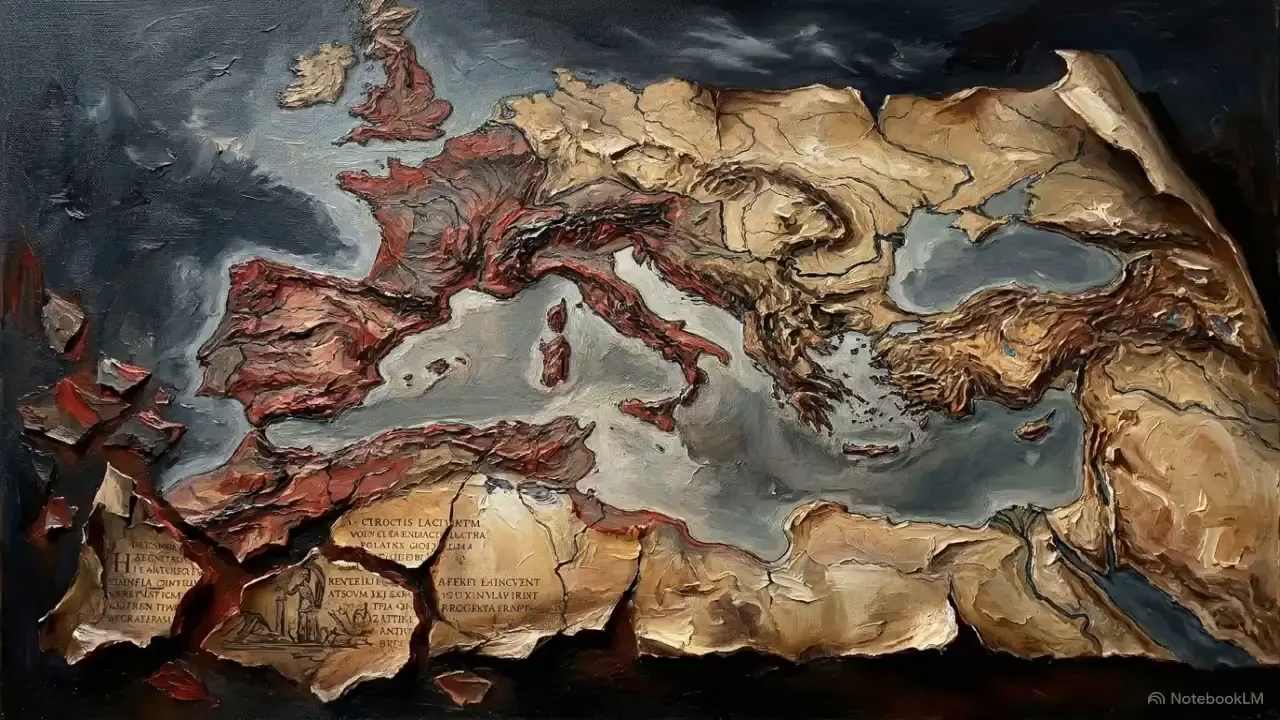 Watch · 7:21NotebookLMThe Anatomy of Engagement
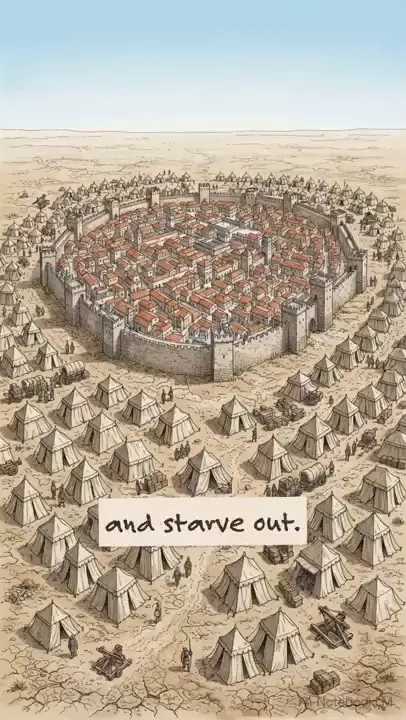 Watch · 1:06NotebookLMHow Ravenna's Tide Defended Armies
- Listen · 37:59NotebookLMBelisarius and the Impossible Defense of Rome
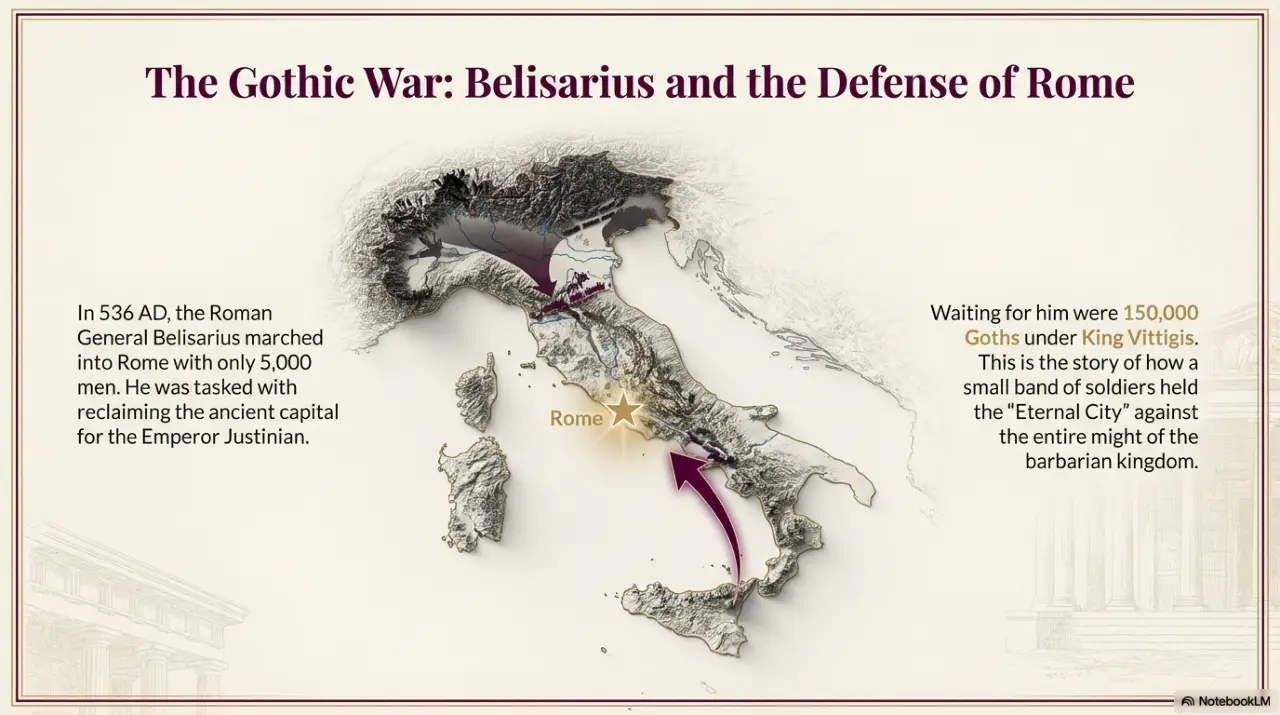 SlidesNotebookLMBelisarius The Defense of Rome
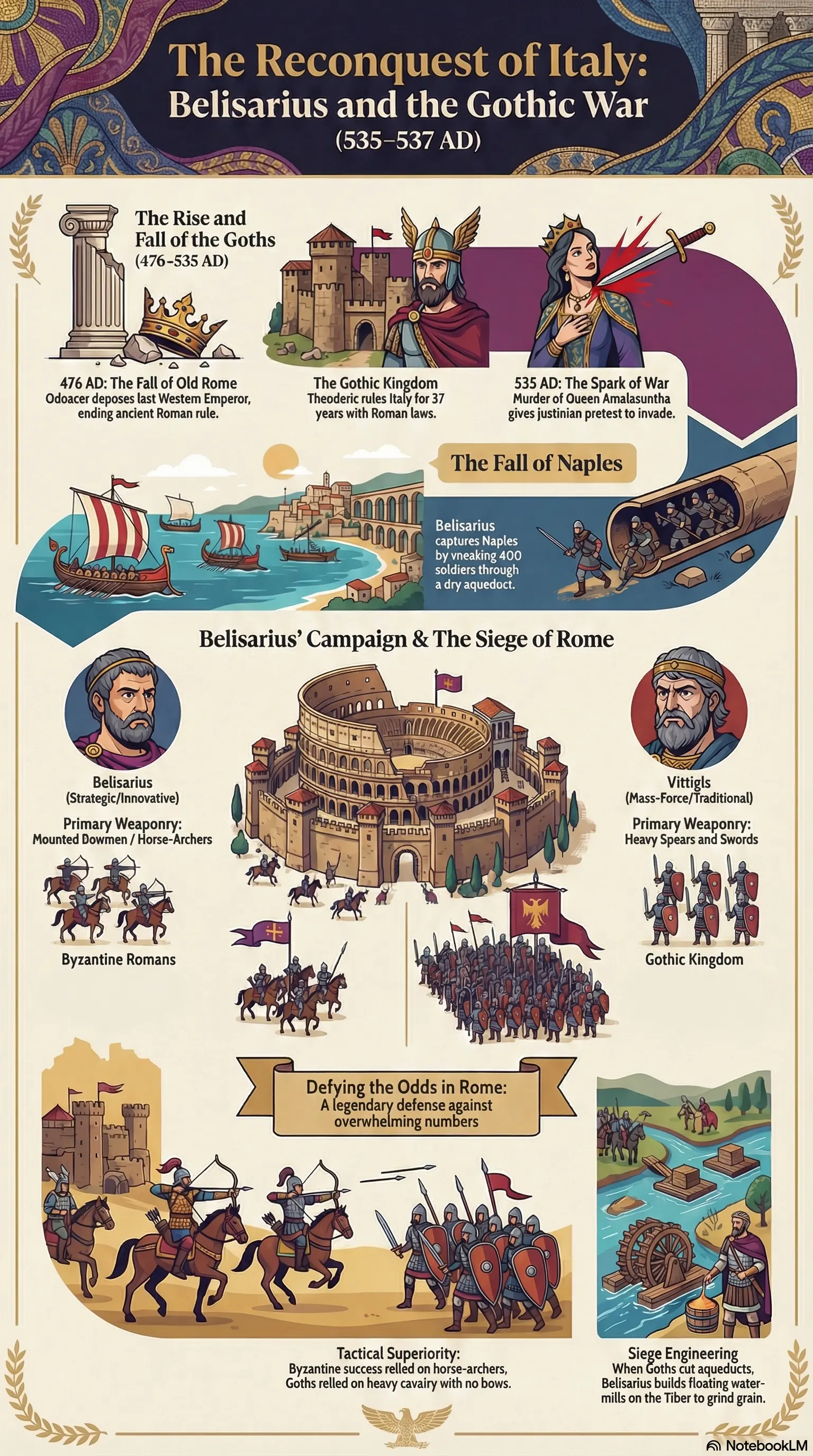 InfographicNotebookLMRome Reconquest: Belisarius' Gothic War
- The dataNotebookLMRoman Emperors and Major Political Events (Foundation to 500 AD)
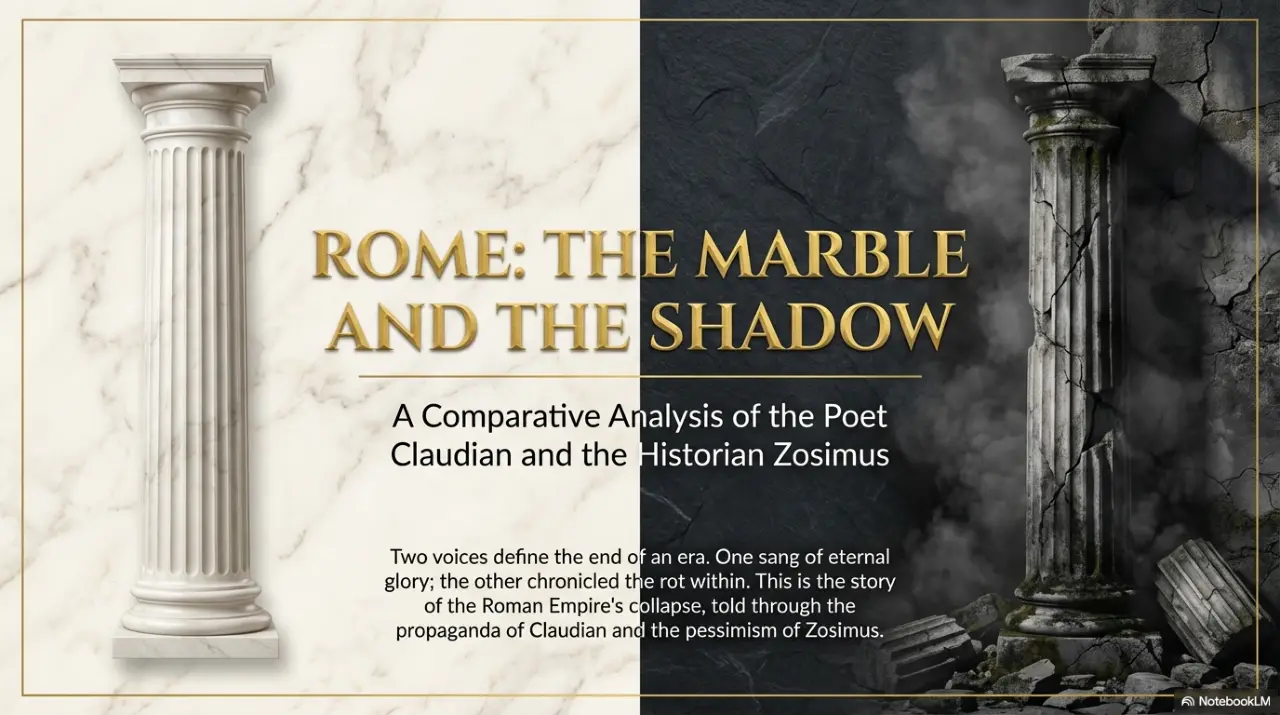 SlidesNotebookLMRome Marble and Shadow
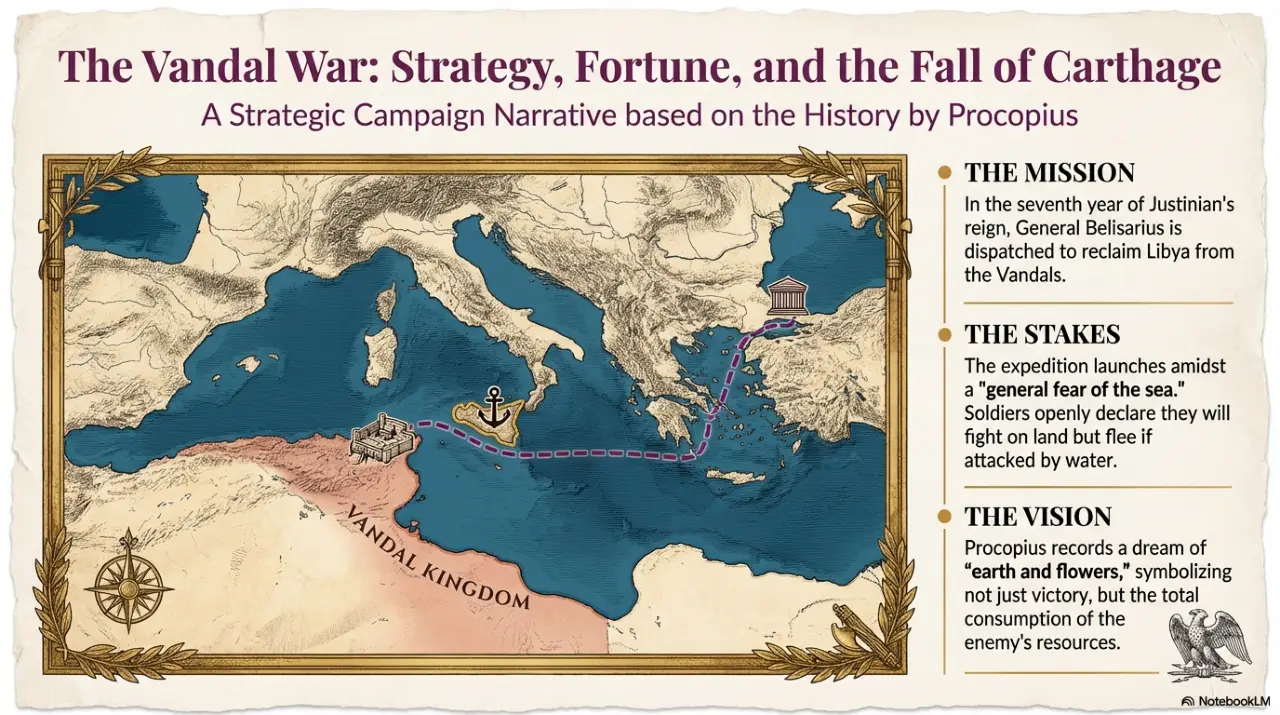 SlidesNotebookLMStrategy Luck and Carthage
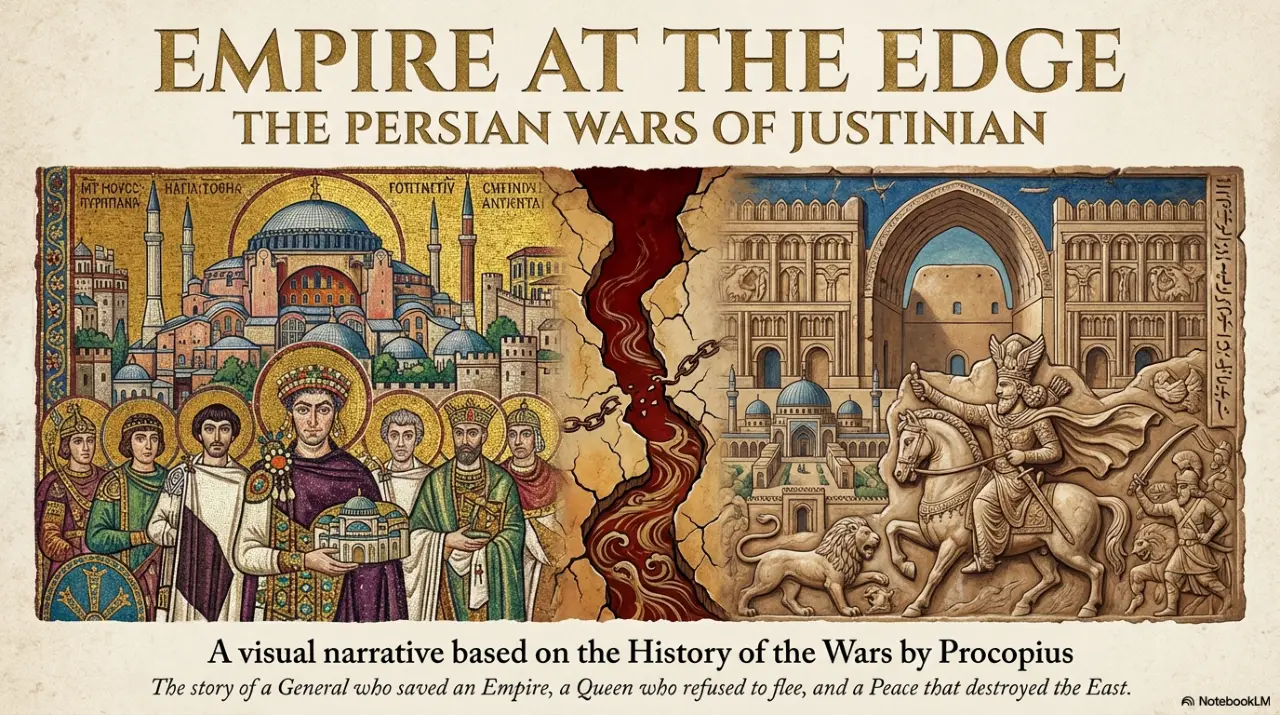 SlidesNotebookLMRome Persia War and Ruin
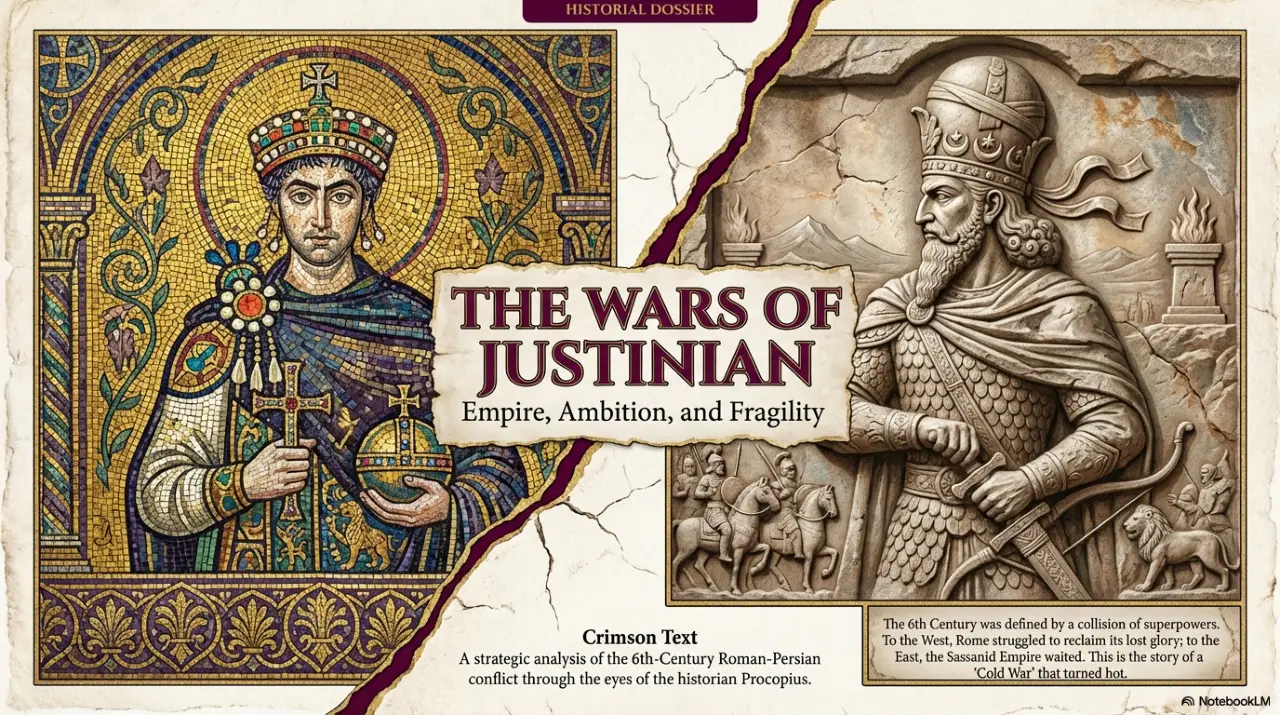 SlidesNotebookLMRome Persia and Procopius
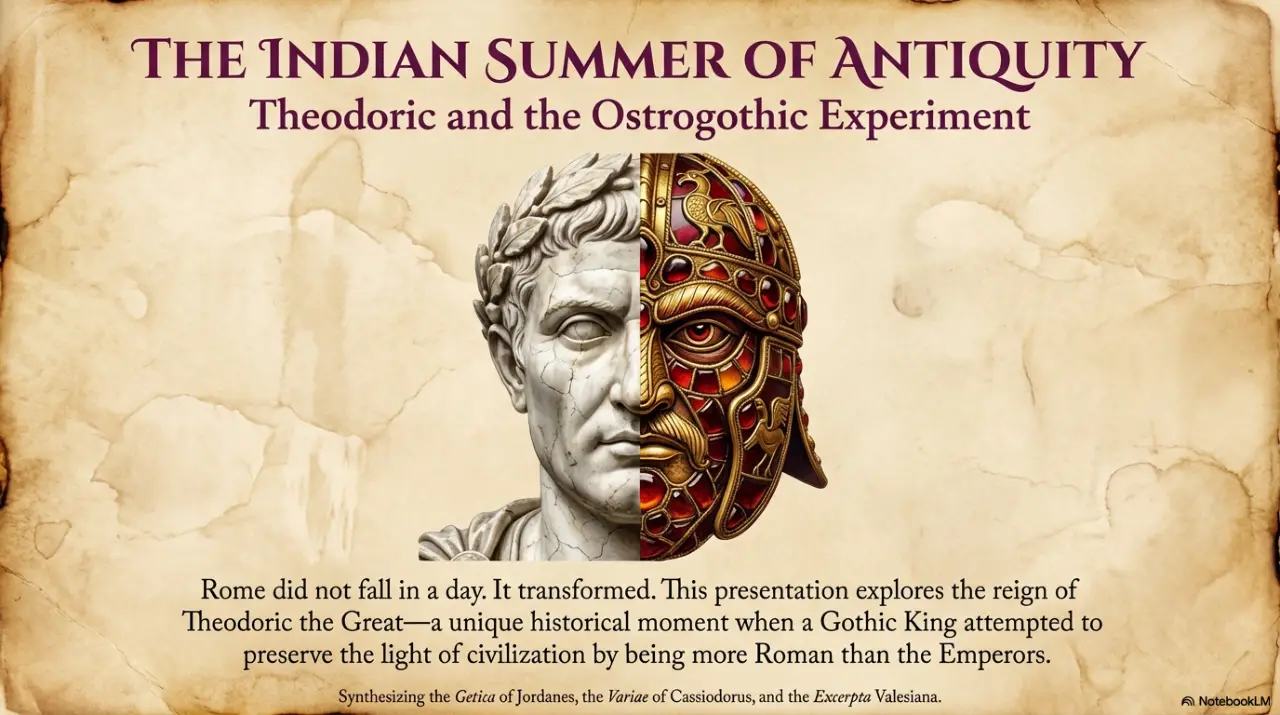 SlidesNotebookLMTheodoric The Gothic Light
 SlidesNotebookLMOrosius Mapping The Crisis
 WatchNotebookLMWindows on the Roman World
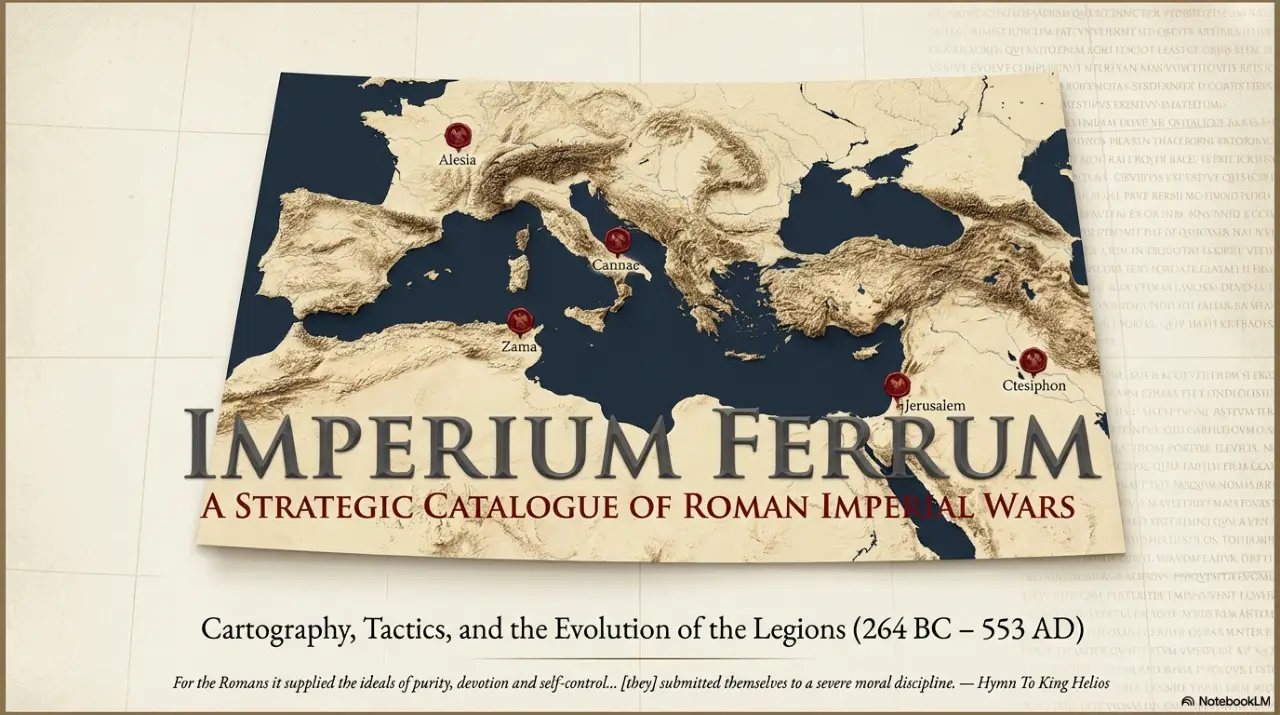 SlidesNotebookLMImperium Ferrum: A Strategic Catalogue of Rome's Wars
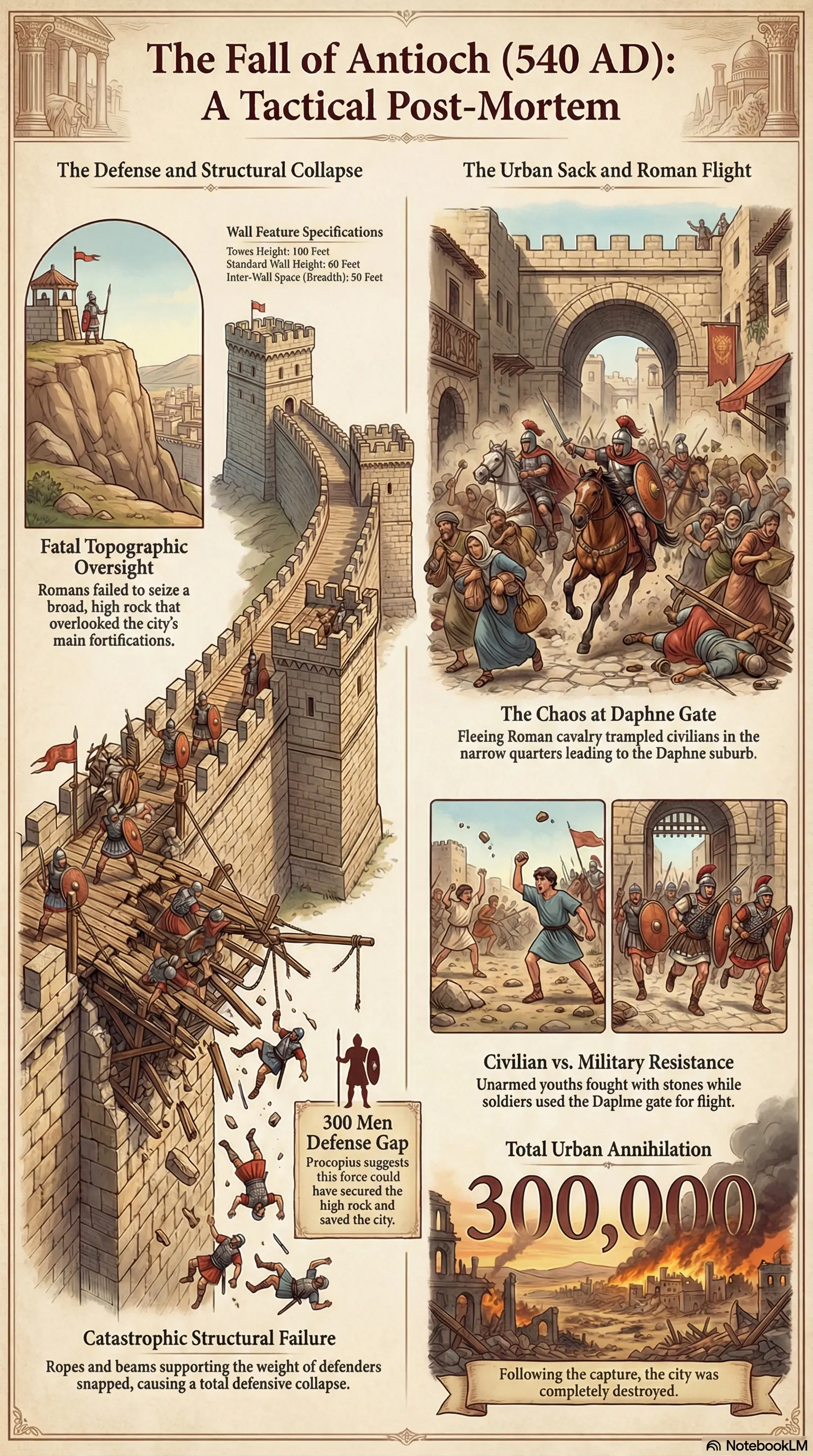 InfographicNotebookLMThe Fall of Antioch, AD 540: A Tactical Post-Mortem
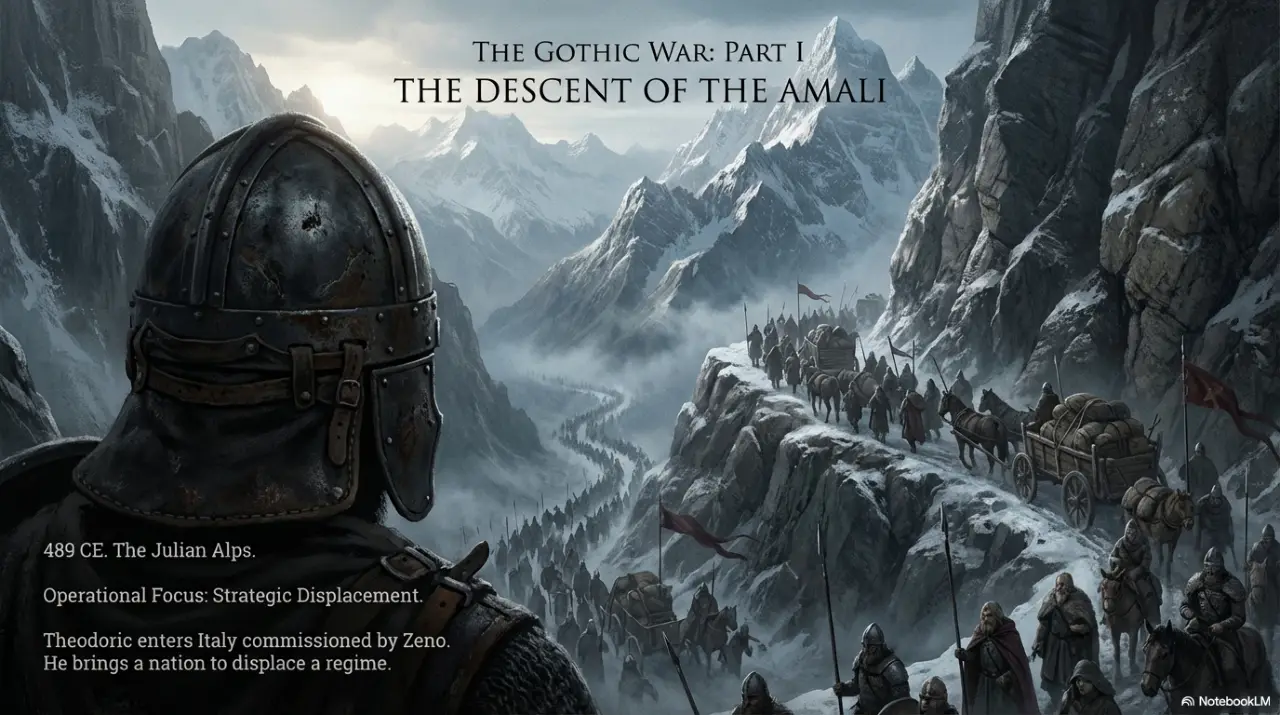 SlidesNotebookLMThe Gothic War of Theodoric, I: The Descent of the Amali
 SlidesNotebookLMThe Gothic War of Theodoric, II: The Adda, 490–493
 SlidesNotebookLMThe Battle of Verona, 489
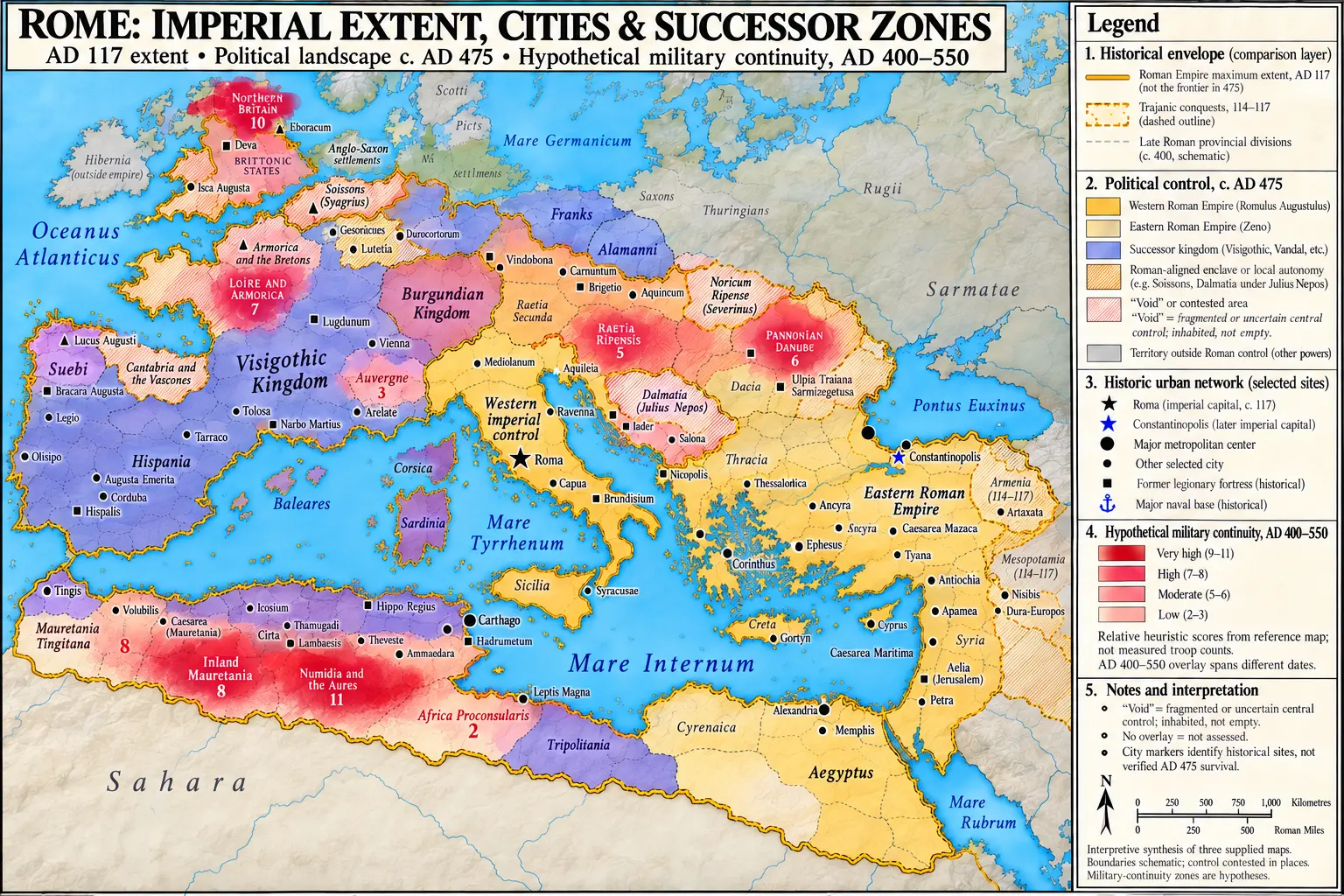 MapReconstructionRome: Imperial Extent, Cities and Successor Zones
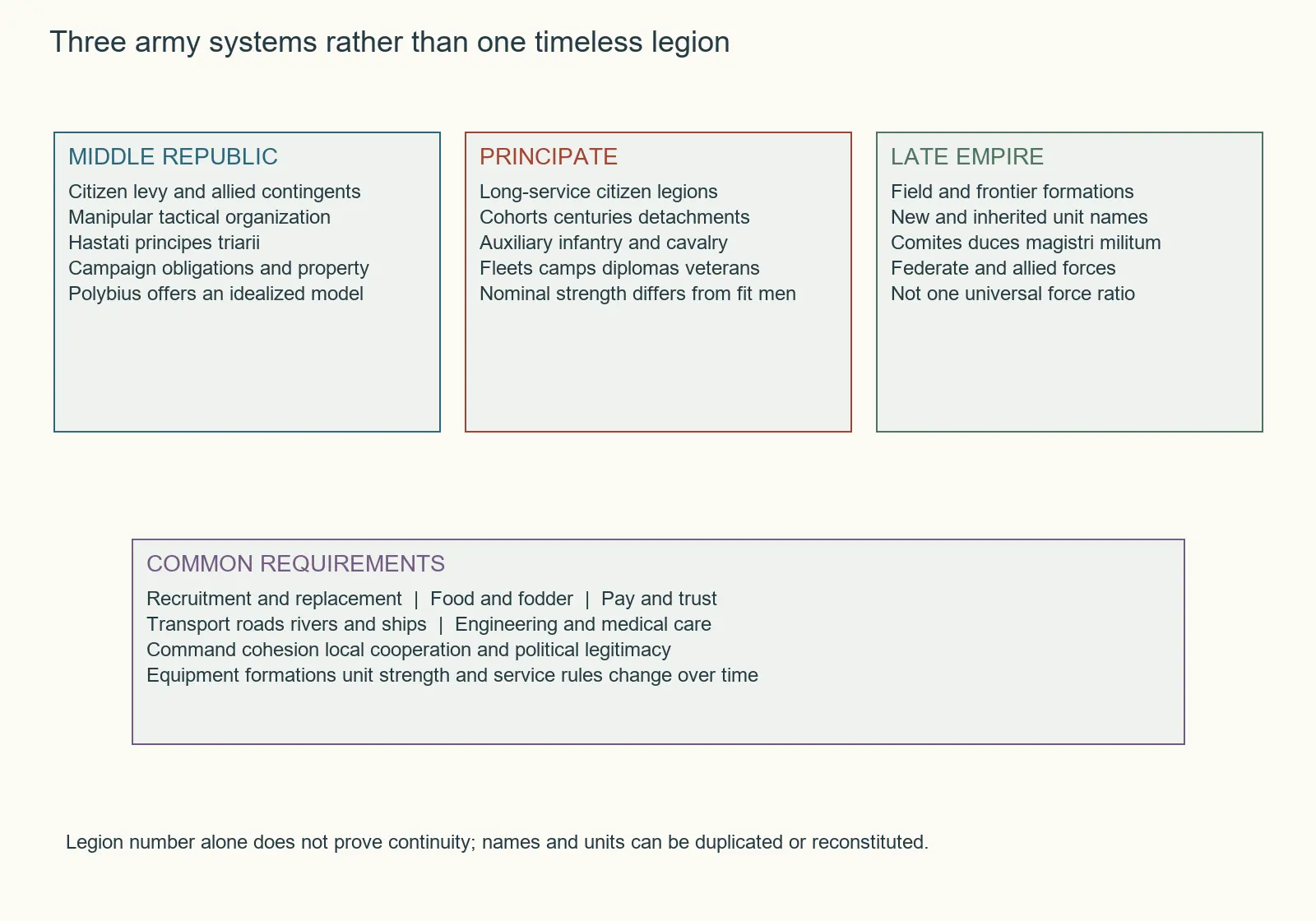 DiagramIndex ArchiveThree Army Systems, Not One Timeless Legion