The data
Timeline of Major Military Engagements and Events (474-538 A.D.)
In the text Book VIII · Epilogue: The Audit of the Eight Hundred Years
| Date | Event Category | Location | Major Figures Involved | Detailed Description of Event or Military Engagement | Outcome and Historical Significance | Source |
|---|---|---|---|---|---|---|
| July 31, 475 a.d. | Imperial Succession | Western Roman Empire | Augustulus (Augustus), Orestes | Augustulus, a young lad, takes over the empire in the West, with his father Orestes administering the state as regent. | Marks the final phase of the Western Roman Empire prior to the Odoacer coup. | 1 |
| July 28, 476 a.d. | Political Coup/Assassination | Italy | Orestes, Odoacer | Barbarian elements (Sciri, Alani, etc.) demand a third of the land of Italy. When Orestes refuses the demand, they kill him. Odoacer, a bodyguard, agrees to the terms and is set upon the throne. | Termination of the Western Roman Empire's independent line; Odoacer begins ten years of supreme power. | 1 |
| 489 a.d. | Military Invasion/Siege | Ravenna, Caesena | Theoderic, Odoacer | Theoderic leads the Gothic host into Italy, defeating Odoacer in multiple battles and laying siege to Ravenna and Caesena. Ravenna is described as unreachable by land or sea due to shoals and marshes. | The Gothic conquest of Italy begins, displacing Odoacer's regime. | 1 |
| 493 a.d. | Assassination/Political Transition | Ravenna | Theoderic, Odoacer | After a three-year siege, an agreement is mediated for both leaders to rule equally. Theoderic later invites Odoacer to a feast and treacherously slays him. | Theoderic secures sole supremacy over Goths and Italians, ruling as "rex" while maintaining Roman laws. | 1 |
| 526 a.d. | Death of Sovereign | Italy | Theoderic, Symmachus, Boetius | Theoderic dies shortly after executing Symmachus and Boetius on slanderous charges of revolution. He is reportedly struck by a prodigy (a fish's head appearing to be Symmachus) that causes a fatal fright. | End of a 37-year reign; the kingdom passes to the eight-year-old Atalaric under the regency of Amalasuntha. | 1 |
| 531 a.d. | Military Engagement | Gaul | Amalaric, Theudibert | Theudibert of the Franks attacks Amalaric of the Visigoths due to Amalaric's mistreatment of his wife (Theudibert's sister) regarding her orthodox faith versus his Arianism. | Amalaric is slain; the Franks take possession of the Visigothic portion of Gaul. | 1 |
| Oct. 10, 534 a.d. | Death of Sovereign | Italy | Atalaric, Amalasuntha, Theodatus | Atalaric dies of a wasting disease. Amalasuntha, seeking safety, invites Theodatus to the throne on the condition that she remains the actual wielder of power. | Theodatus becomes king, but immediately betrays Amalasuntha. | 1 |
| Apr. 30, 535 a.d. | Imprisonment/Assassination | Lake Vulsina | Amalasuntha, Theodatus | Theodatus imprisons Amalasuntha on an island in Lake Vulsina. Relatives of Goths she had previously executed later murder her with the consent of Theodatus. | Justinian uses this event as a pretext for the Gothic War. | 1 |
| Dec. 31, 535 a.d. | Military Triumph/Consulship | Syracuse, Sicily | Belisarius | Belisarius captures Panormus by hoisting bowmen in boats to the top of ship masts to shoot over the walls. On the last day of his consulship, he marches into Syracuse. | Sicily becomes subject and tributary to the Roman Emperor. | 1 |
| 536 a.d. | Siege and Storming of City | Naples | Belisarius, Stephanus, Magnus, Ennes | Belisarius besieges Naples for 20 days. An Isaurian discovers a way into the city through a narrow tunnel in the cut aqueduct. 400 soldiers climb an olive tree strap to enter. | Naples is captured by storm; the Gothic garrison of 800 is taken prisoner; the city remains under Roman control. | 1 |
| Dec. 536 a.d. | Capture of Rome | Rome | Belisarius, Vittigis, Leuderis, Silverius | Belisarius enters Rome through the Asinarian Gate while the Goths withdraw via the Flaminian Gate. Belisarius immediately repairs walls and adds winged merlons. | Rome returns to Roman rule after sixty years of Gothic control. | 1 |
| Feb. 21, 537 a.d. | Military Engagement | Mulvian Bridge, Rome | Belisarius, Vittigis, Visandus Vandalarius | The Goths cross the Tiber. Belisarius fights in the front ranks on a dark grey horse with a white face ("Balan"). A fierce cavalry engagement follows around the Salarian Gate. | Belisarius narrowly escapes to the city; the Goths begin the formal siege of Rome. | 1 |
| March 537 a.d. | General Assault on Rome | Rome (Salarian Gate, Vivarium, Hadrian's Tomb) | Belisarius, Vittigis, Constantinus | 18th day of the siege. Goths use wooden towers drawn by oxen. Belisarius shoots the oxen to disable the engines. Statues from Hadrian's Tomb are hurled down as missiles. Goths penetrate the Vivarium but are massacred in the cramped space. | The Gothic assault fails with 30,000 reported dead; Roman morale is significantly bolstered. | 1 |
| March 538 a.d. | Lifting of Siege | Rome, Mulvian Bridge | Belisarius, Vittigis, John | After a year and nine days, the Goths burn their camps and withdraw toward Ariminum due to the threat from John's army and famine. Belisarius attacks their rear at the bridge. | The first great siege of Rome in the Gothic War ends in a Roman victory. | 1 |
More from “Procopius Gothic War”
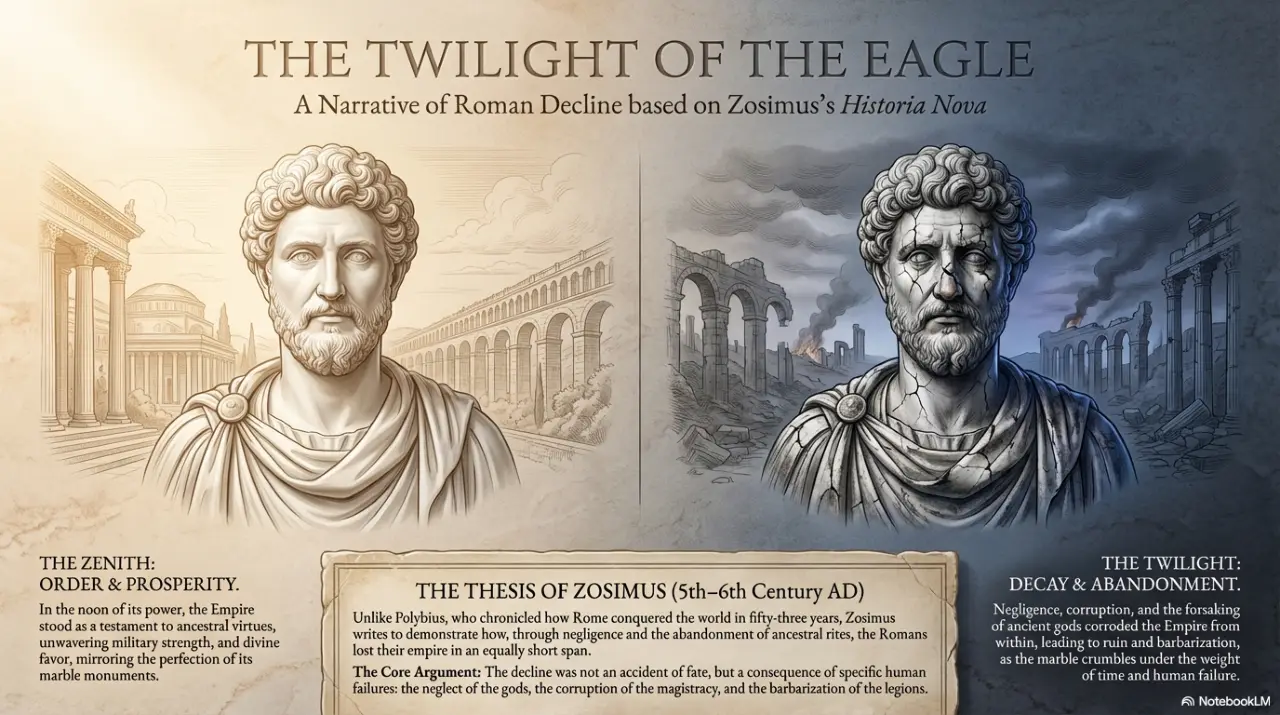 SlidesNotebookLMRome A Pagan Tragedy
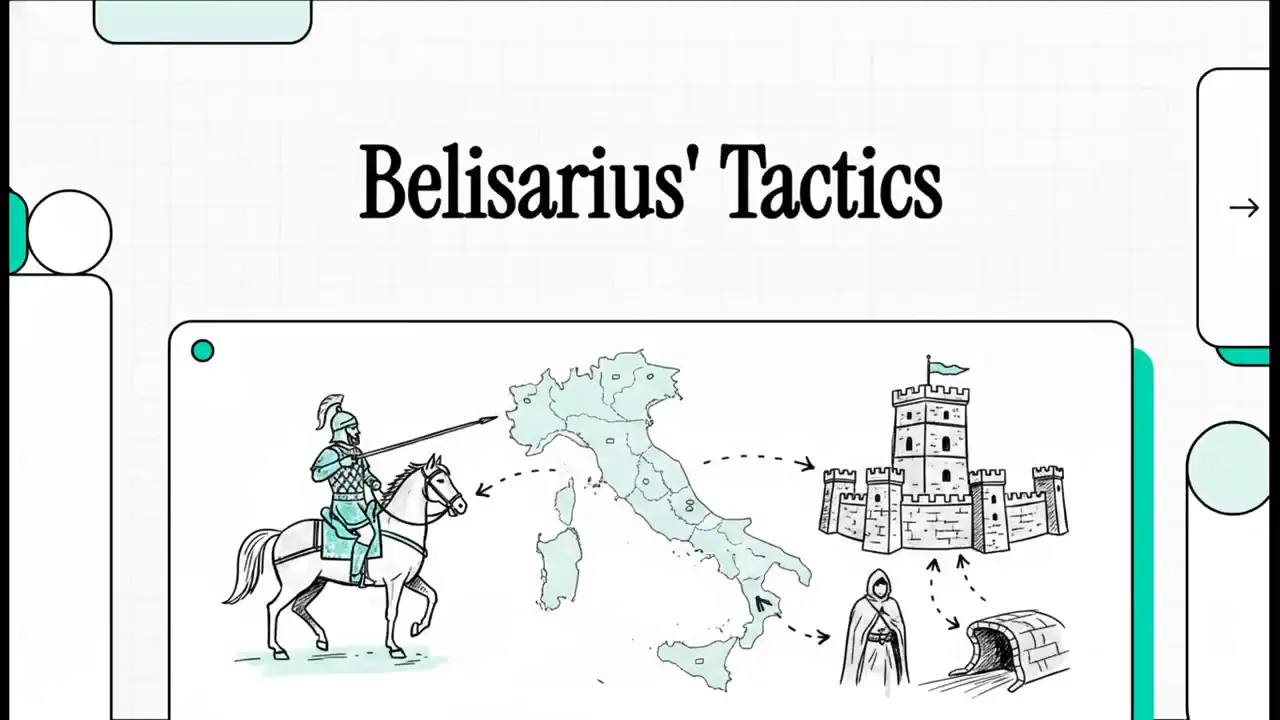 Watch · 8:43NotebookLMBelisarius' Tactics
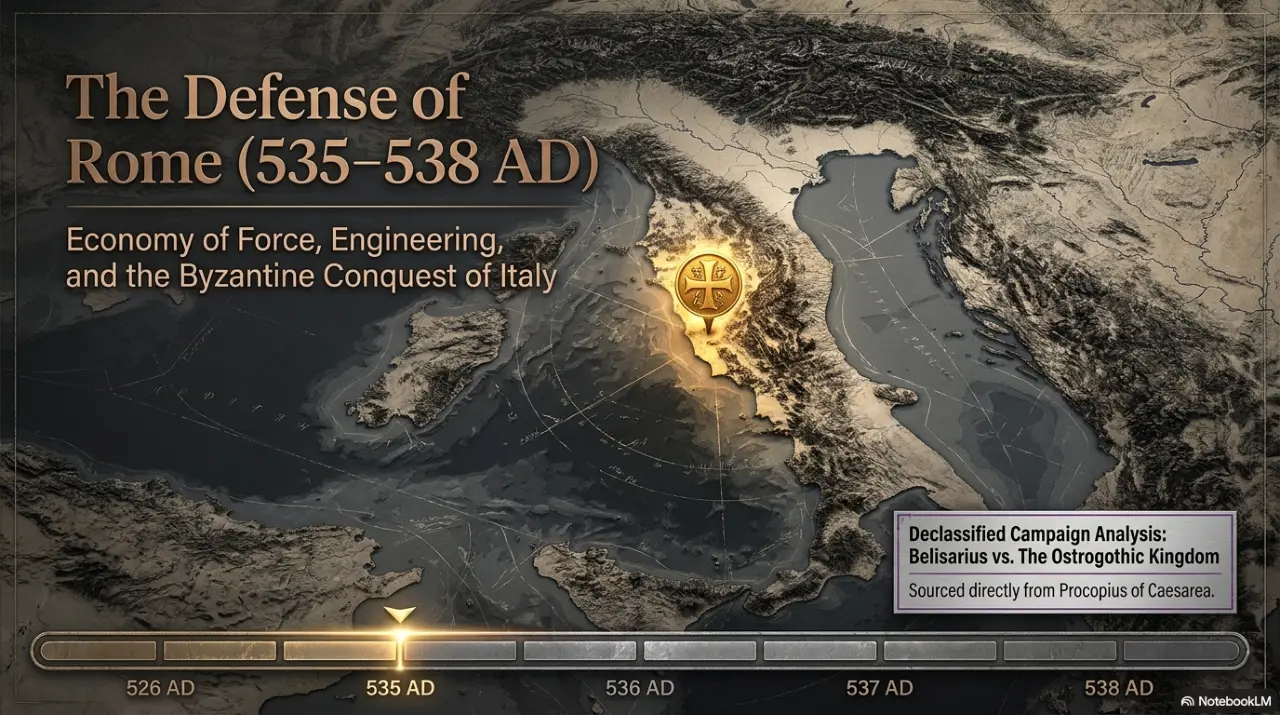 SlidesNotebookLMThe Defense of Rome
- The dataNotebookLMTimeline of Major Military Engagements and Events (474-538 A.D.)
 Watch · 7:21NotebookLMThe Anatomy of Engagement
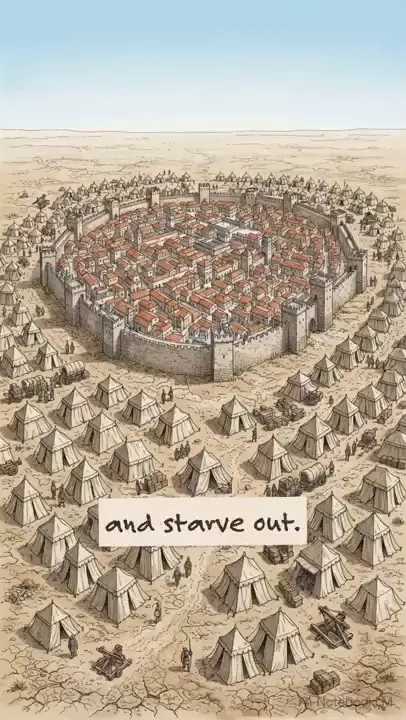 Watch · 1:06NotebookLMHow Ravenna's Tide Defended Armies
- Listen · 37:59NotebookLMBelisarius and the Impossible Defense of Rome
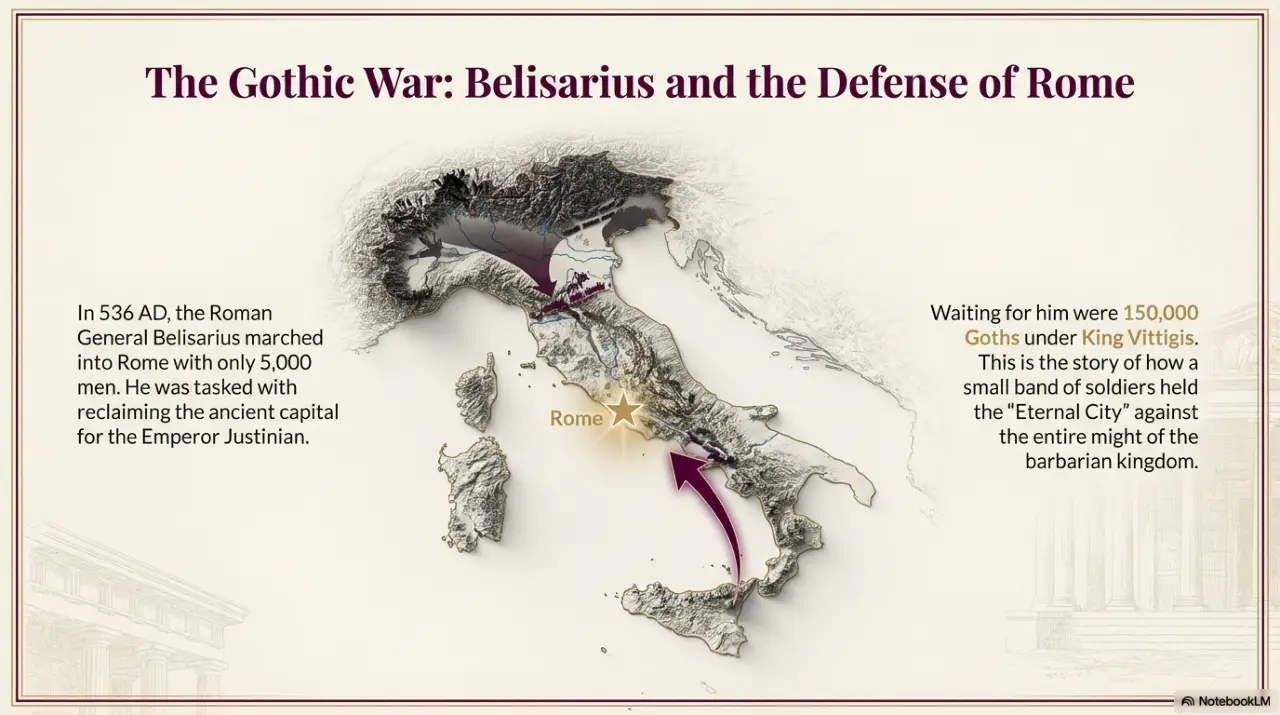 SlidesNotebookLMBelisarius The Defense of Rome
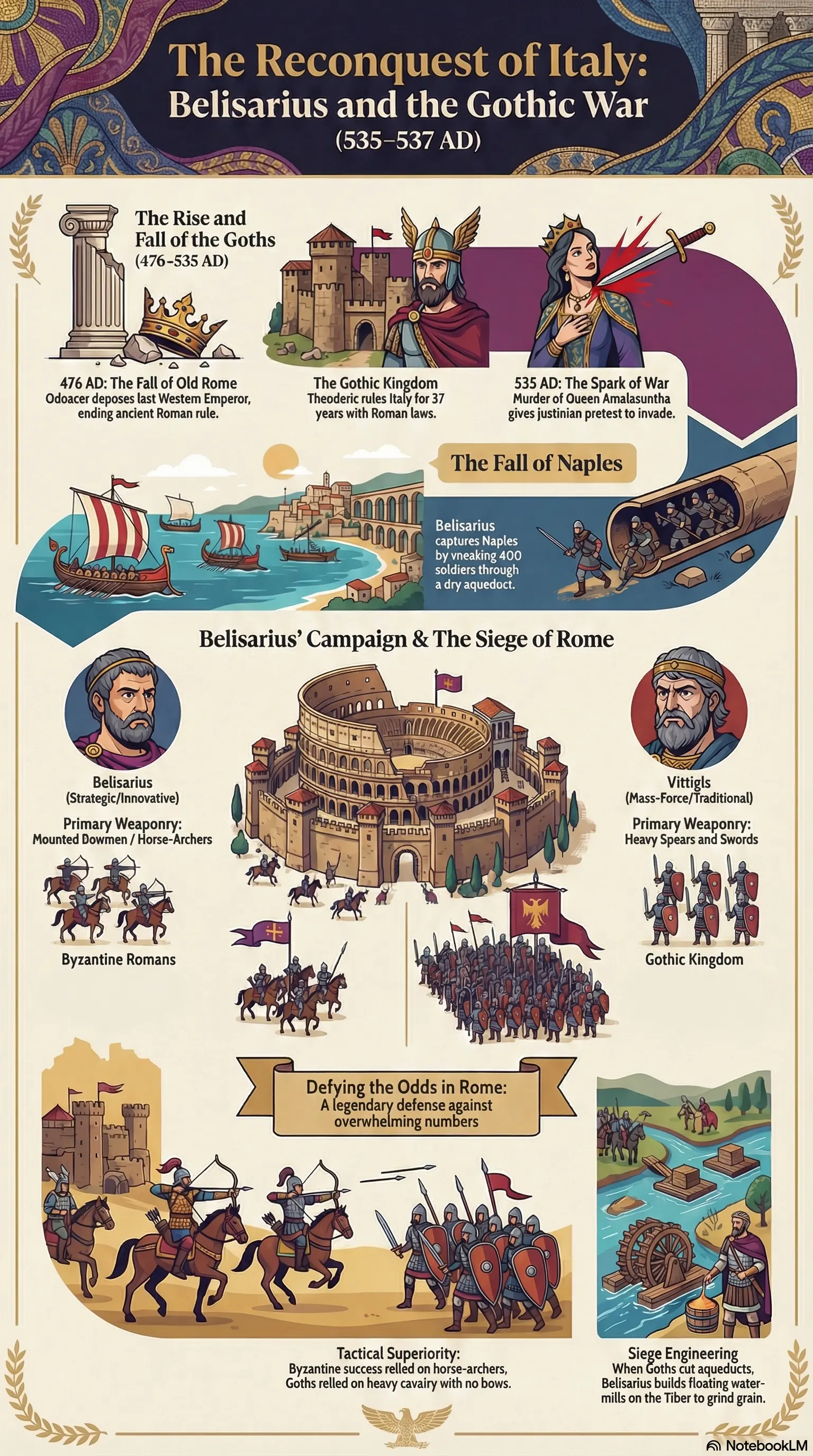 InfographicNotebookLMRome Reconquest: Belisarius' Gothic War
- The dataNotebookLMRoman Emperors and Major Political Events (Foundation to 500 AD)
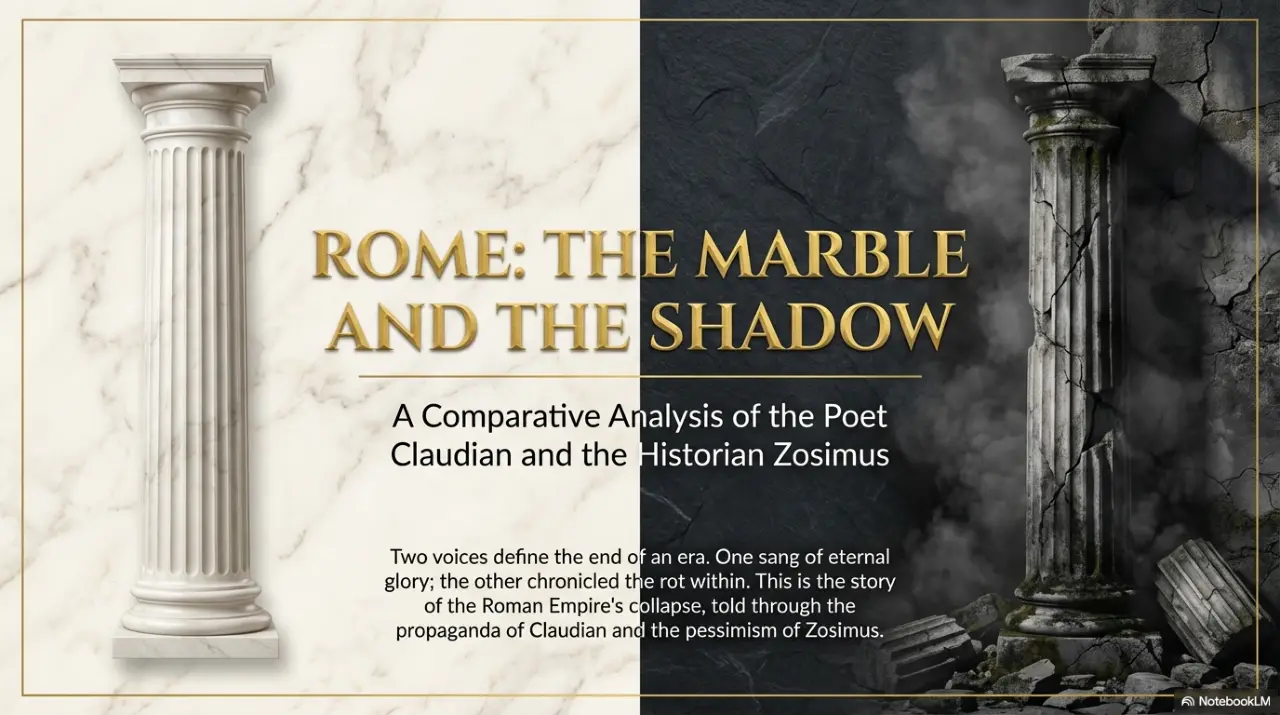 SlidesNotebookLMRome Marble and Shadow
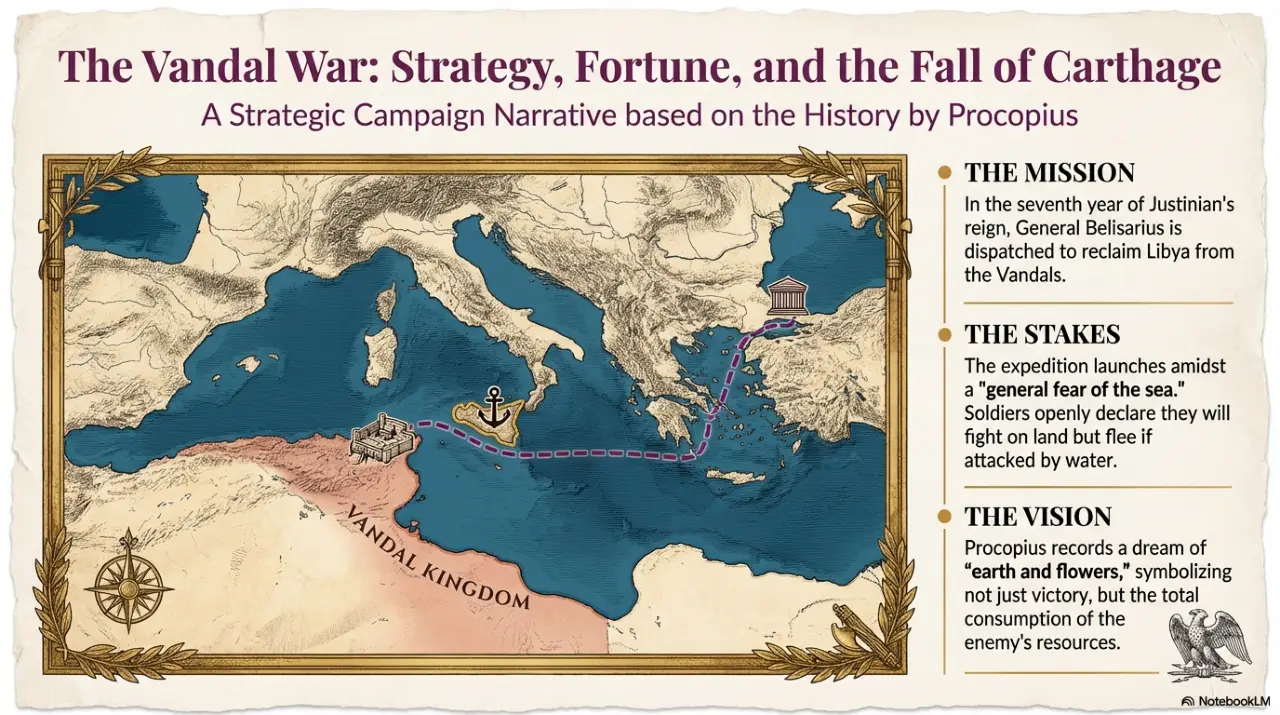 SlidesNotebookLMStrategy Luck and Carthage
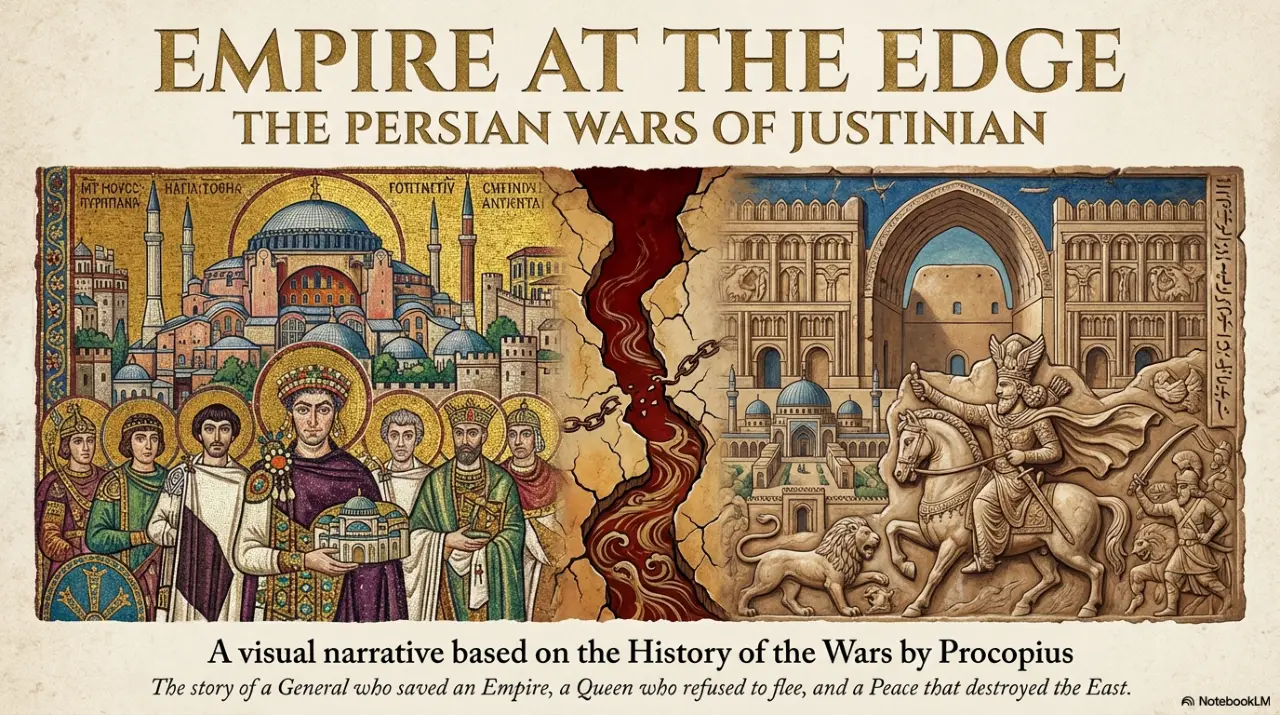 SlidesNotebookLMRome Persia War and Ruin
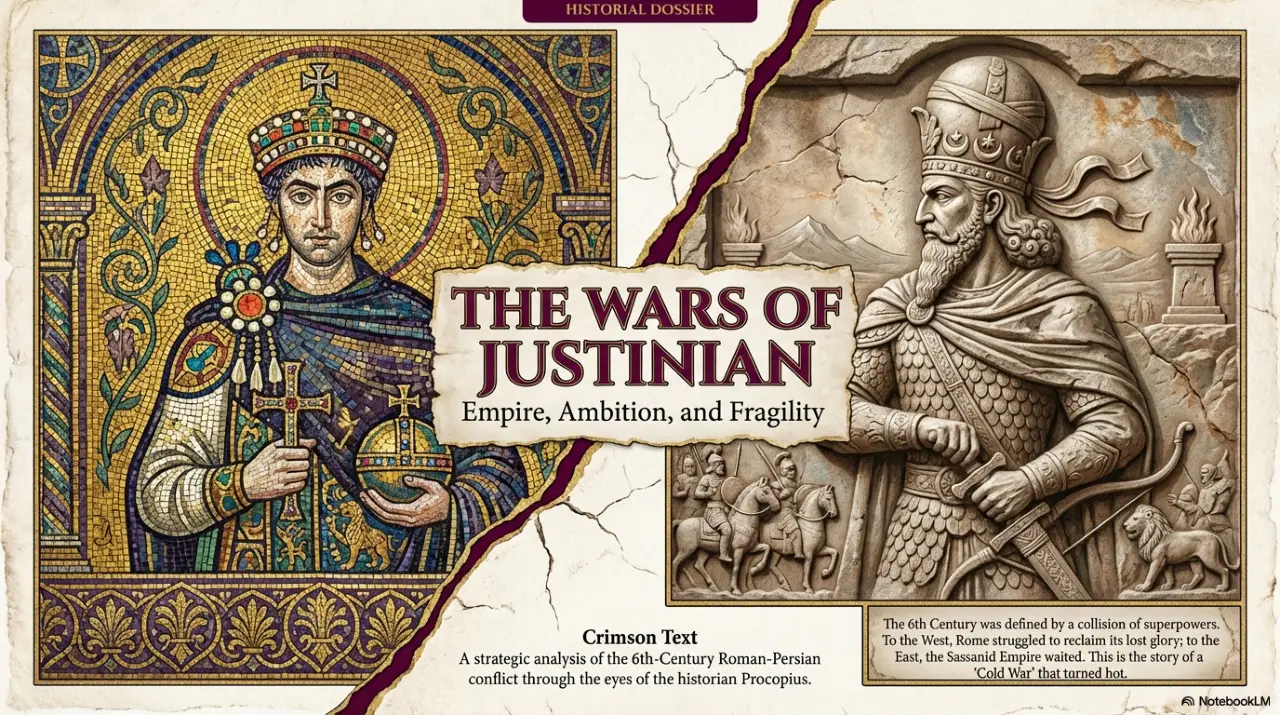 SlidesNotebookLMRome Persia and Procopius
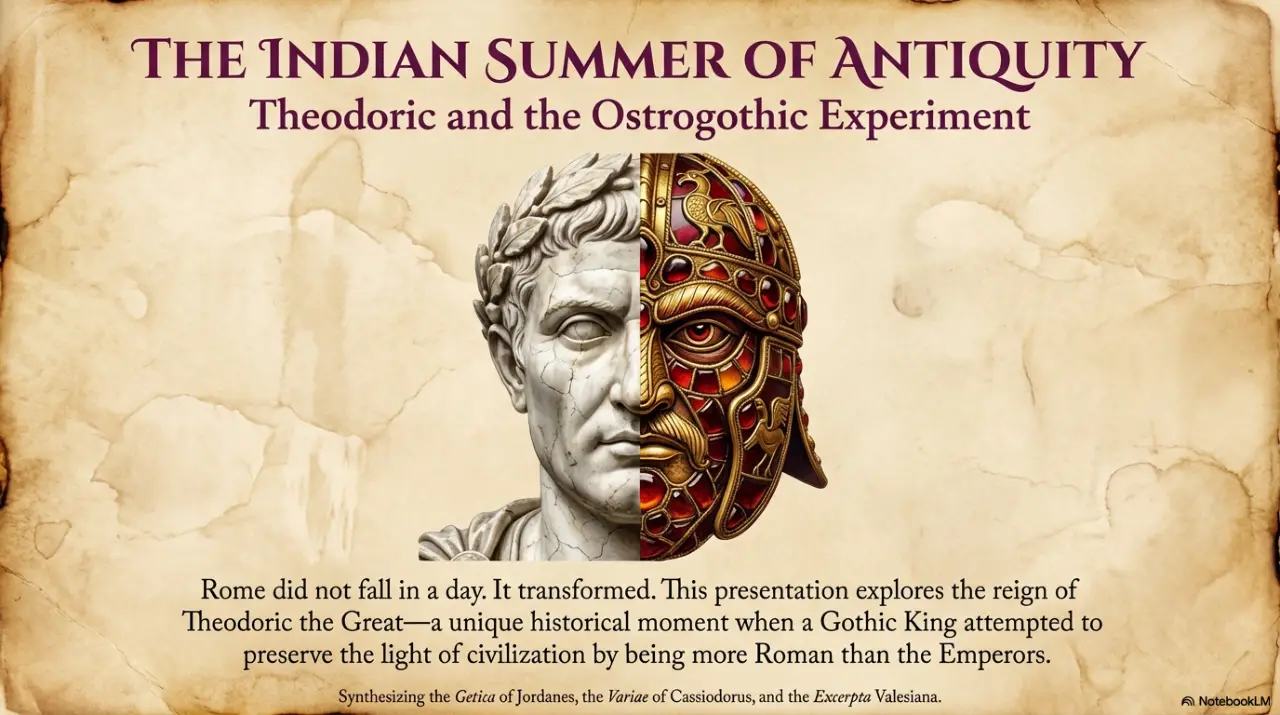 SlidesNotebookLMTheodoric The Gothic Light
 SlidesNotebookLMOrosius Mapping The Crisis
 WatchNotebookLMWindows on the Roman World
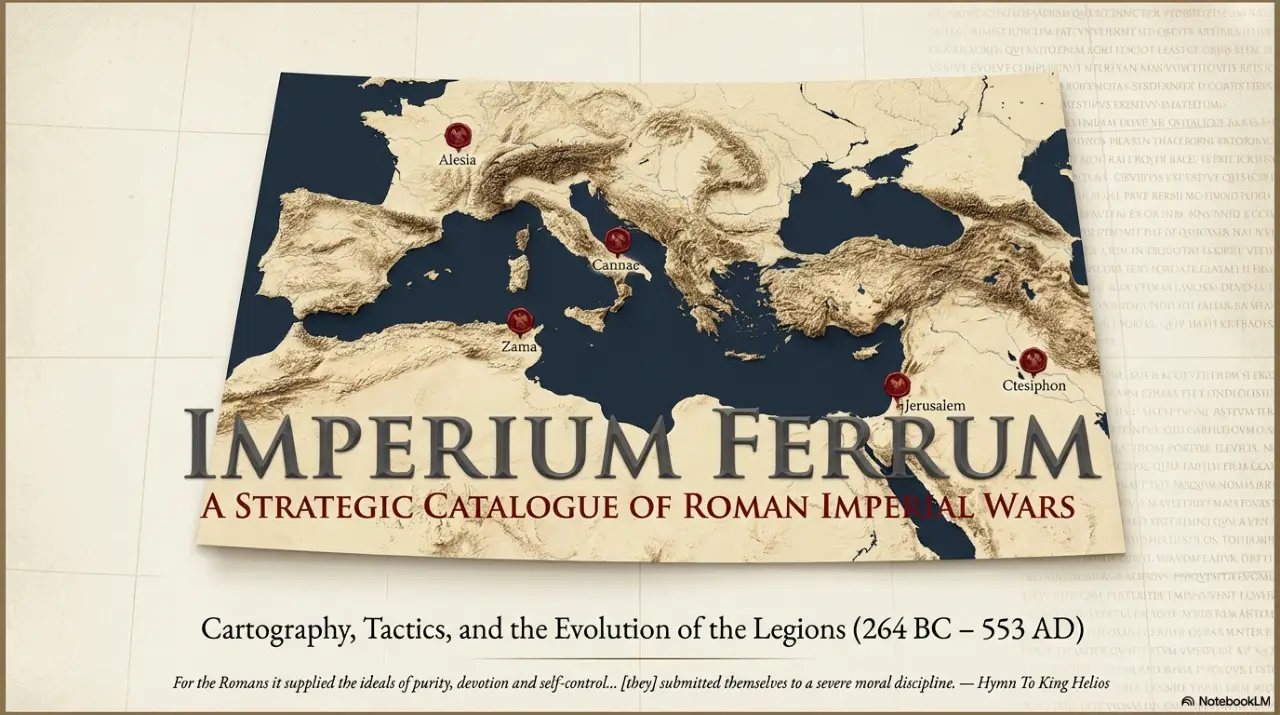 SlidesNotebookLMImperium Ferrum: A Strategic Catalogue of Rome's Wars
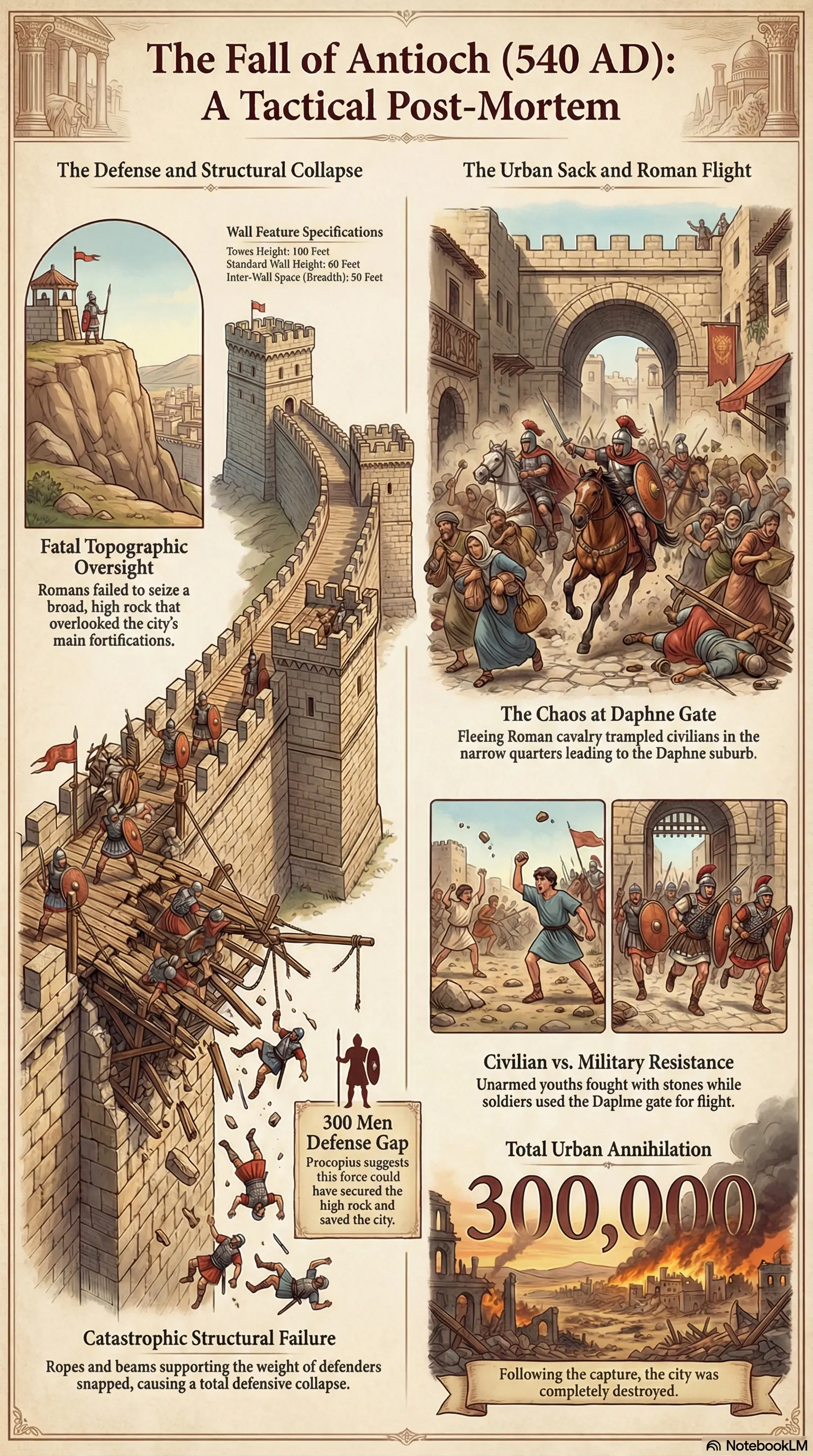 InfographicNotebookLMThe Fall of Antioch, AD 540: A Tactical Post-Mortem
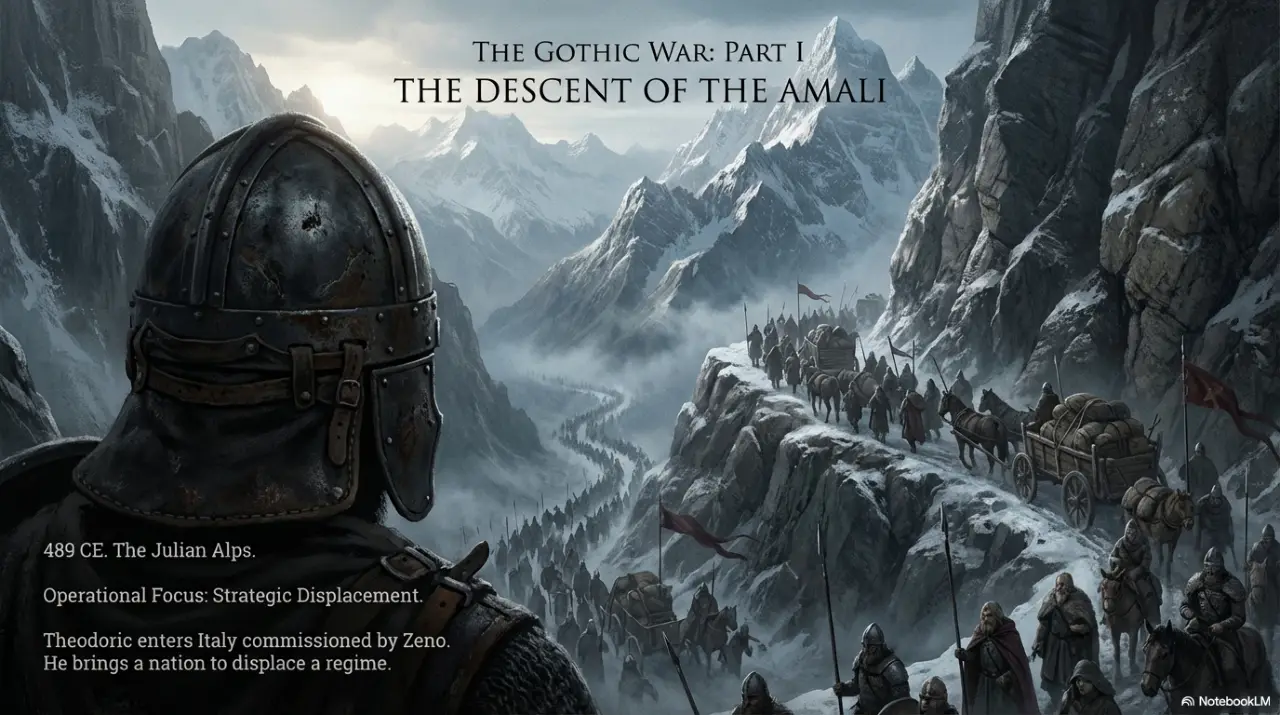 SlidesNotebookLMThe Gothic War of Theodoric, I: The Descent of the Amali
 SlidesNotebookLMThe Gothic War of Theodoric, II: The Adda, 490–493
 SlidesNotebookLMThe Battle of Verona, 489
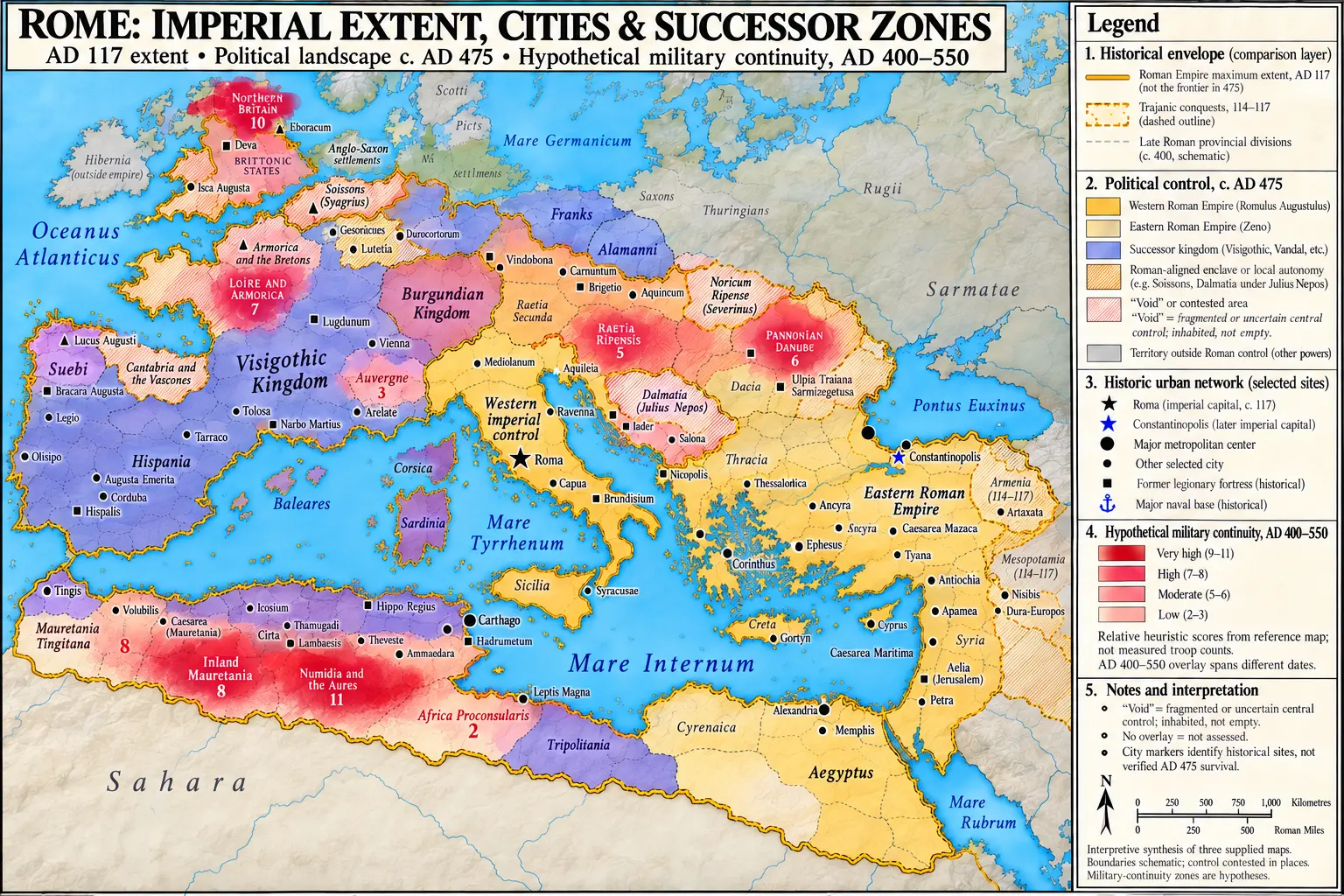 MapReconstructionRome: Imperial Extent, Cities and Successor Zones
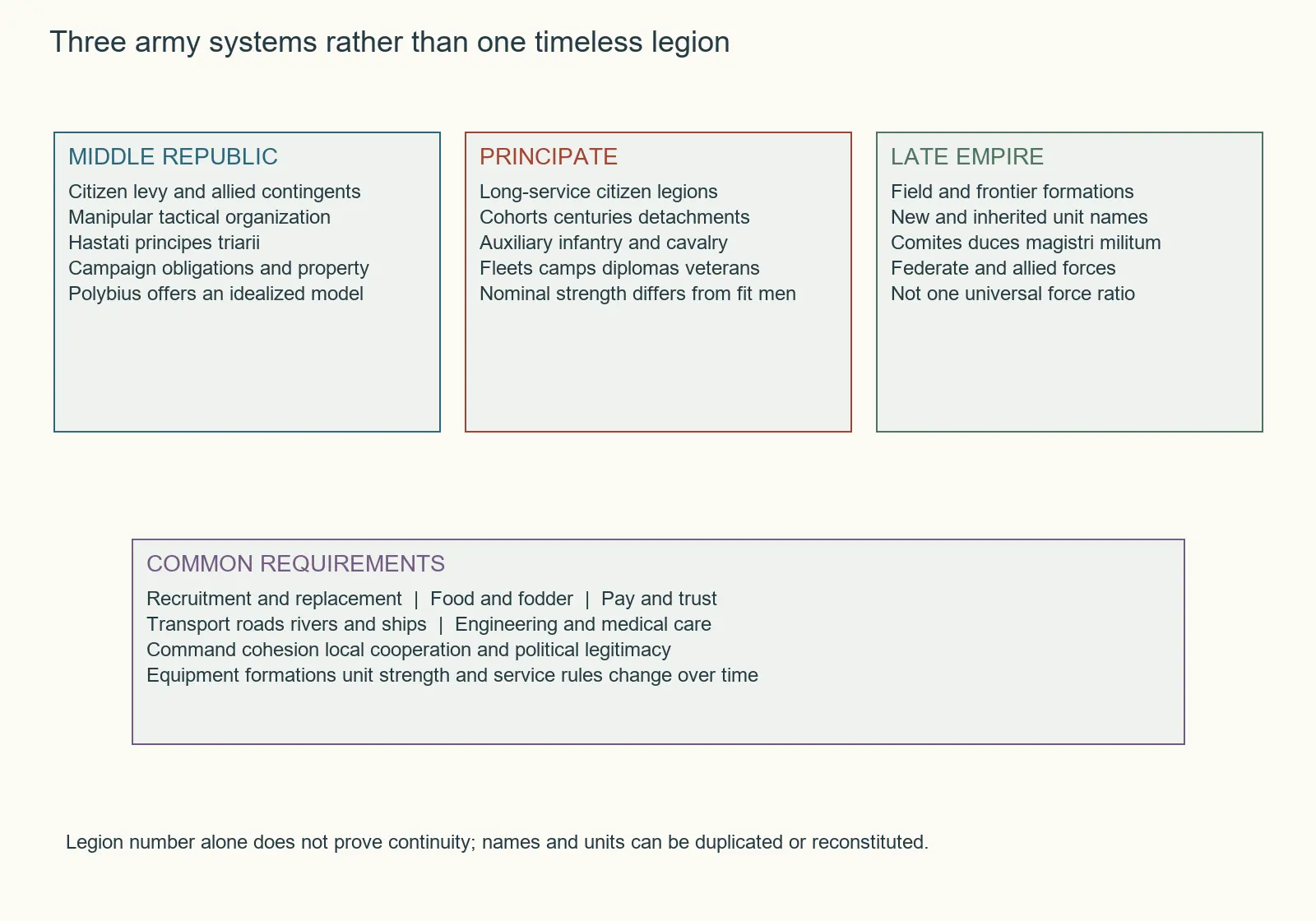 DiagramIndex ArchiveThree Army Systems, Not One Timeless Legion