Provinces · Earlier divisions, temporary arrangements, and the final ancient reorganizations
AH-23 The restored African provincial system
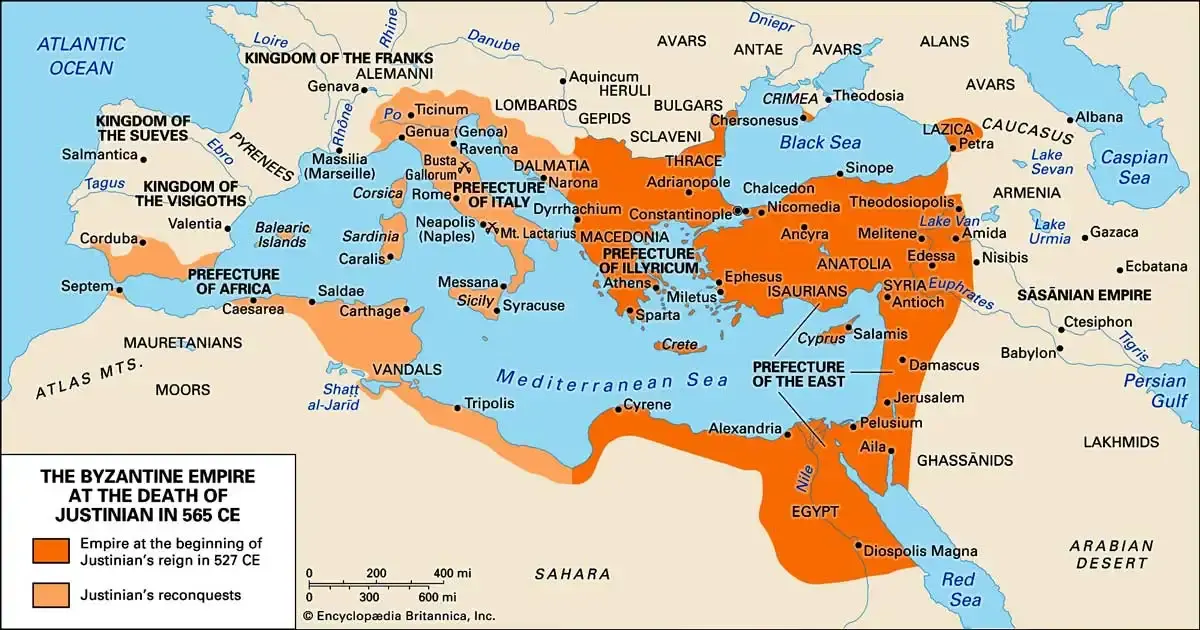
The conquest of the Vandal kingdom restored direct Roman government to important North African territories and associated islands. Imperial officials established civil provinces and military commands, reclaimed revenues, and attempted to regulate property and religious questions. The restoration reused older names and institutions but operated in a landscape changed by a century of royal government and regional political development.
Control was uneven. Carthage and coastal centres could be securely held while inland districts remained contested by local powers or affected by rebellion. Armies required supplies and payment, and fiscal demands could generate tension with communities expected to finance recovery. Military mutiny and conflicts with regional rulers complicated the project.
The later exarchal arrangement concentrated military and civil authority in response to the region’s strategic needs. It did not make every older provincial distinction disappear immediately. Africa remained a major imperial base connecting Italy, islands, and the western Mediterranean until the seventh-century conquests.
The restoration’s significance lies in its real but limited reach: it recovered a wealthy and politically important region without recreating the full maximum of earlier Roman North Africa. Individual provincial histories must therefore distinguish inherited names, formal offices, and the territory effectively controlled.