Provinces · The Alps and the Danube
RP-22 Pannonia: Superior, Inferior, and their successors
The middle Danube as a provincial world
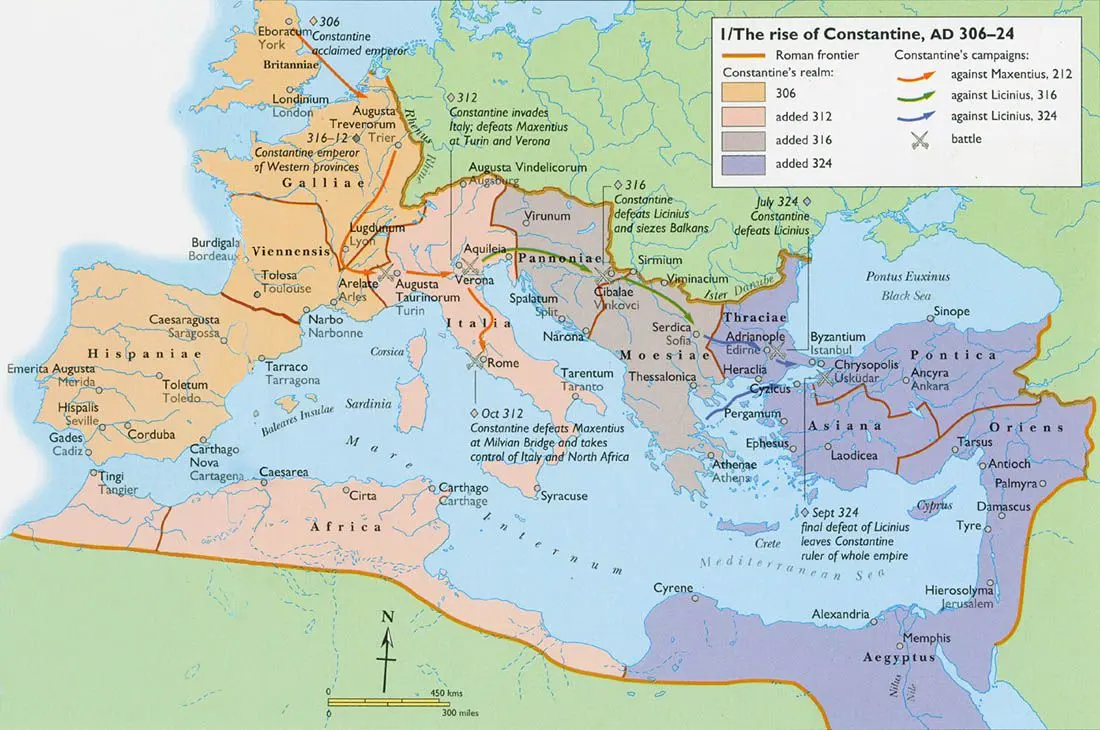
Pannonia joined the Danube frontier to the Sava and Drava basins and the approaches towards Italy. Its plains, river valleys, marshlands, and uplands supported differing patterns of farming and settlement. The province’s importance arose from its position between several strategic regions: Italy, the Balkans, the Germanic and Sarmatian worlds beyond the river, and the routes towards Dacia.
Conquest and settlement incorporated diverse communities into a military-fiscal system. Roads, camps, colonies, and civic territories developed around older landscapes. Army supply created demand, but local production and exchange were never limited entirely to the garrison. Towns linked frontier transport with inland resources and the wider imperial economy.
Pannonia Superior
The upper province contained major bases and routes facing the northwestern middle Danube. Carnuntum became a leading military and administrative centre, with a civilian town, religious institutions, markets, and a substantial hinterland. Vindobona guarded another important position, while Poetovio connected the Drava corridor and roads towards Italy. The province initially possessed a greater legionary concentration than Inferior.
Its governor held a position of considerable military weight. Such commands offered prestige but also exposed the region to imperial succession struggles. The proclamation of Septimius Severus by the Pannonian army in 193 illustrates how a frontier command could become the foundation of imperial power. Political loyalty could bring rewards, patronage, and new demands upon the province.
The Marcomannic wars affected this region deeply. Raids, campaigning, disease, disruption, and military concentration strained communities. Recovery involved rebuilding and re-establishing supplies as well as battlefield success. Carnuntum later hosted the imperial conference of 308, demonstrating the region’s continuing political significance.
Pannonia Inferior
The lower province centred initially on Aquincum and the more easterly Danubian sector. The settlement combined a legionary base with a civilian town and related communities. Its river position connected frontier defence to inland roads and the movement of supplies. Mursa and other towns organized additional productive and communications districts.
Relations with Sarmatian groups beyond the river involved war, diplomacy, trade, and recruitment. The province therefore faced a different frontier environment from the upper province’s Germanic-facing sectors. Later boundary changes increased its military resources and altered the balance between the two Pannonian commands.
The distinction between Superior and Inferior was a practical division of a large military jurisdiction, not a permanent separation between two wholly different societies. Officials, merchants, soldiers, goods, and families continued to move across their boundaries.
Sirmium, religion, and the late provinces
Sirmium grew into one of the major imperial centres of the Balkans. Its proximity to the Sava and its access to routes between Italy and the East made it useful to emperors and armies. Court activity, administrative institutions, and military demand increased its political importance. Christian councils and doctrinal disputes later added another dimension to its influence.
Religious life across Pannonia included local cults, Roman civic gods, imperial observance, and practices transmitted by the army. Christianity developed unevenly through urban networks. Towns and rural communities experienced the Christian transformation alongside changes in military organization and taxation.
Late Pannonia Prima, Secunda, Savia, and Valeria redistributed the older provinces. The fifth century brought Hunnic dominance, imperial negotiations, and later successor powers. Roman control weakened unevenly, with particular cities and routes retaining importance under changing rulers. The province’s legacy survived through settlement, Christian institutions, and the strategic value of the middle Danube long after its earlier legionary system had broken apart.
Settlement geography
| Ancient place | Modern location |
|---|---|
| Carnuntum | Petronell-Carnuntum, Austria |
| Vindobona | Vienna, Austria |
| Brigetio | Szőny, Hungary |
| Savaria | Szombathely, Hungary |
| Scarbantia | Sopron, Hungary |
| Poetovio | Ptuj, Slovenia |
| Emona | Ljubljana, Slovenia |
| Siscia | Sisak, Croatia |
| Aquincum | Budapest, Hungary |
| Sirmium | Sremska Mitrovica, Serbia |
| Mursa | Osijek, Croatia |
| Sopianae | Pécs, Hungary |