Figures · Reform rivalry and the Republic in civil war
RF-023 Quintus Sertorius
Life and career
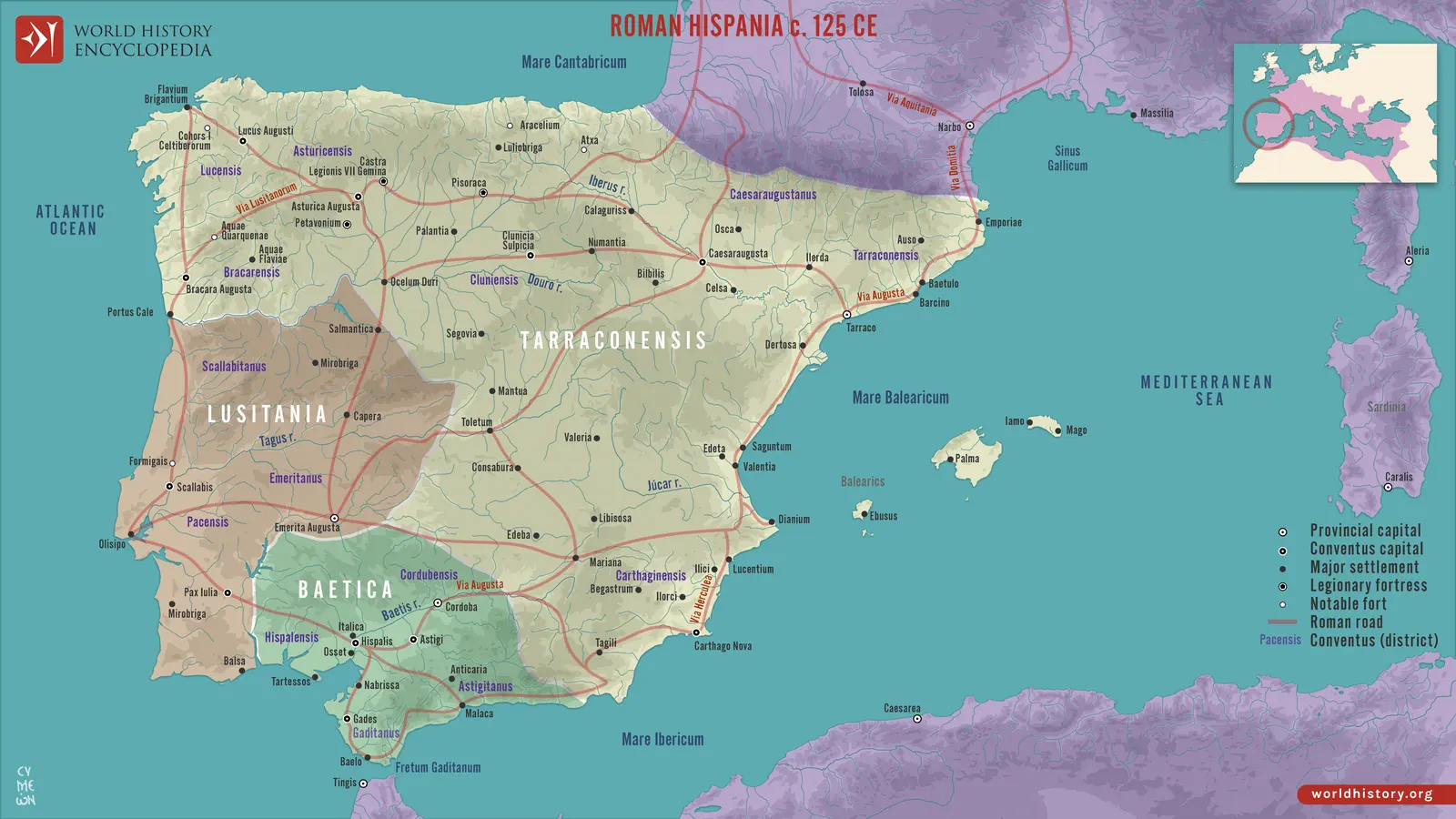
Sertorius's experience in Roman warfare and his association with opponents of the Sullan order gave the Iberian conflict a civil-war dimension. Local communities did not all share one agenda: some sought protection, some advantageous terms, and others resistance to Roman demands. The coalition had to operate through these differences while facing armies with superior access to Italian political legitimacy.
Sertorius built a durable resistance in Iberia by combining Roman military experience with local alliances. His forces exploited mobility, intelligence, and difficult terrain against armies sent from Italy. He also cultivated Roman political legitimacy, rather than simply rejecting Rome as a civilization. Conflict within his coalition ended in his murder by fellow Roman officers. His career offers a case study of an alternative Roman command network sustained outside the capital.
Leadership and historical significance
He used local terrain and mobile forces while retaining Roman forms of command and elite organization. Education of local aristocratic sons could serve diplomacy, integration, and leverage at once. His reputation for tactical ingenuity depended on sustaining confidence among both Roman associates and Iberian followers. Assassination from within the coalition exposes the limits of charisma when personal rivalry and mistrust outgrow military success.
Landmarks
- 80 BCE — return to Iberian command.
- 76–75 BCE — major campaigns against Pompey and Metellus.
- 72 BCE — assassination.
Historical uncertainty
The white doe and the school at Osca serve literary arguments about charisma and control. They should not be mistaken for evidence of a unified Iberian national movement.
Connected dossiers: Lucius Cornelius Sulla, Gnaeus Pompeius Magnus, Mithridates VI Eupator.