Figures · Reform rivalry and the Republic in civil war
RF-025 Mithridates VI Eupator
Life and career
His kingdom linked Anatolian, Iranian, Greek, and Black Sea political traditions. Dynastic relationships, local elites, cities, mercenaries, and maritime resources supplied different foundations of power. Alliance with Tigranes of Armenia widened his strategic options while creating another center of decision-making that Roman armies could attack.
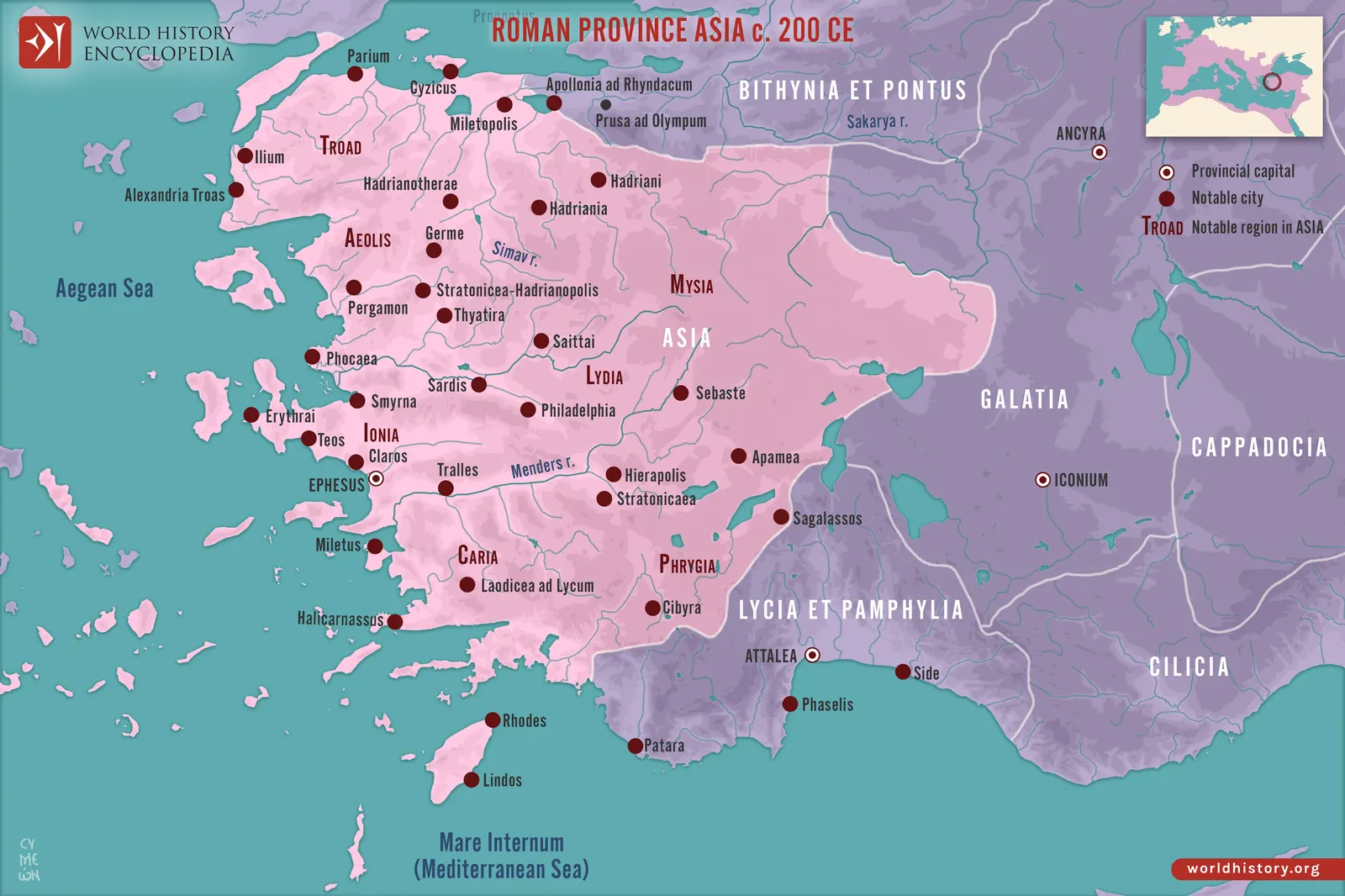
Mithridates assembled a Black Sea monarchy and repeatedly contested Roman predominance in Asia Minor. His occupation of the province of Asia and the mass killing of Romans and Italians transformed rivalry into a prolonged series of wars. Despite defeats by Sulla, Lucullus, and Pompey, he repeatedly rebuilt his position through regional alliances and royal resources. His final collapse came amid rebellion within his own dynasty in the northern Black Sea region.
Leadership and historical significance
He repeatedly sought to present himself as the protector or liberator of communities suffering under Roman financial and political demands. Massacre and coercion also formed part of his rule, so anti-Roman propaganda should not become an uncomplicated portrait of emancipation. His ability to survive defeats depended on distance and renewed alliances; his eventual fall showed that the court and succession could be more dangerous than a battlefield. The dossier exemplifies the difference between repeated operational recovery and a durable strategic settlement.
Landmarks
- 88 BCE — expansion into Roman Asia and massacres.
- 85 BCE — settlement with Sulla.
- 63 BCE — death after dynastic revolt.
Historical uncertainty
Large victim totals and dramatic stories of poison require caution. The familiar portrayal of a single lifelong anti-Roman crusade can conceal changes in his objectives and alliances.
Connected dossiers: Lucius Cornelius Sulla, Lucius Licinius Lucullus, Gnaeus Pompeius Magnus.