Figures · The Augustan settlement and the Julio Claudian world
RF-047 Publius Quinctilius Varus
Life and career
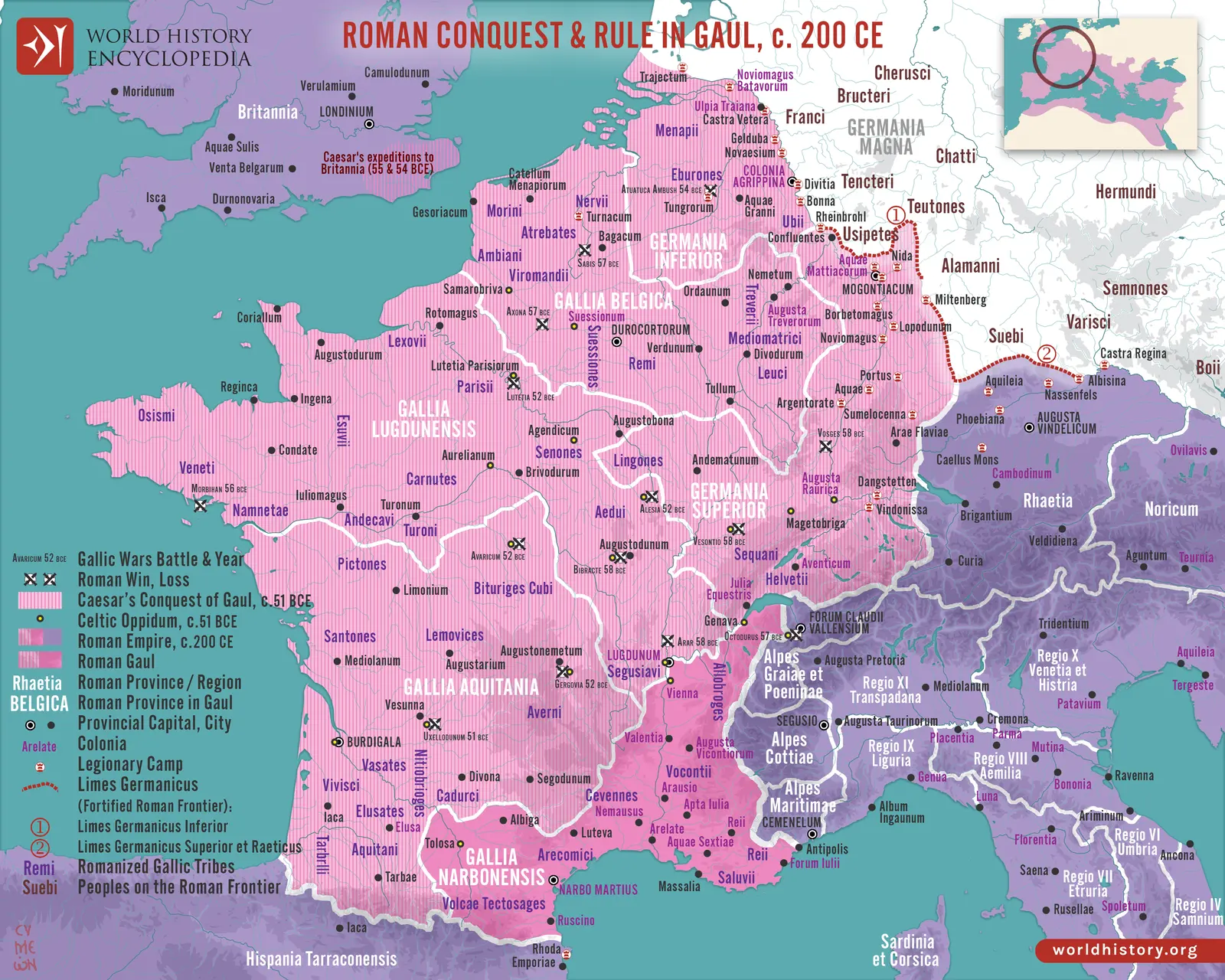
Varus had substantial administrative experience before his final command in Germany. His earlier service in Syria involved the management of unrest and the application of Roman coercive power, making him more than an inexperienced civilian suddenly handed an army. In 9 CE, a coalition associated with Arminius attacked his forces during movement through difficult terrain. The destruction of three legions and Varus's suicide became a major symbol of the limits of Augustan expansion.
Leadership and historical significance
The event exposed vulnerability in intelligence, trust, march organization, and the assumption that Rome's local relationships were secure. Subsequent Roman campaigns recovered some prestige and standards without establishing the permanent province once envisaged. His dossier should distinguish an operational catastrophe from the later claim that one battle permanently fixed all future European history.
Landmarks
- 13 BCE — consulship.
- 6–4 BCE — Syrian governorship and crisis management.
- 9 CE — destruction of his army.
Historical uncertainty
The exact reconstruction of movement and fighting remains debated despite important archaeological evidence near Kalkriese. Hostile character judgments are not a substitute for operational analysis.
Connected dossiers: Arminius, Augustus, Germanicus, Tiberius.