Figures · The Severans and the struggle to preserve the empire
RF-083 Gallienus
Life and career
Shared rule initially placed him amid the western and northern problems of the empire. After 260 he had to preserve a central government while accepting, contesting, or failing to reverse other centers of authority. Changes in the availability and organization of troops made rapid concentration important, but mobile forces developed over time rather than appearing fully formed in one moment.
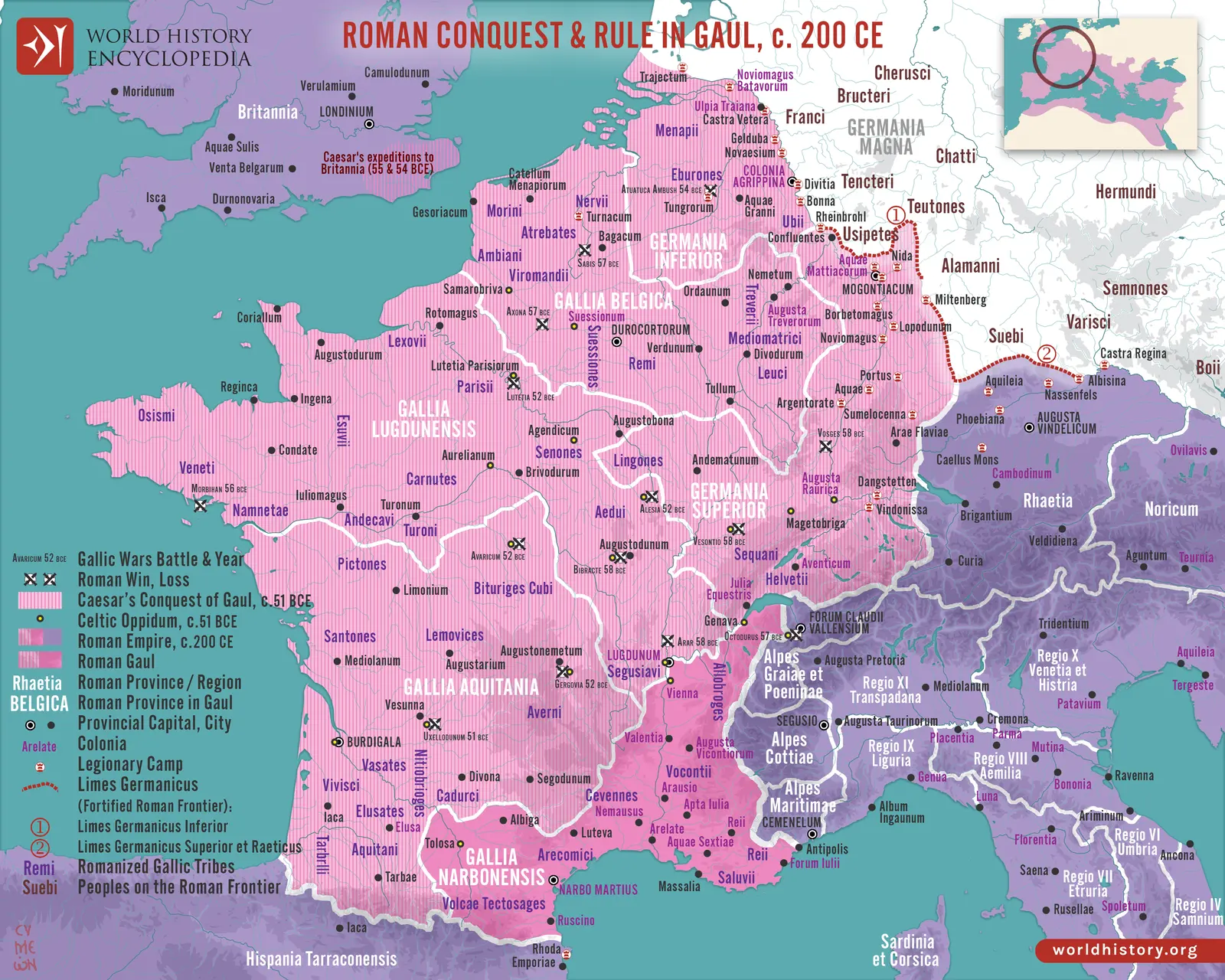
Gallienus faced invasions, rival claimants, and the fragmentation of effective imperial control after Valerian's capture. The emergence of the Gallic regime and Palmyrene military leadership complicated the idea of one emperor directing a unified frontier response. Changes in command patterns and mobile forces are associated with his reign, while his court also supported intellectual and artistic life. His assassination during the operations against Aureolus ended a long and embattled rule.
Leadership and historical significance
His reign can be assessed through survival under simultaneous emergencies as well as through territorial loss. Philosophical patronage and the visual language of renewal complicate a portrait of mere collapse. Hostile narratives could attribute the achievements of regional commanders to their initiative while reserving disasters for the central emperor. His assassination produced another succession whose legitimacy depended on presenting recovery as a break with the immediate past.
Landmarks
- 260 CE — Valerian's capture and intensified fragmentation.
- 260s CE — repeated campaigns and usurpations.
- 268 CE — assassination near Milan.
Historical uncertainty
Hostile senatorial narratives can turn strategic overload into personal indolence. Do not assume a single documented decree excluded all senators from every military role.